How does a clay-tempered T10 old katana differ from a standard carbon steel katana?
Updated Feb 2026
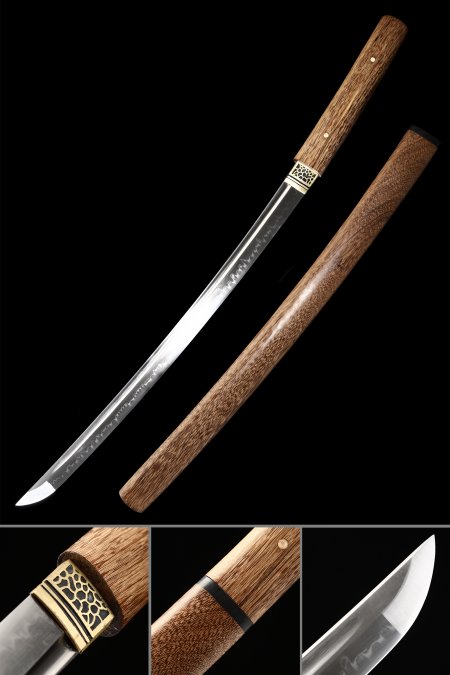
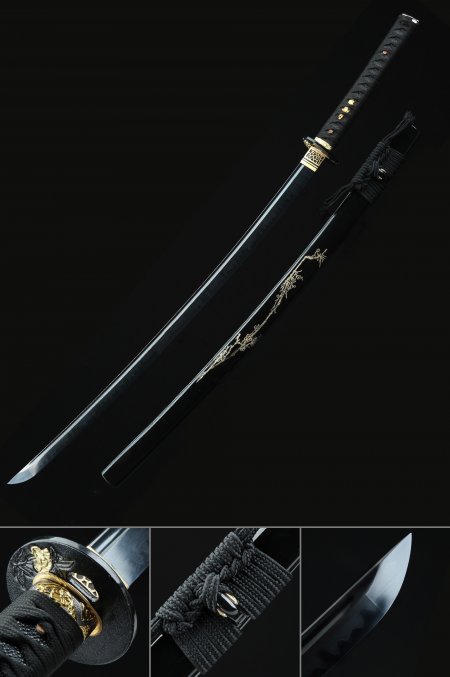
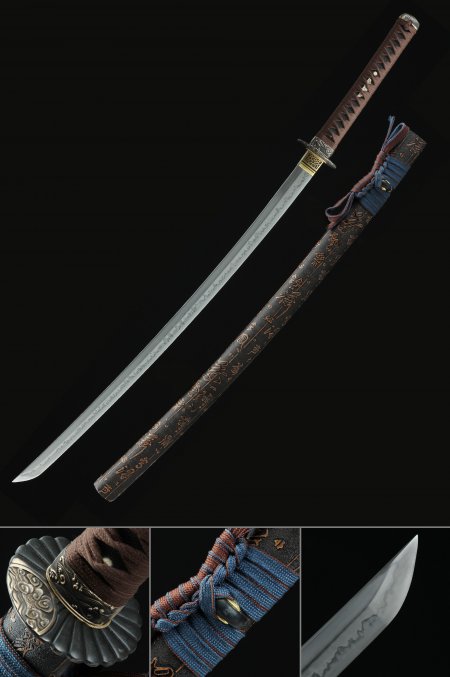
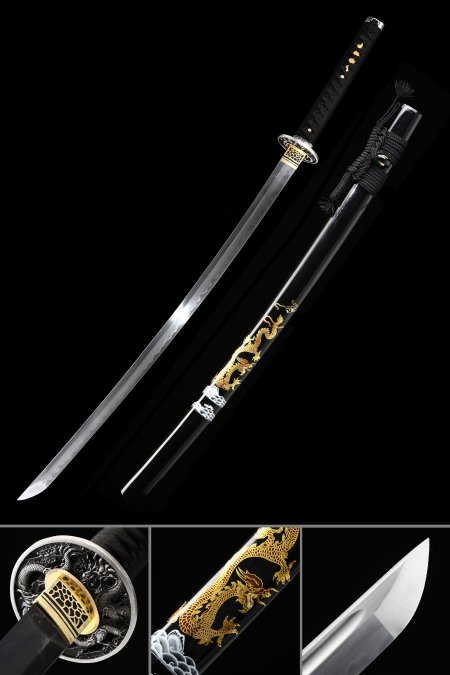
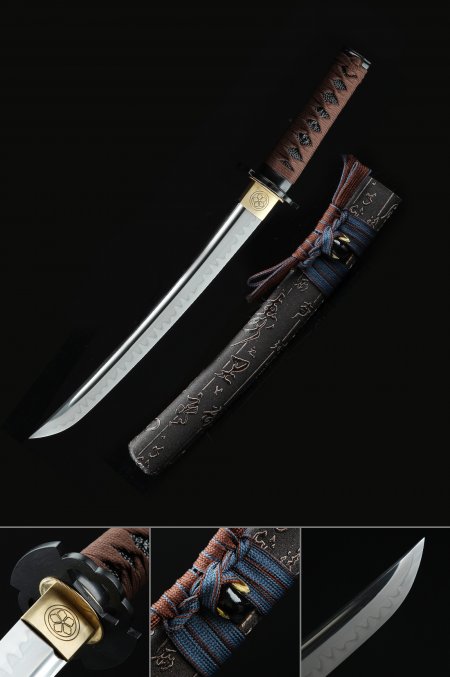
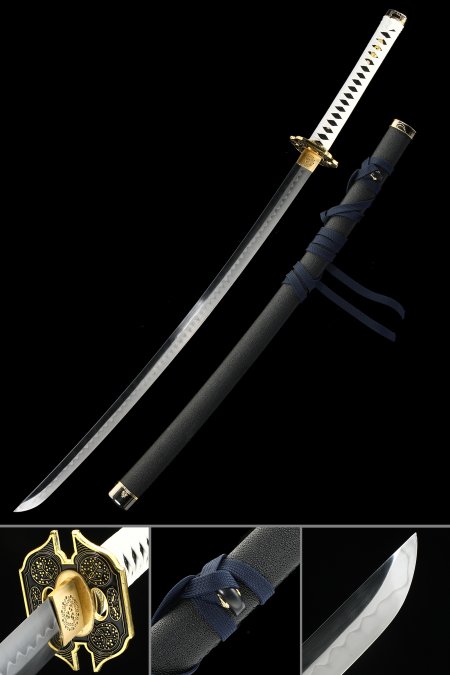
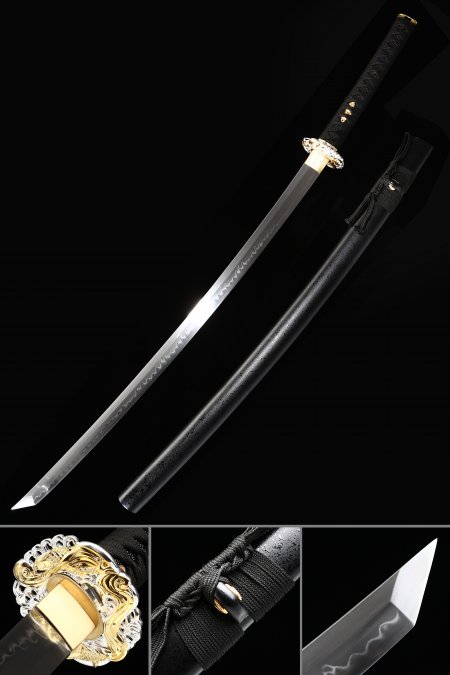
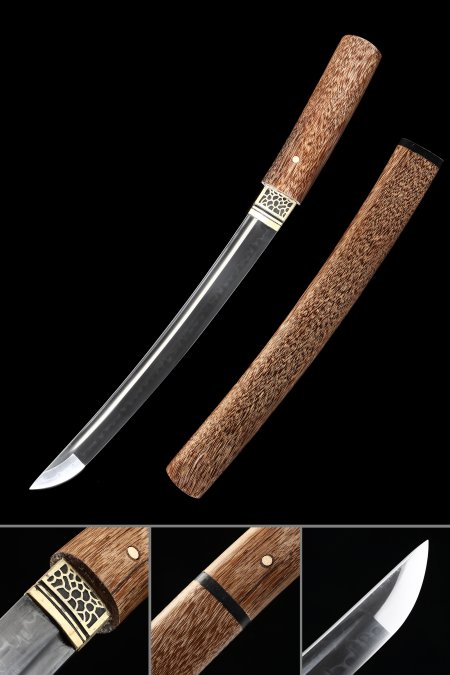
A clay-tempered T10 old katana and a standard 1045 carbon steel katana share the same fundamental form and full-tang construction, but differ significantly in the quality and character of the blade material and its visual result. A standard 1045 carbon steel katana is a reliable and well-constructed blade that delivers consistent quality at an accessible price, but its blade surface is typically uniform and does not show a distinctive hamon. A T10 clay-tempered old katana undergoes the traditional differential heat treatment process - clay applied to the spine before quenching creates differential hardness between edge and spine - that produces the hamon: the wave-patterned temper line visible along the blade edge from kissaki to habaki. On a T10 blade in a natural wood or black-scabbard old katana configuration, the hamon is the defining visual element of the entire piece. The hamon's clarity, the complexity of activity within it, and its overall visual character are the primary criteria by which serious Japanese sword collectors evaluate blade quality, and T10 steel is the grade most capable of producing a well-defined and visually impressive hamon.