What is the historical connection between gold fittings and the samurai sword tradition?
Updated Feb 2026
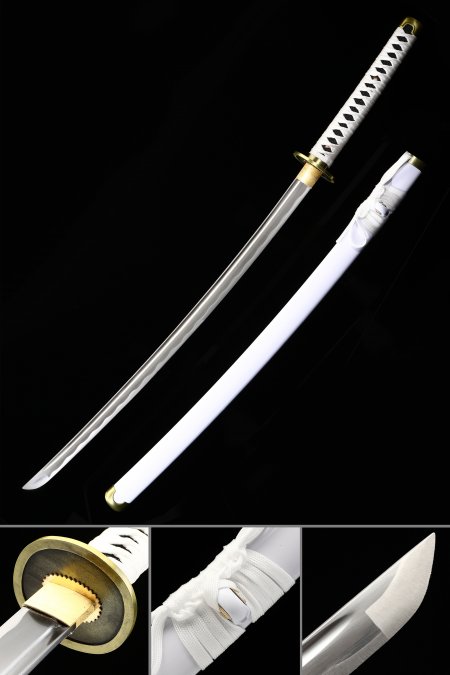
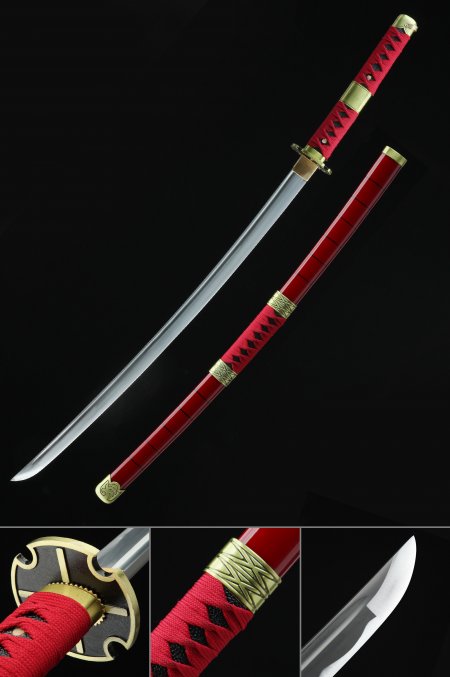
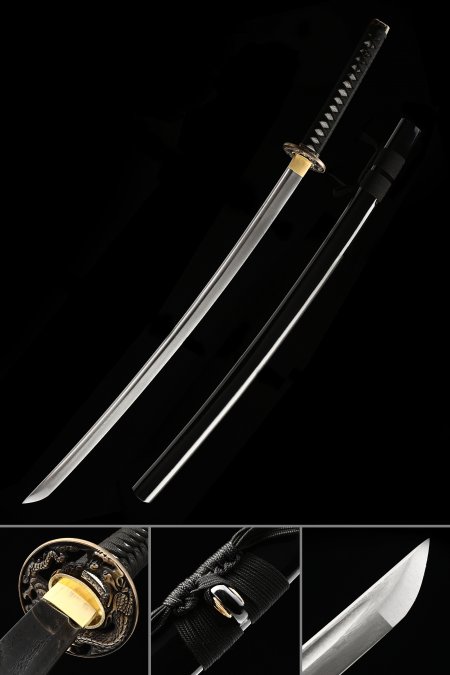
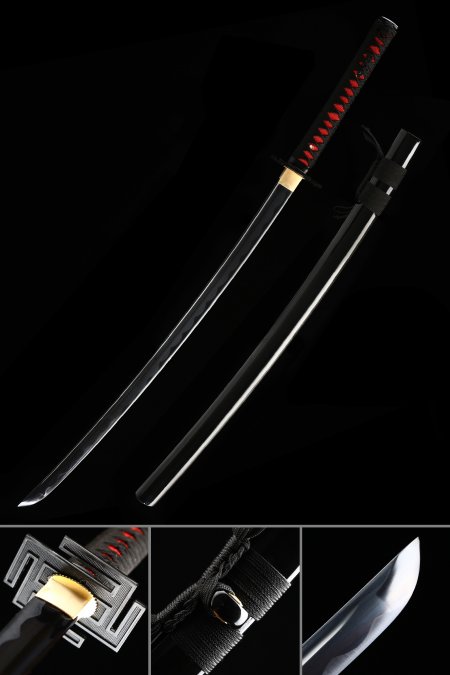
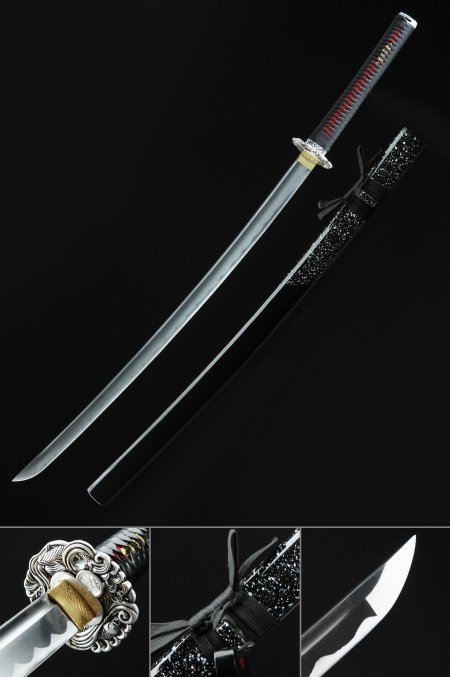
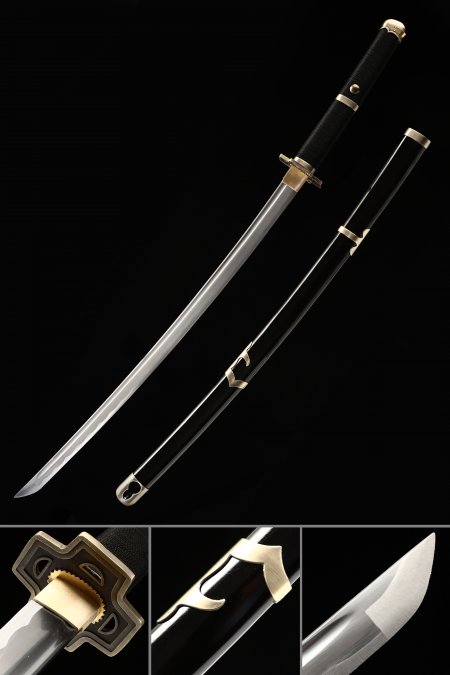
Gold fittings have been associated with the most prestigious Japanese samurai swords throughout the history of Japanese sword-making culture. In the Japanese sword tradition, a katana's fittings - the tsuba guard, menuki ornaments, fuchi and kashira collar pieces, and habaki blade collar - were understood as expressions of the sword owner's status, taste, and wealth that were separate from but complementary to the blade's steel quality. The finest historical Japanese swords, including those associated with the greatest daimyo and the most senior samurai, often featured gold-inlaid or gold-worked tsuba guards with exquisite openwork designs, gold menuki ornaments with decorative motifs of particular significance to the owner's family or status, and gold-finished habaki collars. These gold fittings were the work of specialized fitting craftsmen who were as technically accomplished in their medium as the swordsmiths were in theirs. A gold samurai katana collectible references this tradition by incorporating the warm, luminous gold aesthetic that historically distinguished the most prestigious blades in the Japanese sword canon.