What makes each Damascus wakizashi blade pattern unique?
Updated Feb 2026
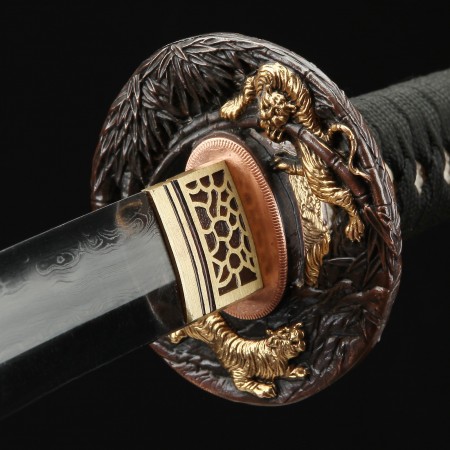
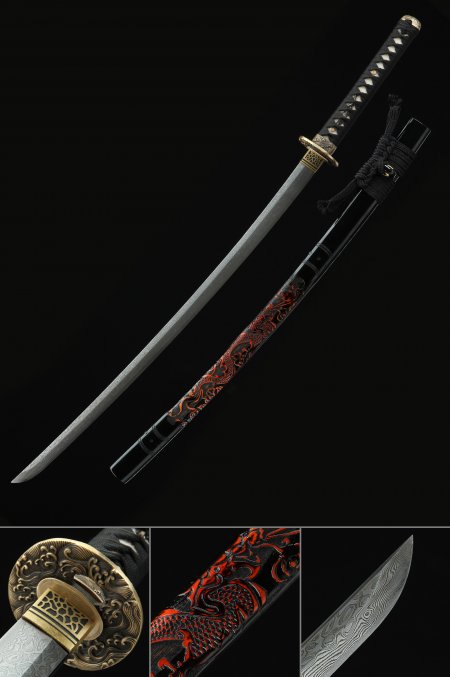
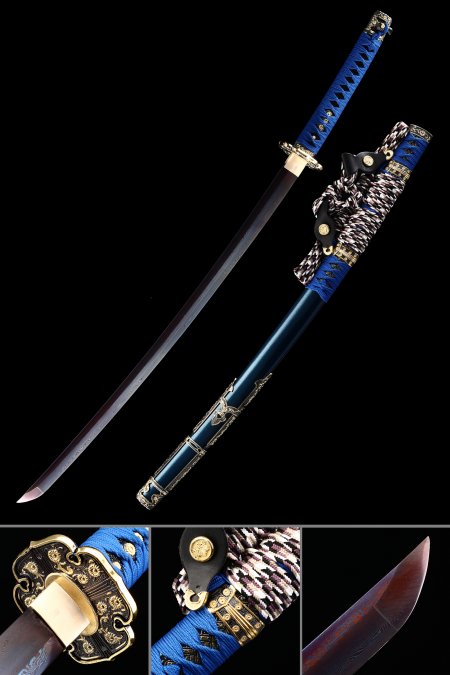
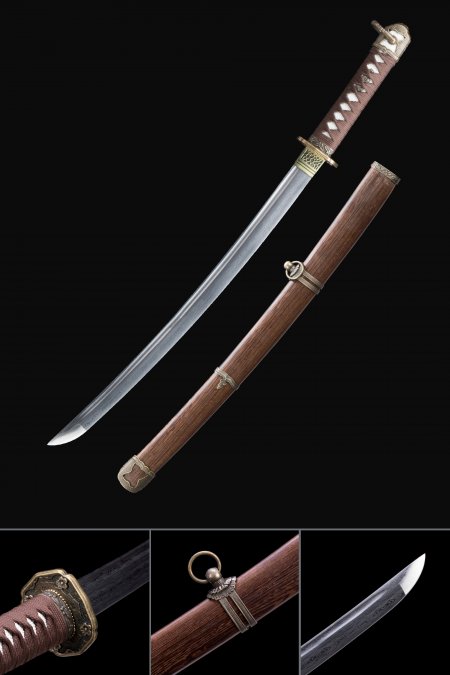
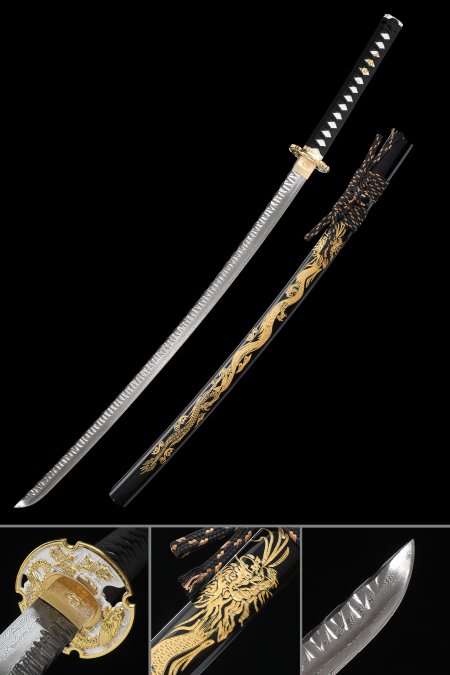
Each Damascus wakizashi blade pattern is unique because the fold-forging process that creates Damascus steel involves manually manipulating layers of steel that flow and move differently in every individual blade, producing pattern variations that cannot be exactly replicated. Damascus steel is created by repeatedly folding and forge-welding layers of high-carbon steel, which creates a multi-layered structure visible after the blade is etched with acid that reveals the different layers as contrasting light and dark bands. The specific pattern that emerges depends on how the layers were folded, twisted, and drawn out during the forging process - variations in how the smith manipulates the steel produce radically different pattern types ranging from smooth flowing water patterns to tight ladder patterns to random cloud-like distributions. Even two blades made by the same smith from the same steel stock will show different pattern characters because of the inherent unpredictability in how the steel moves during forging. This means that each Damascus wakizashi in the collection is genuinely individual, and the specific pattern visible on a displayed wakizashi cannot be exactly duplicated in any other piece.