What classical visual configurations define original Japanese katana aesthetics?
Updated Feb 2026
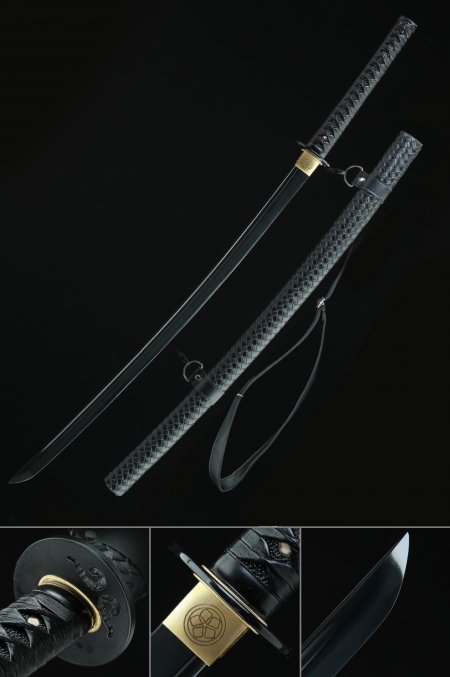
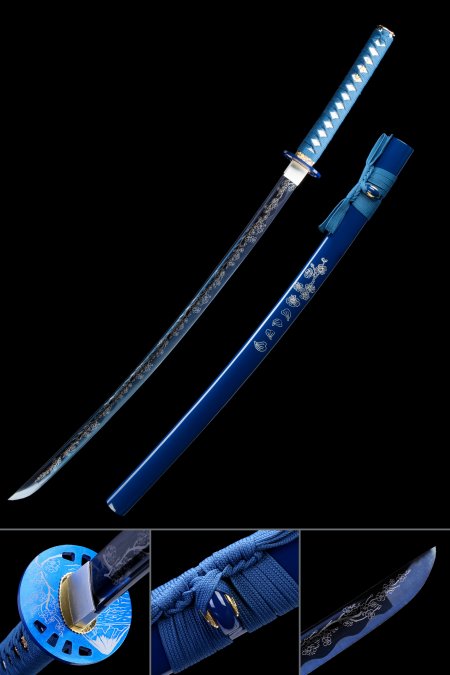
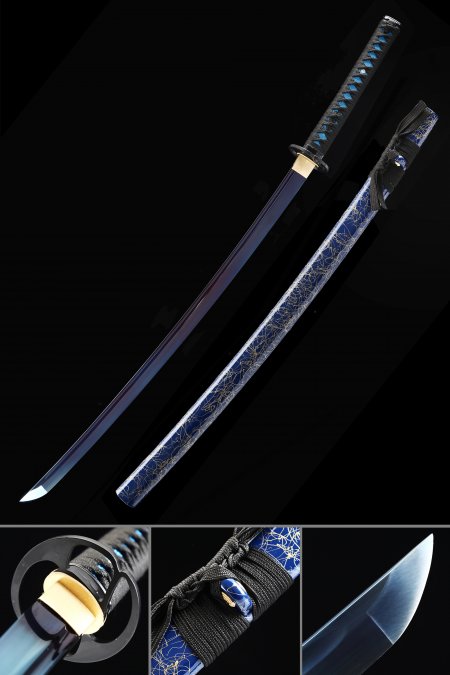
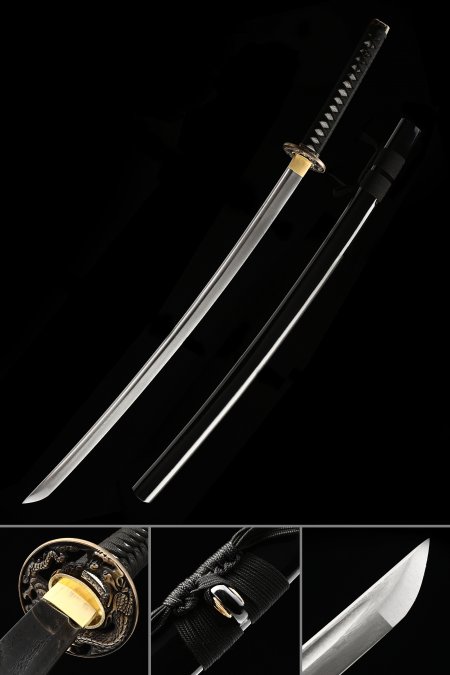
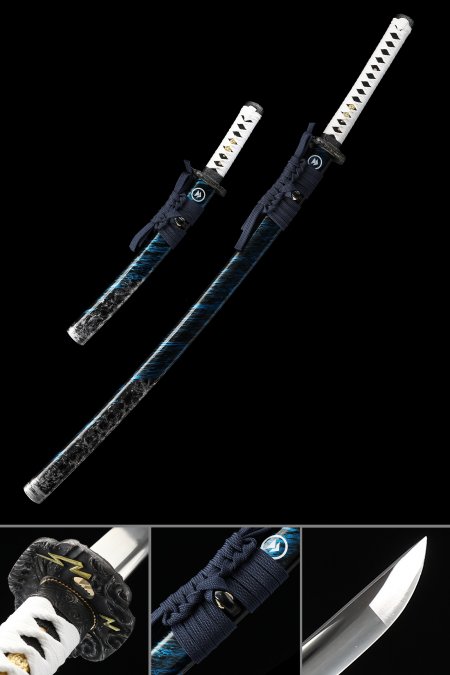
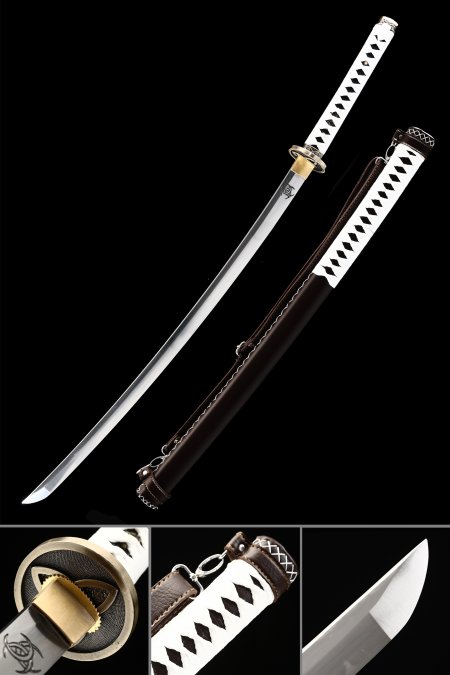
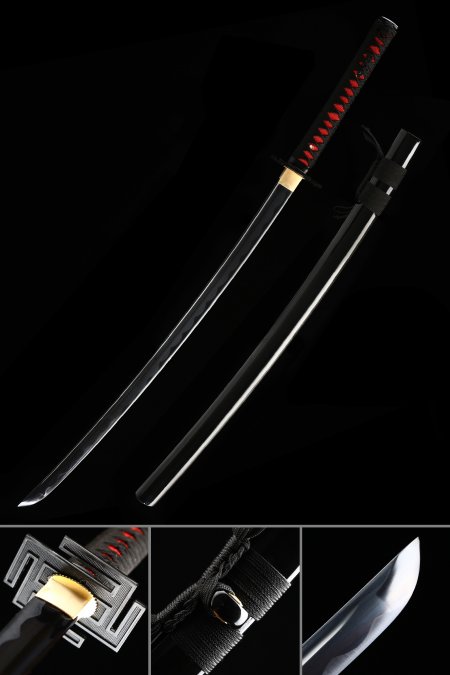
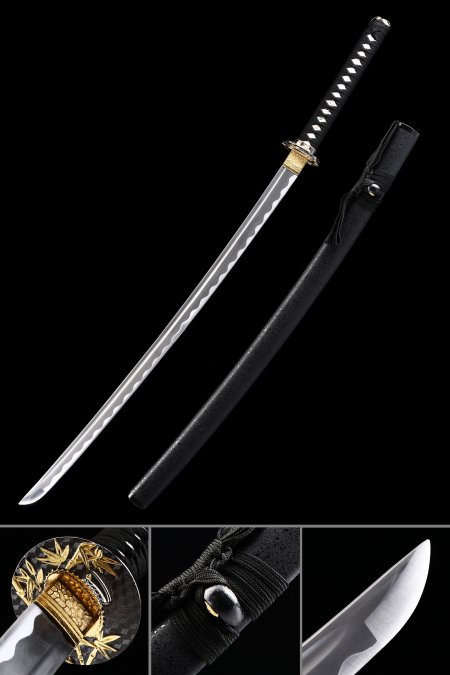
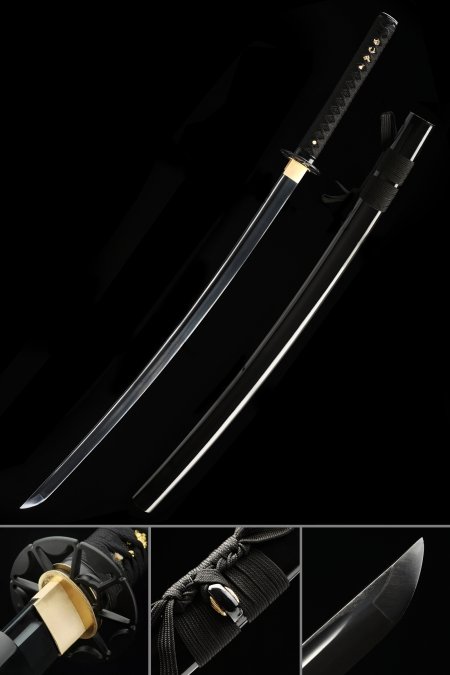
Classical visual configurations in original Japanese katana are defined by the traditional presentation standards of the Japanese sword as it was made and displayed by the samurai class. The most classical presentation is the black-scabbard katana: black lacquered wooden scabbard, black or dark-color ito handle wrapping, iron or dark metal tsuba guard in a simple geometric or naturalistic design, and a metallic-silver carbon steel blade. This configuration has been the most consistently represented katana aesthetic across the full history of Japanese sword production and remains the reference visual against which all other configurations are compared. Natural wood grain scabbard configurations - typically in brown or natural-wood tones rather than lacquered black - represent a second classical aesthetic associated with everyday practical wear rather than formal presentation. Dark brown or deep earth-tone scabbard configurations with natural metal fittings provide a third classical variant. These classical configurations are distinguished from specialty configurations by their absence of vivid color blade treatments, anime themes, or decorative customizations, presenting the original Japanese katana in its most historically grounded visual form.