How do I identify whether a katana is a genuine metal katana versus an alloy or stainless replica?
Updated Feb 2026
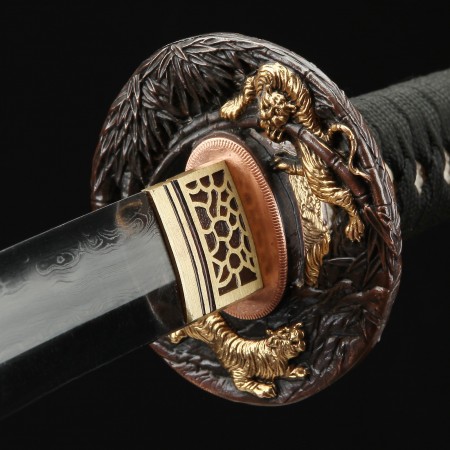
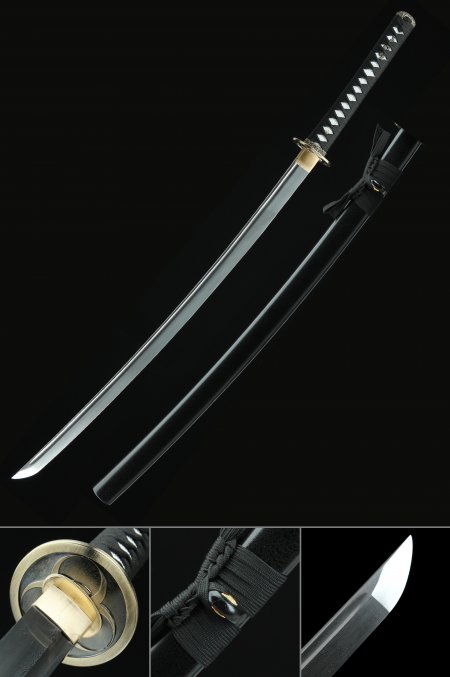
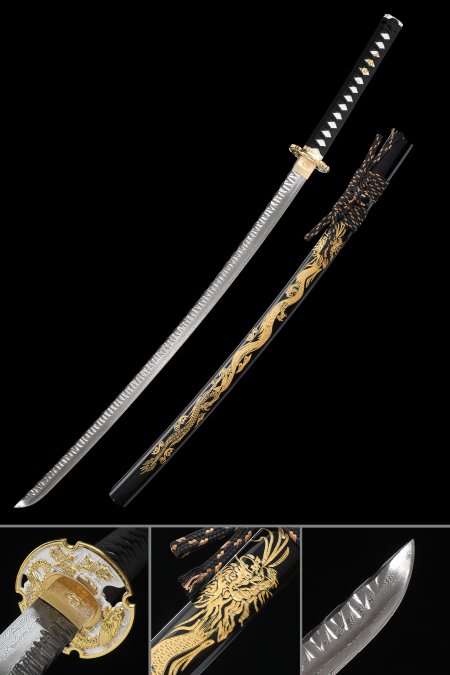
Identifying a genuine metal katana from an alloy or stainless steel replica requires attention to several specific indicators. Material specification is the first indicator: look for explicit high-carbon steel grades - 1045, 1060, 1065, T10, or Damascus steel - in the product description. General terms like 'stainless steel', 'high chrome steel', or unspecified 'alloy' indicate materials that cannot be properly heat treated. Construction specification is the second indicator: genuine metal katana are built with full-tang construction, meaning the blade steel runs through the complete handle body rather than ending just inside the handle entrance. Mekugi retention pins - small bamboo or metal pins visible through the handle sides - confirm full-tang construction. Weight is the third practical indicator: a genuine high-carbon steel katana of standard length will typically weigh between 900 grams and 1.2 kilograms with scabbard; lightweight pieces below 600 grams are almost certainly alloy or stainless. Heat treatment evidence - the hamon on a T10 clay-tempered piece, the Damascus fold pattern on a Damascus piece - confirms the steel has been through proper processing.