What is the traditional role of the wakizashi as a samurai companion blade?
Updated Feb 2026
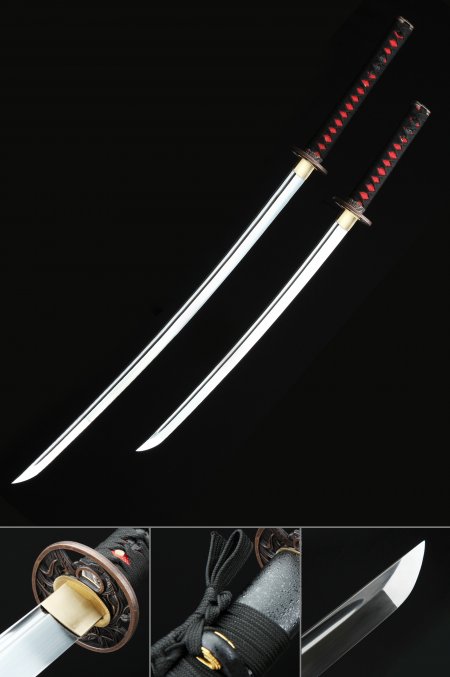
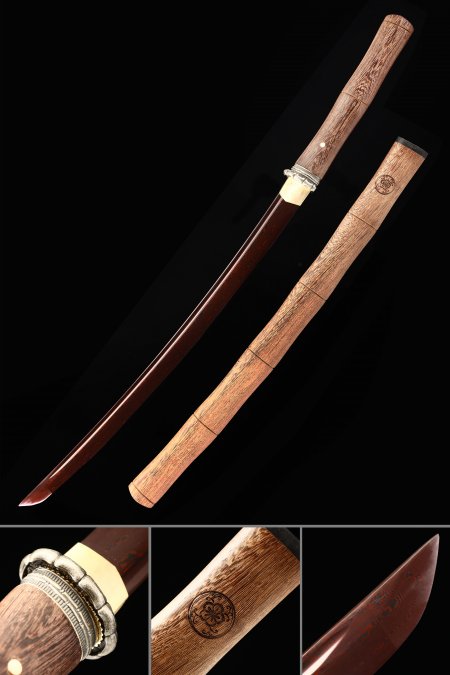
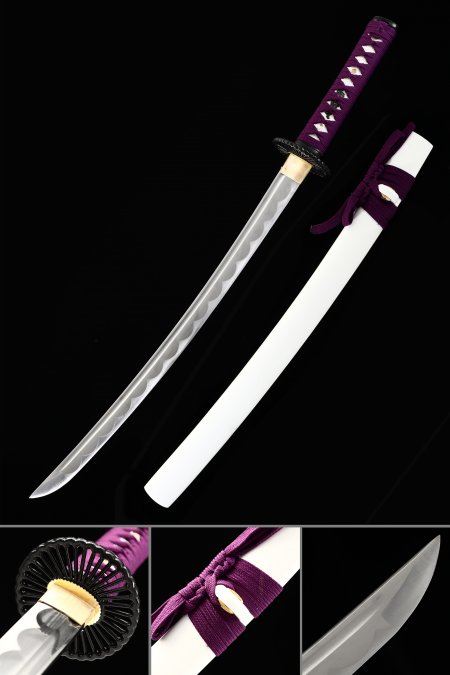
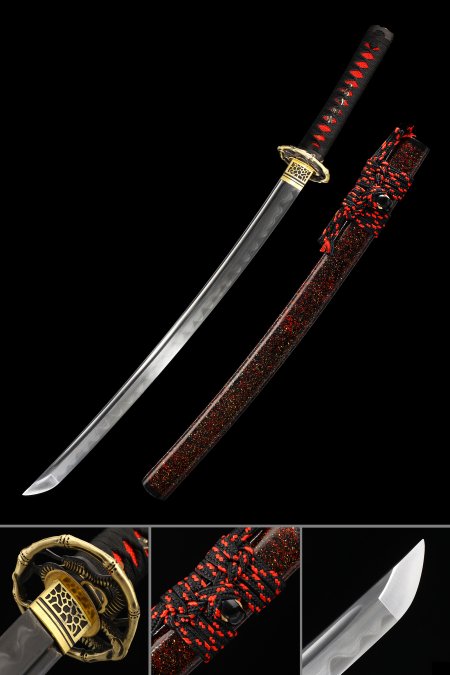
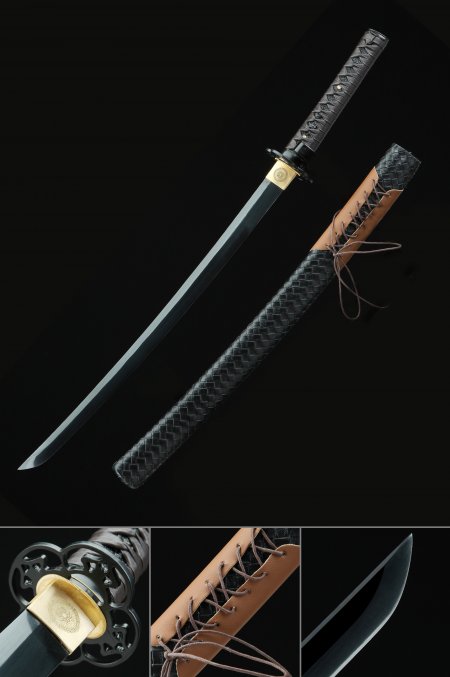
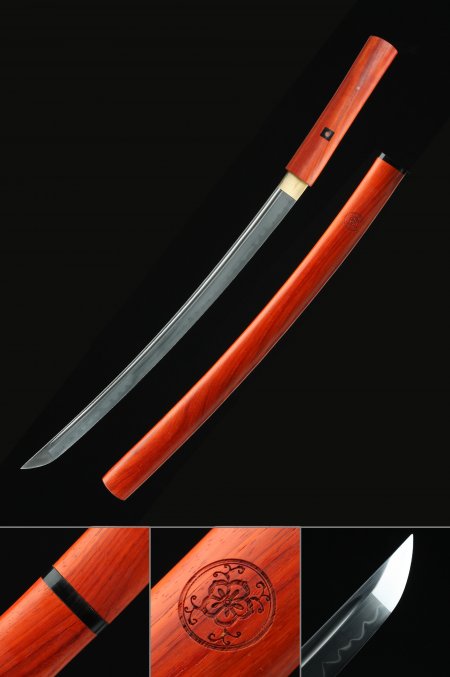
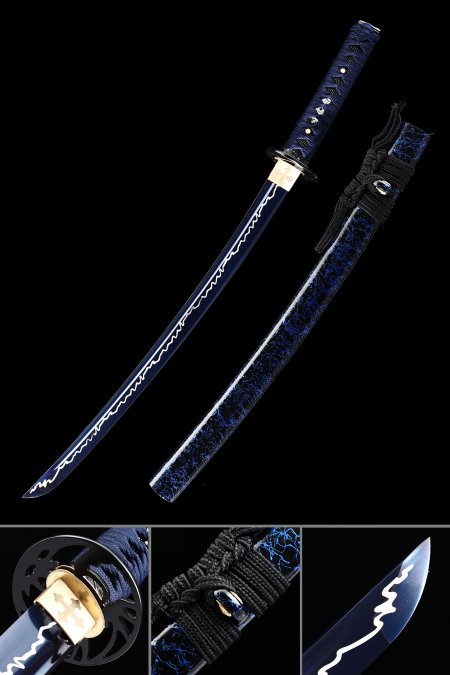
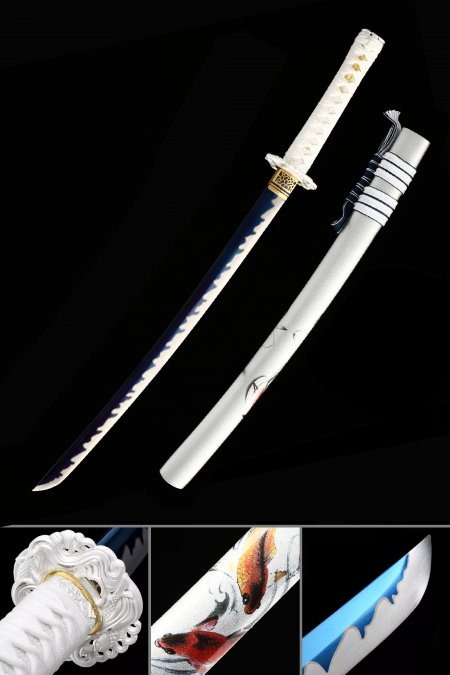
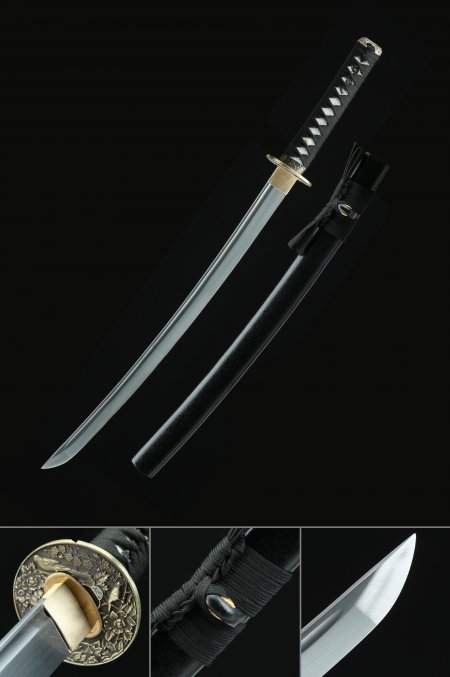
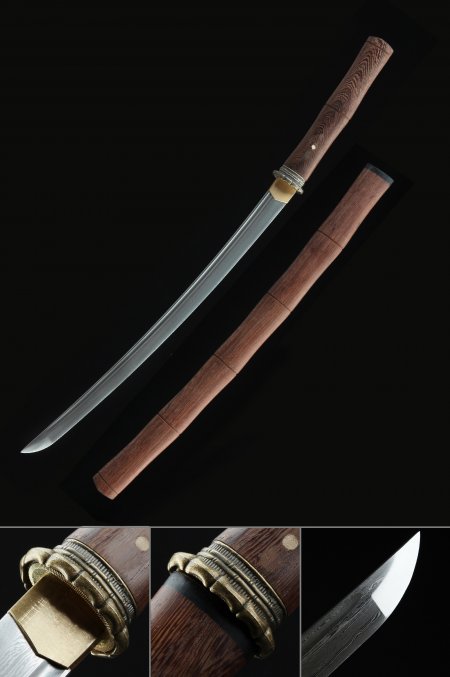
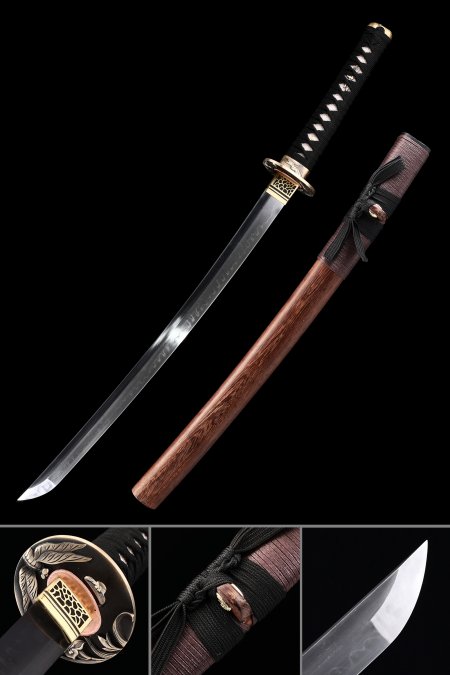
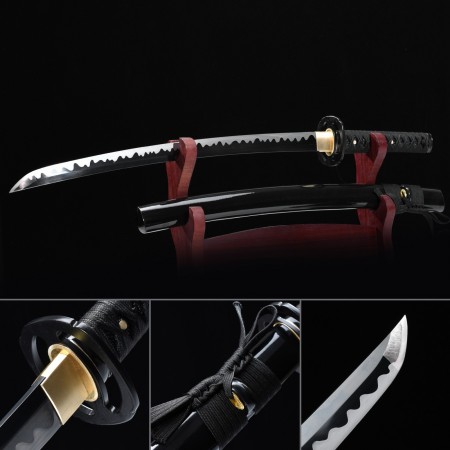
The wakizashi served a unique and historically specific role in samurai culture that distinguished it from the katana despite their visual similarity. Where the katana was the primary long sword - worn in public, surrendered when entering certain spaces, and associated with the samurai's full martial authority - the wakizashi was the constant companion blade that never left the samurai's person. When entering a lord's hall or indoor space where the katana was required to be left at the entrance, the samurai retained the wakizashi. When sleeping, the wakizashi was kept within reach. The wakizashi was the blade that stayed closest to the body through all circumstances, giving it a particular intimacy in the samurai's relationship with his swords. In the daisho pairing - the matched long and short sword set that became the visible emblem of samurai status during the Edo period - the wakizashi was the inseparable companion to the katana, and the two together represented the complete expression of samurai identity. A red wakizashi sword in a collector's display carries this historical weight as the companion blade of the Japanese sword tradition.