What historical periods of the Japanese sword tradition are represented in this collection?
Updated Feb 2026
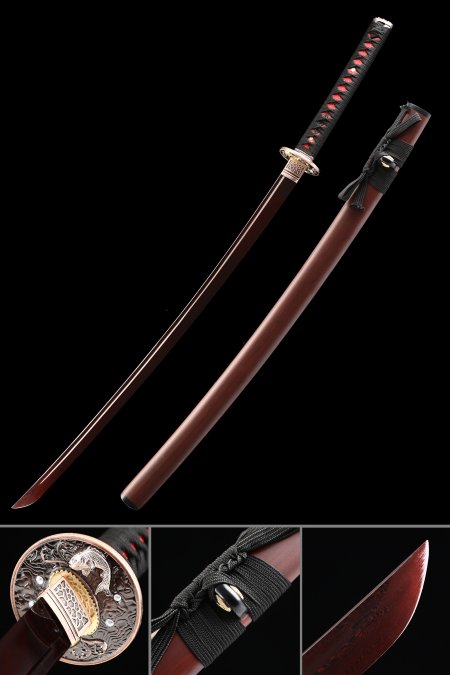
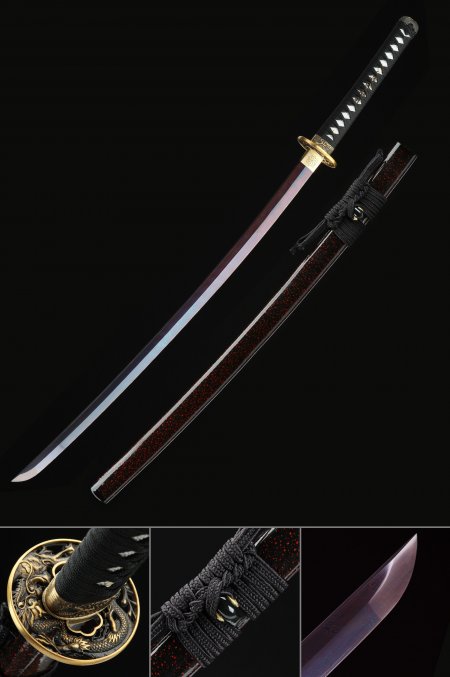
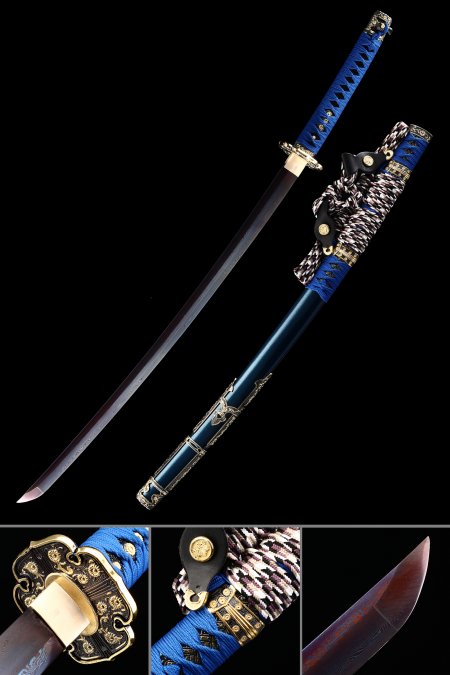
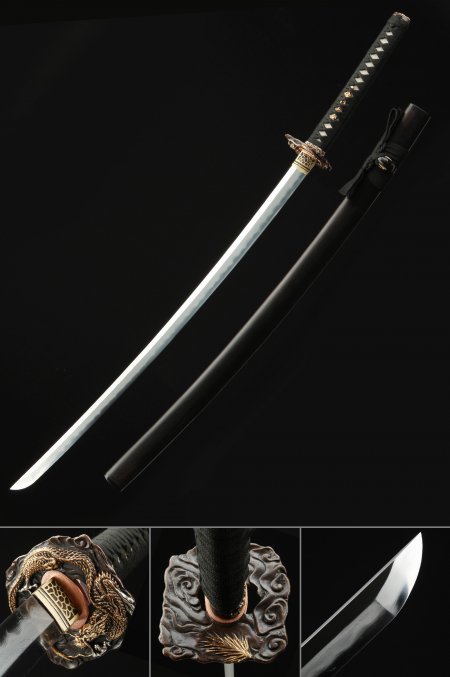
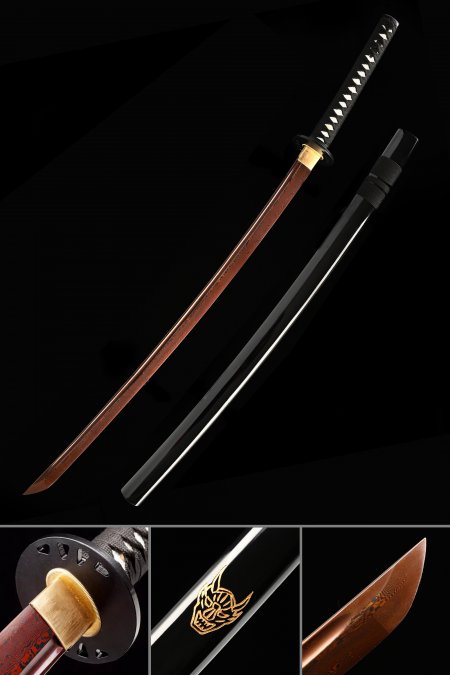
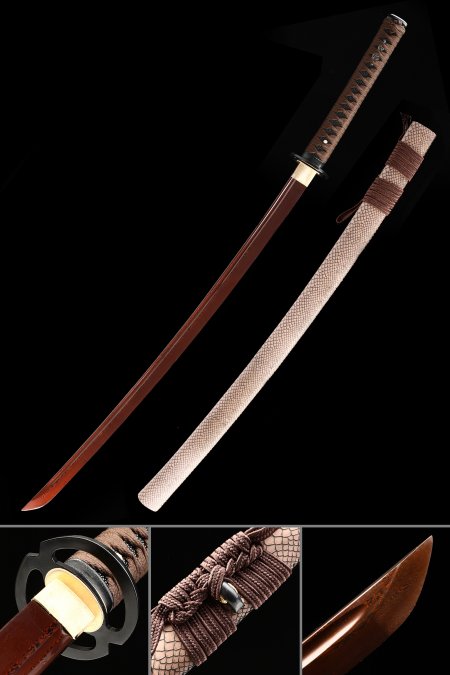
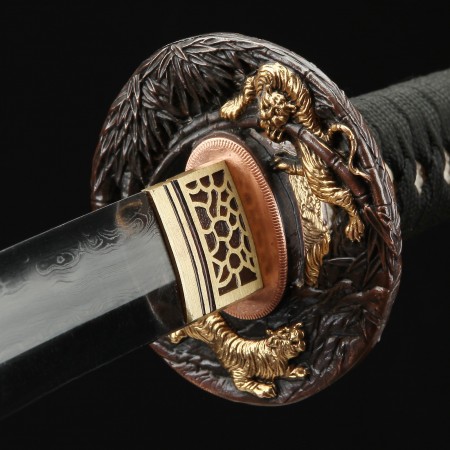
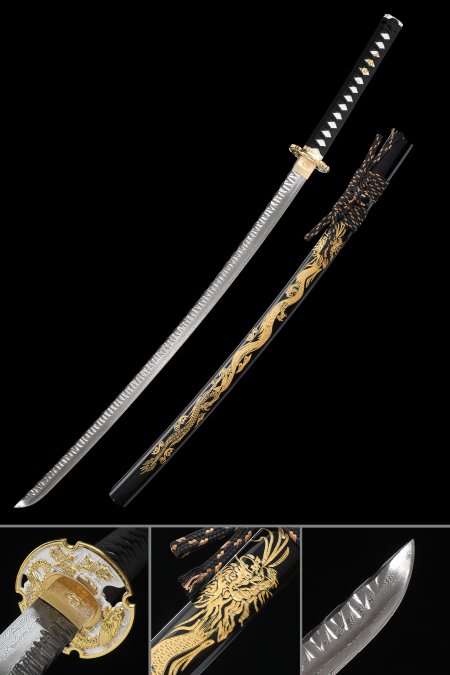
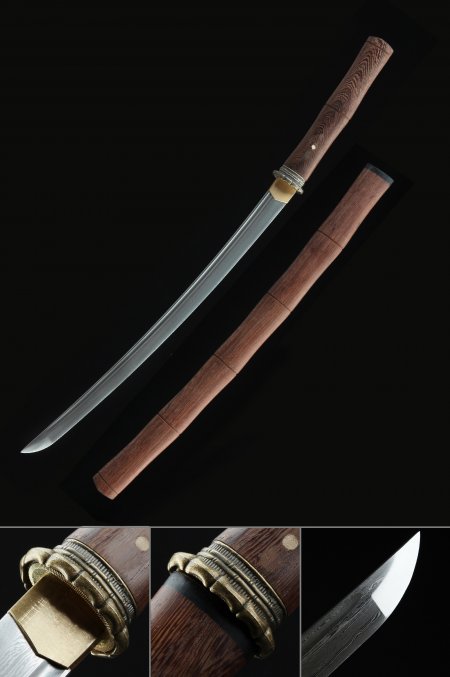
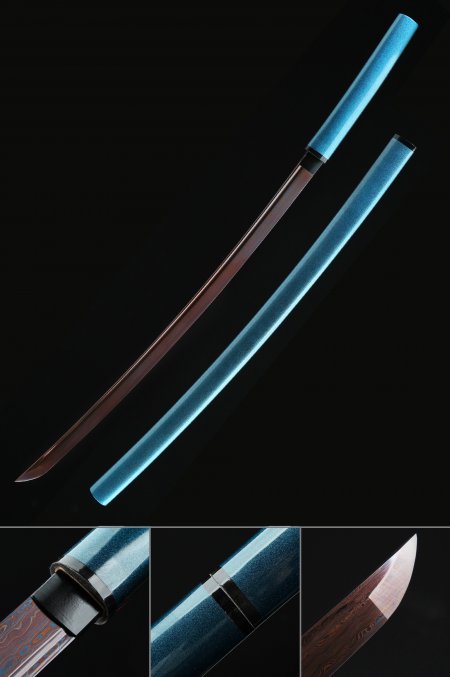
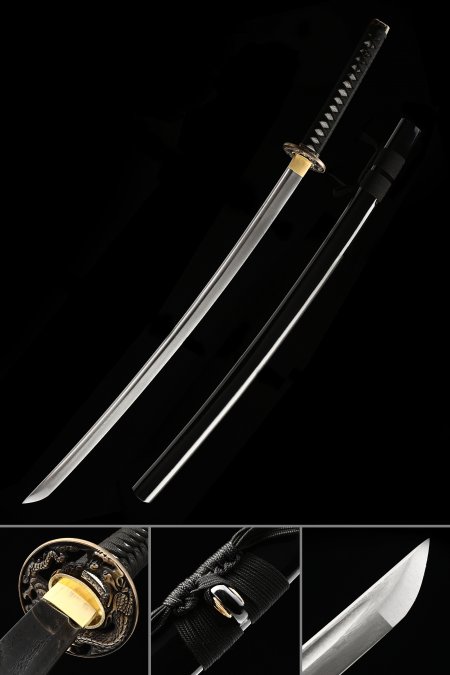
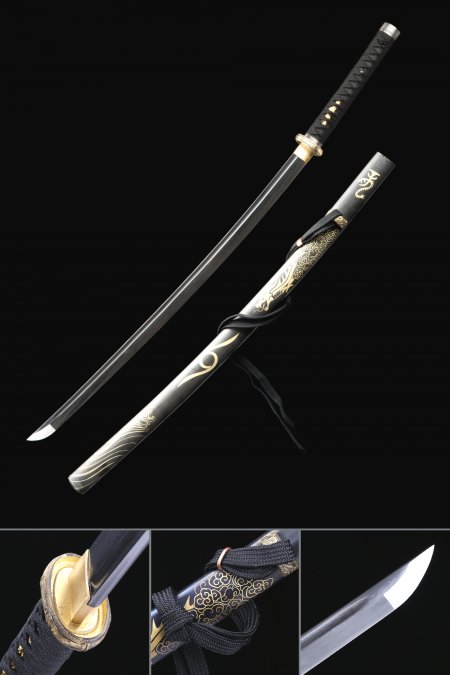
The old Japanese sword collection spans the primary periods of Japanese sword history from the classical samurai era through the twentieth-century military period. The tachi and katana tradition of the Kamakura, Muromachi, and Edo periods is represented through T10 clay-tempered pieces with visible hamon that reference the classical blade-making standards of these eras. The Edo period's standardized samurai daisho system is referenced through both katana and wakizashi pieces in matched or complementary configurations. The wakizashi companion blade tradition - the smaller sword that was the constant personal companion of the Edo period samurai - is represented through several wakizashi pieces in the collection. The twentieth-century end of the Japanese sword tradition appears in the WWII Type 98 Army Shin Gunto, the last Japanese military sword format to see active service. Damascus steel pieces reference the ancient tamahagane and fold-forged blade tradition that predates the standardized katana form. This span from classical blade tradition through military-period formats covers the full historical range of the Japanese sword as a practical and cultural object.