What are the key properties of 1095 carbon steel that make it suited for katana?
Updated Feb 2026
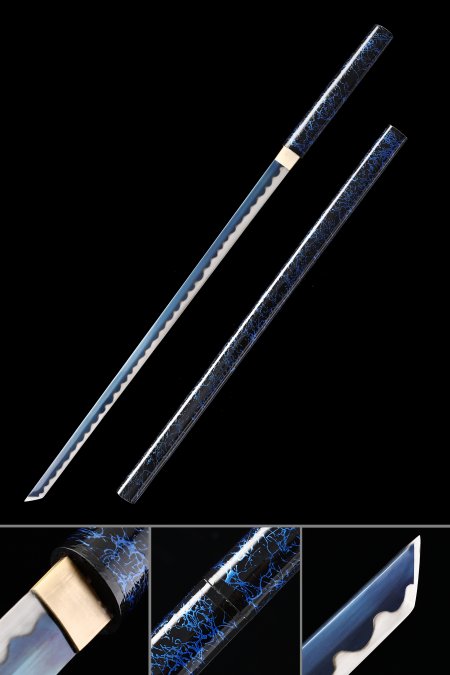
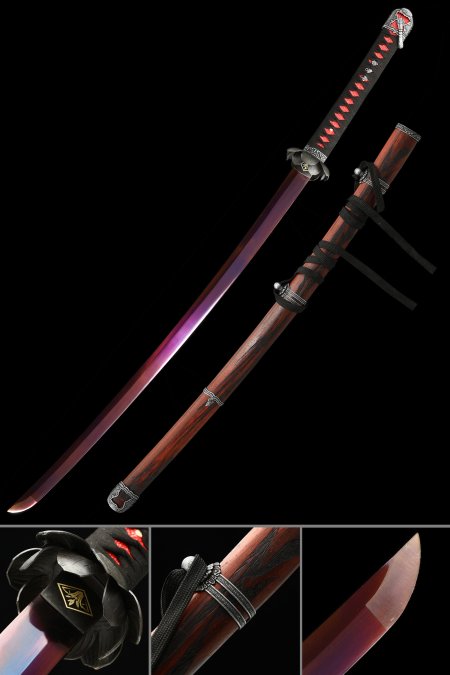
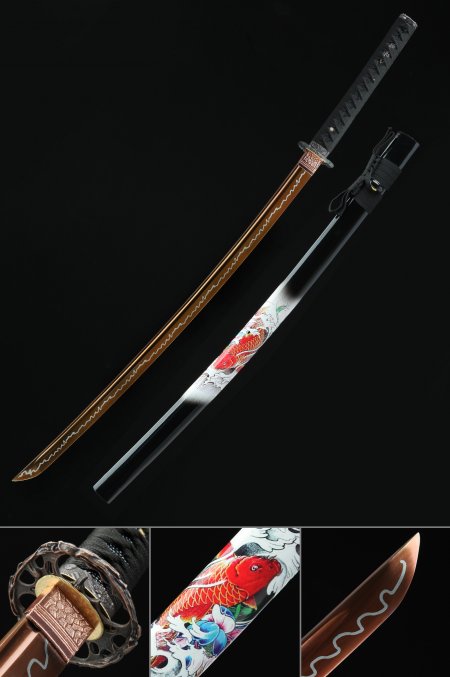
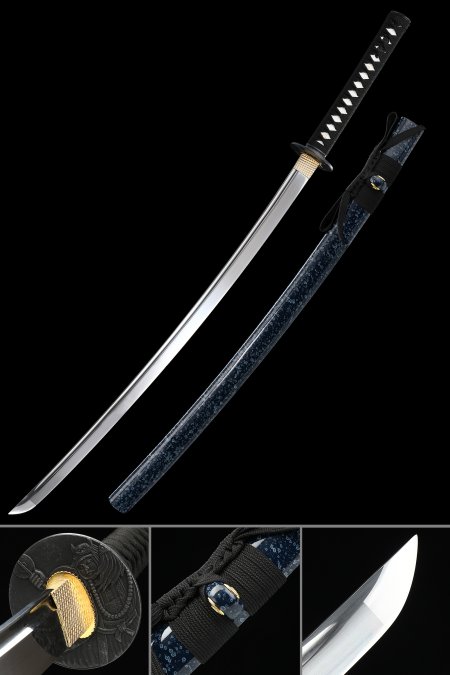
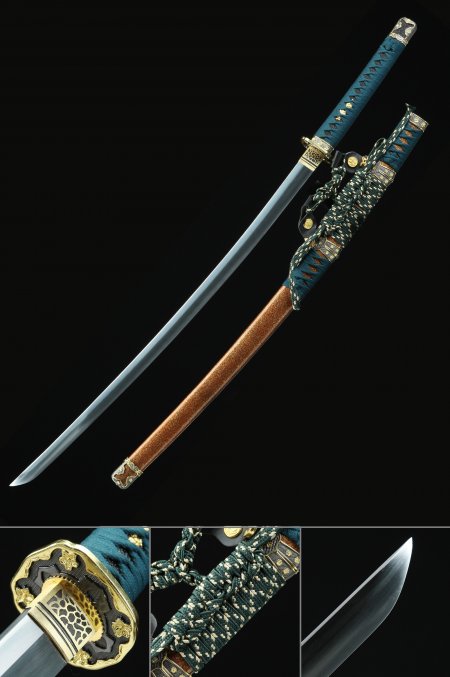
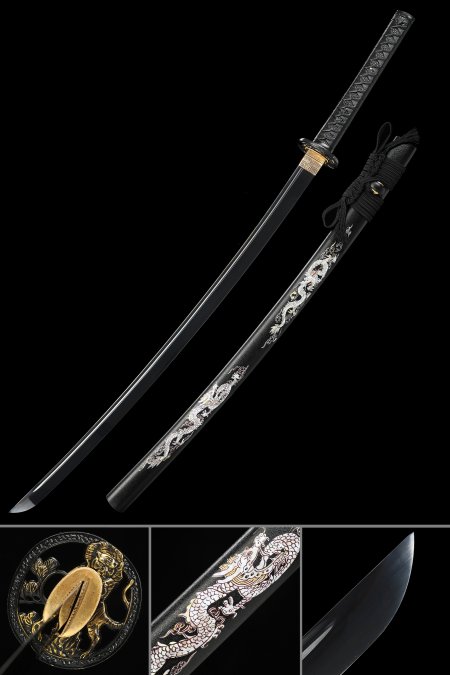
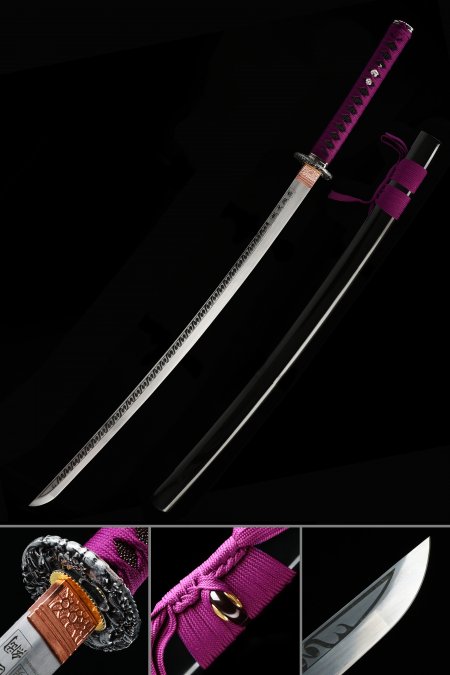
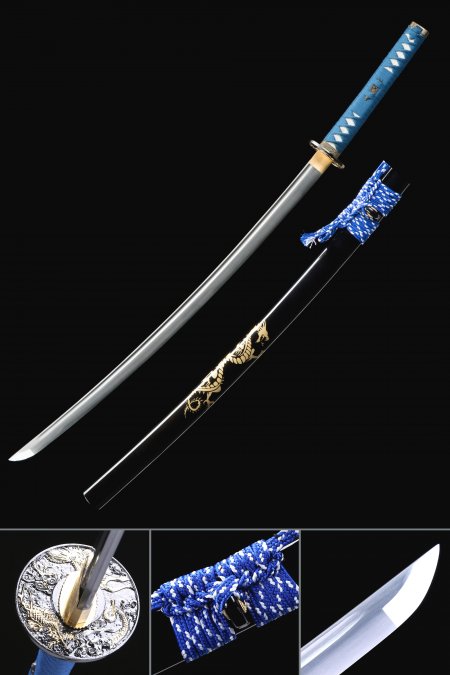
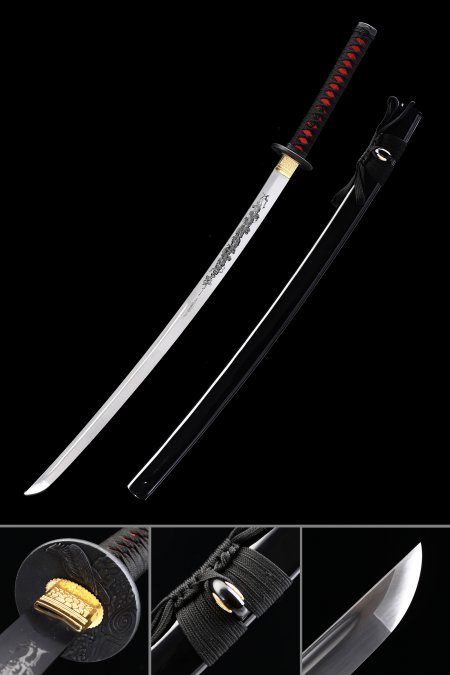
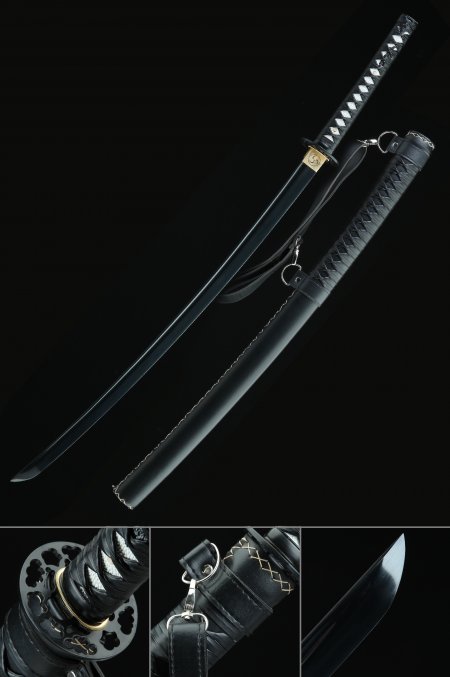
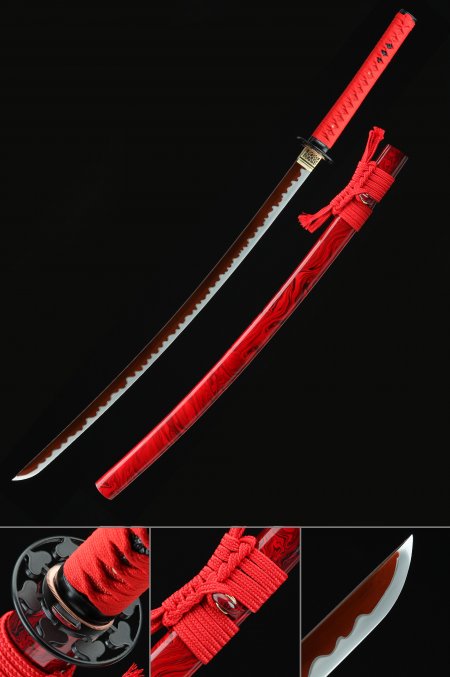
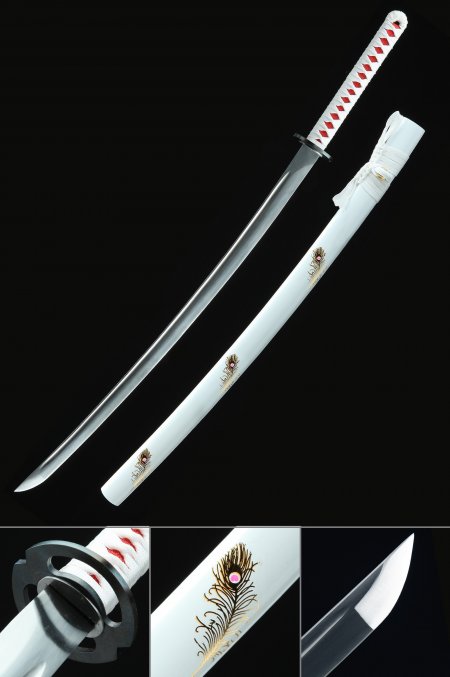
1095 carbon steel's suitability for Japanese katana construction comes from a specific combination of material properties that balance hardness, grain structure, and construction versatility. The 0.95% carbon content places it near the upper ceiling of straight high-carbon steel, enabling heat treatment to achieve Rockwell hardness in the HRC 57-61 range depending on quench and temper specifics - this hardness level is appropriate for a blade that will be examined and handled as a collectible, providing good resistance to surface marking. The grain structure of 1095 after proper heat treatment is fine and uniform, giving the polished blade surface a quality and density that experienced collectors recognize when examining pieces. 1095 is compatible with both standard oil quench hardening and differential clay tempering - in clay-tempered configurations it produces a well-defined hamon with active nie in the temper line boundary zone. These properties make 1095 a versatile and respected grade that appears in both traditional-aesthetic hamon pieces and contemporary color-treatment configurations.