What should I look for when evaluating a hand folded katana's quality?
Updated Feb 2026
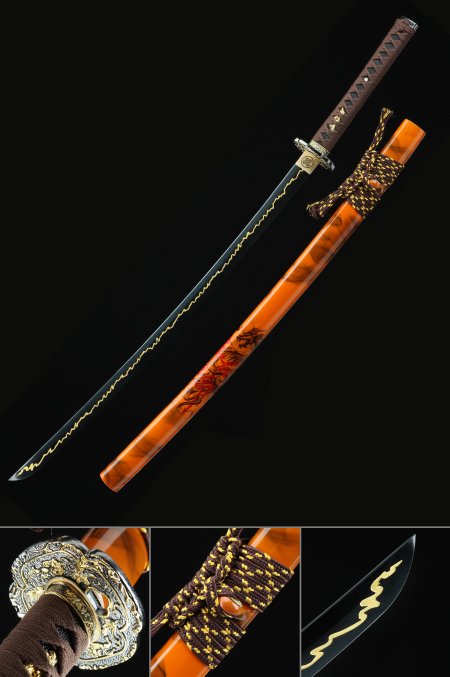
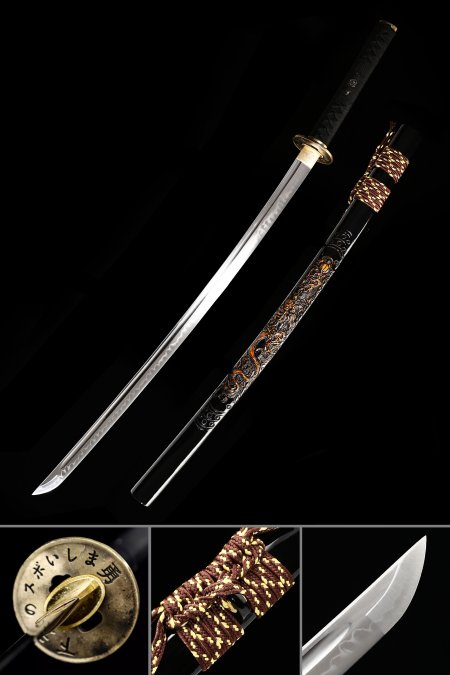
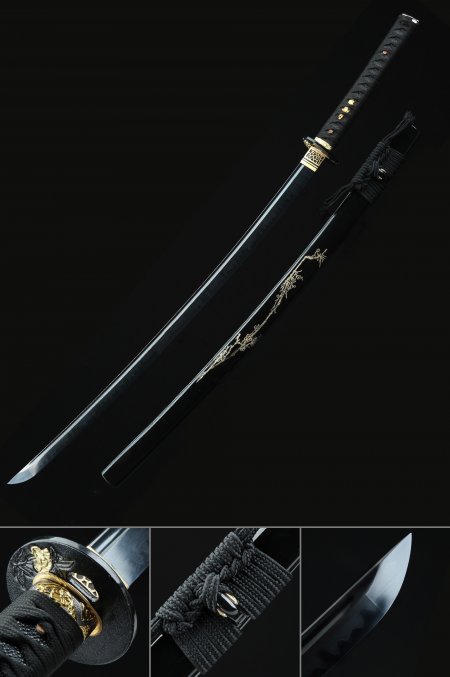
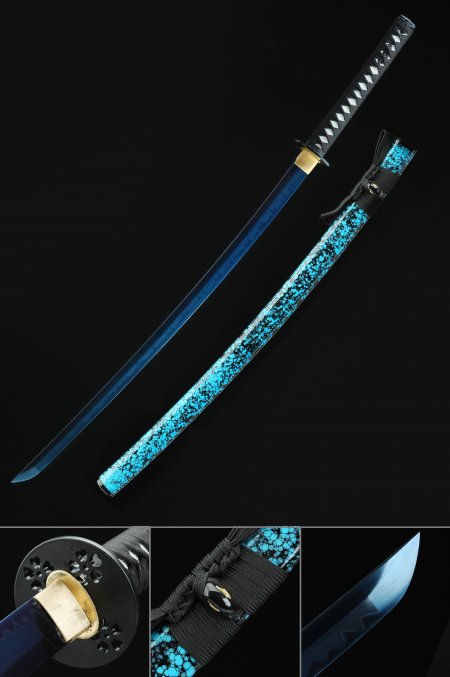
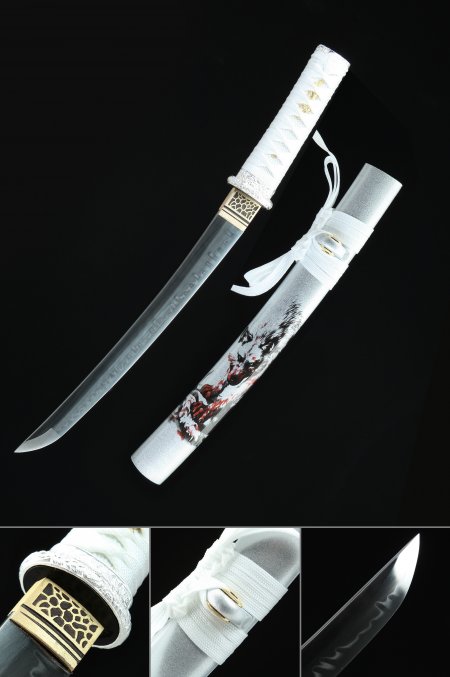
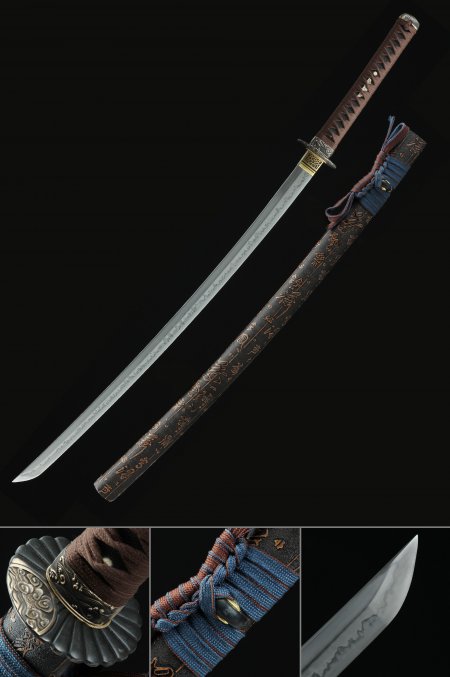
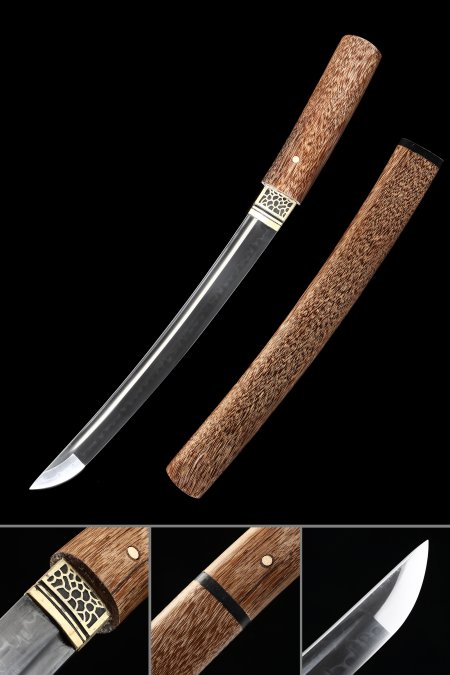
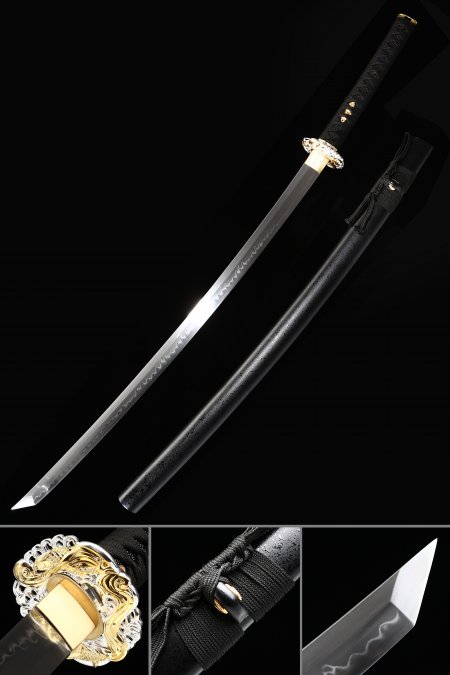
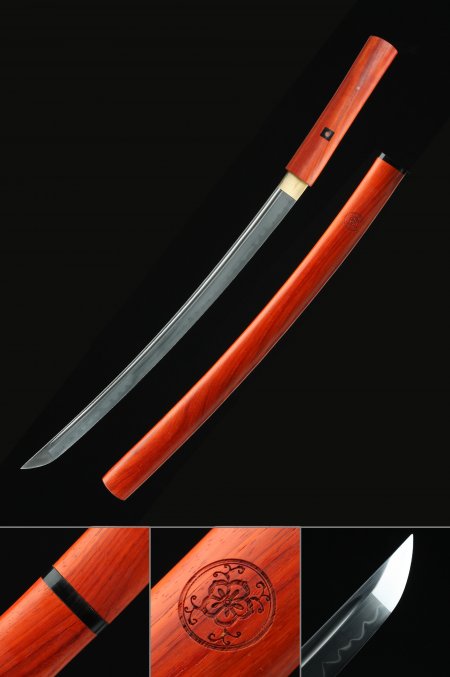
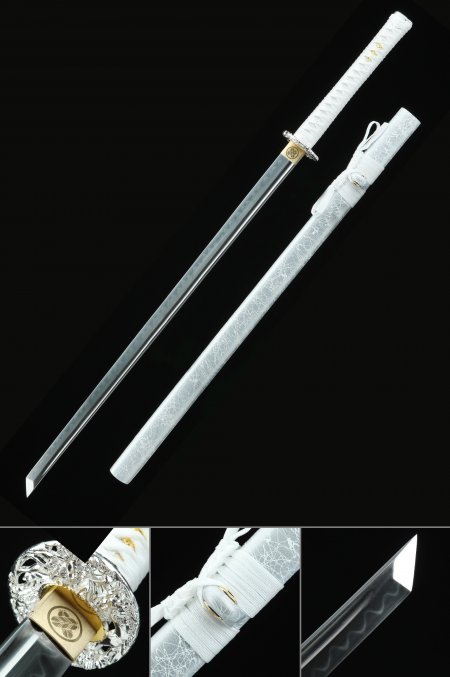
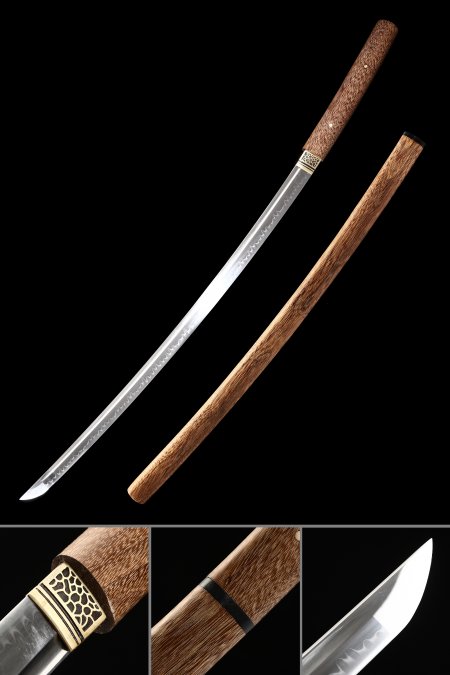
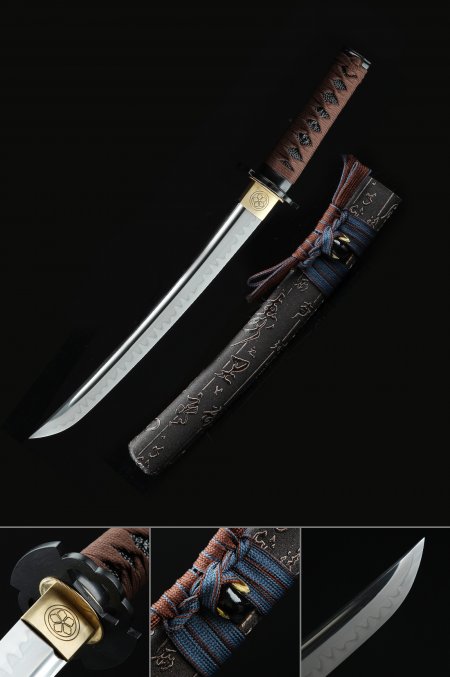
Evaluating a hand folded katana's quality focuses on several specific observable markers. For T10 clay-tempered pieces, the hamon is the primary quality marker: it should be well-defined with clear activity - visible nie crystals in the boundary zone and a consistent path along the blade length. A poorly executed hamon is faint, blurry at the boundary, or visually inconsistent. For 1000-layer and Melaleuca pieces, the layered surface pattern should be visible and consistent across the blade - the layer lines should run in regular and evenly spaced bands. The blade geometry should be correct for the katana format: appropriate curvature, consistent blade width taper, and a tip geometry appropriate to the sword style. Full-tang construction is confirmed by visible mekugi pins through the handle. Handle wrapping should be tight and consistent.