What steel grades are most appropriate for a traditional Japanese katana?
Updated Feb 2026
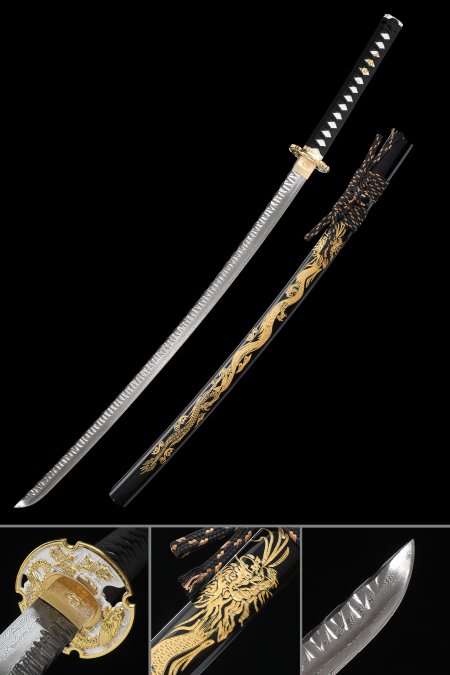
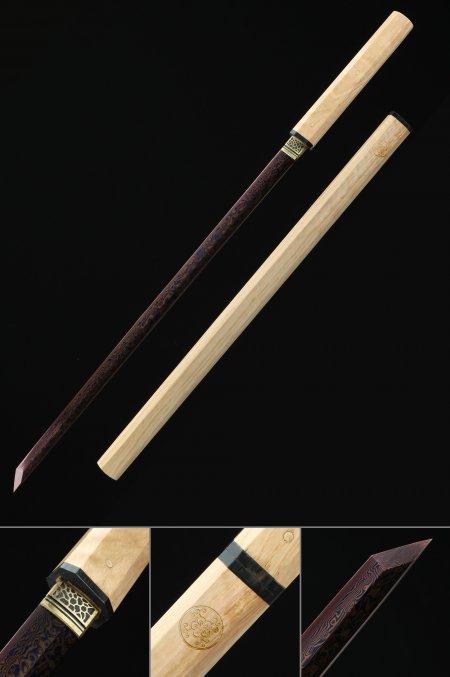
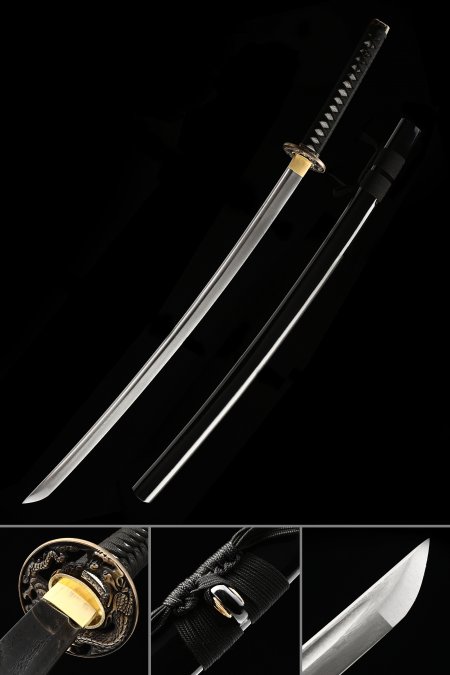
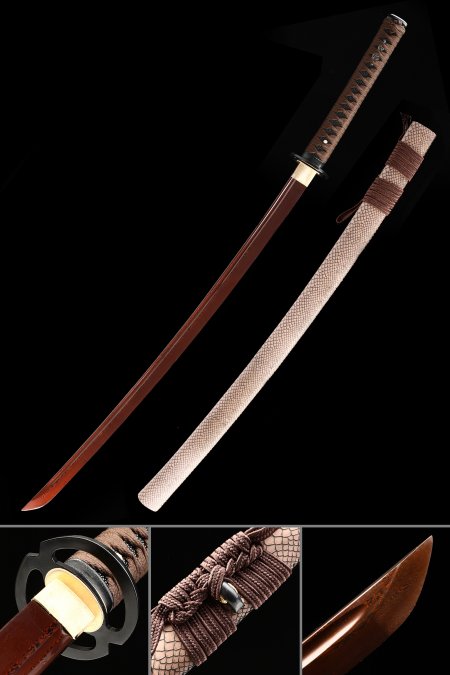
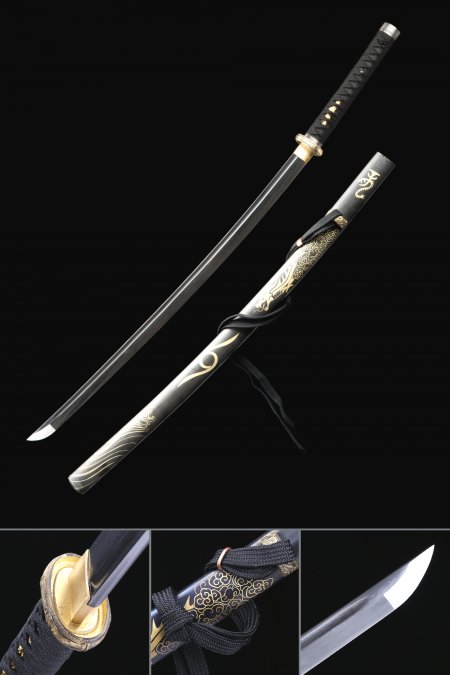
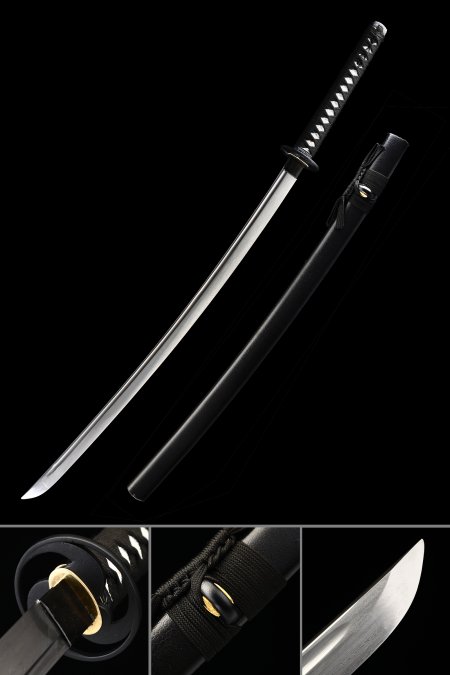
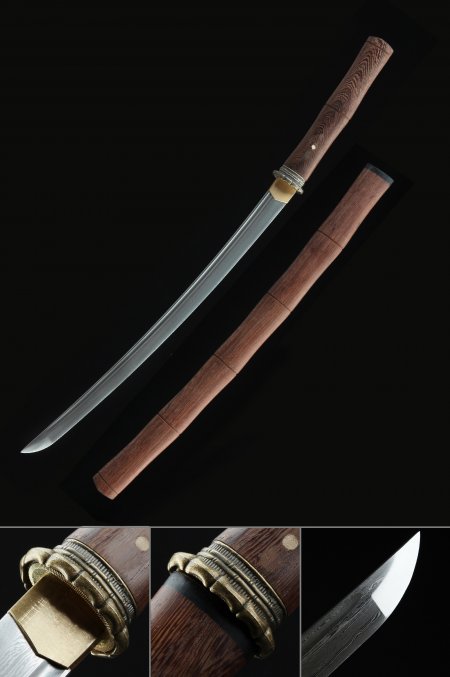
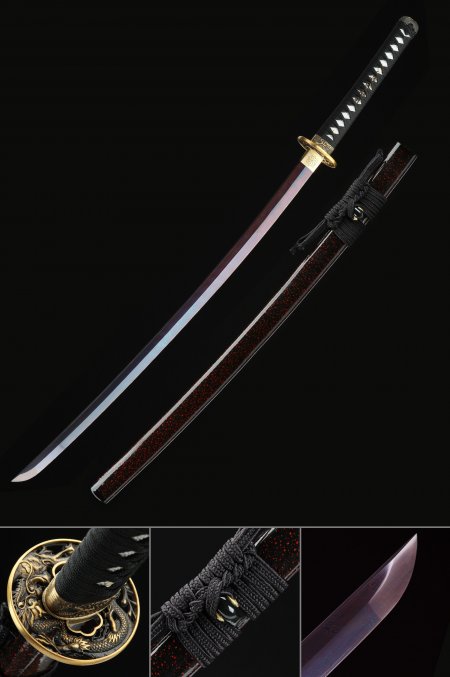
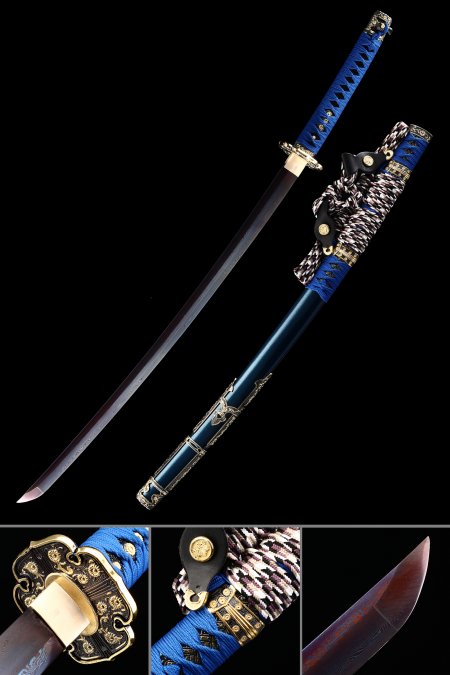
T10 carbon steel is the most appropriate grade for a traditional Japanese katana because of its exceptional response to differential clay tempering - the process that produces the hamon temper line that is the primary craft marker of classical Japanese sword construction. T10's fine grain structure produces the clearest and most active hamon patterns, with visible nie crystals in the temper boundary zone that closely approximate the appearance of historical nihonto. 1095 carbon steel is a strong second choice, also producing good hamon quality in clay-tempered configurations. 1045 and 1060 carbon steel in natural-wood scabbard configurations provide the traditional visual aesthetic at accessible tiers. Damascus steel in natural-wood scabbard creates an interesting combination of the fold-forged layered pattern with a traditional exterior presentation.