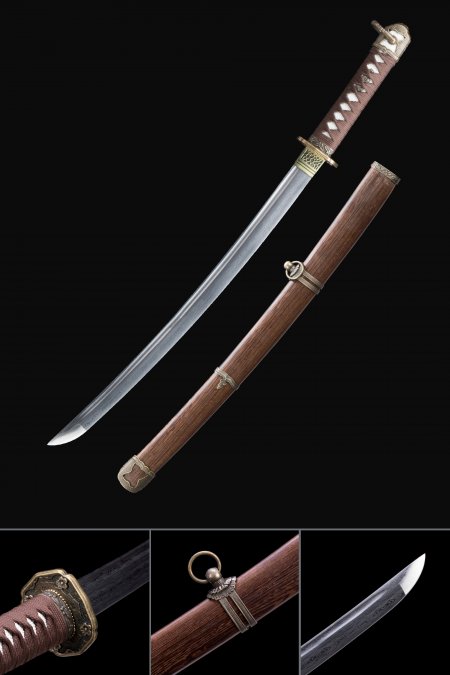
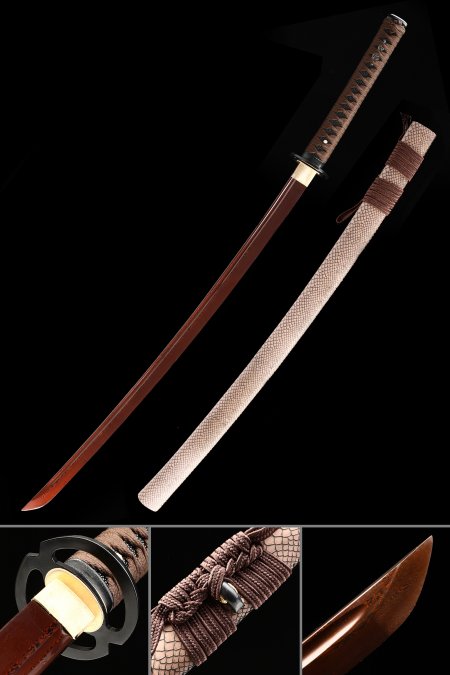
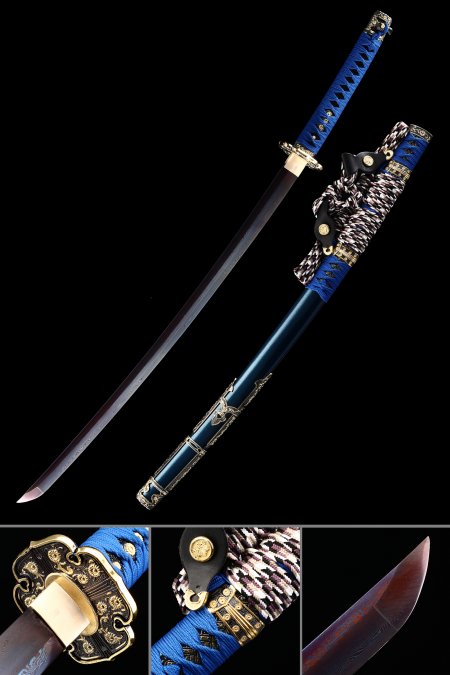
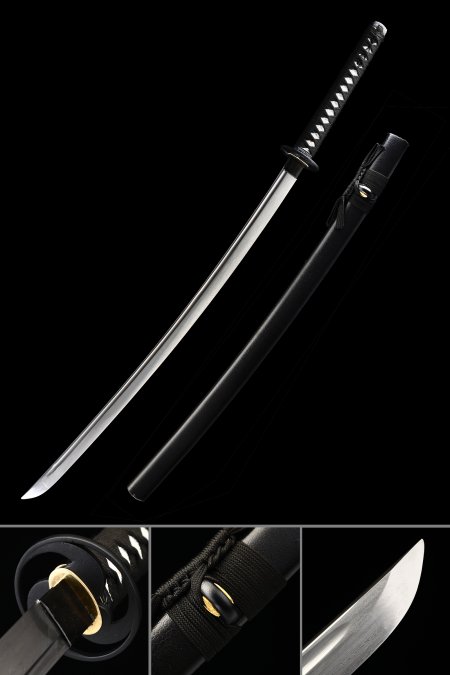
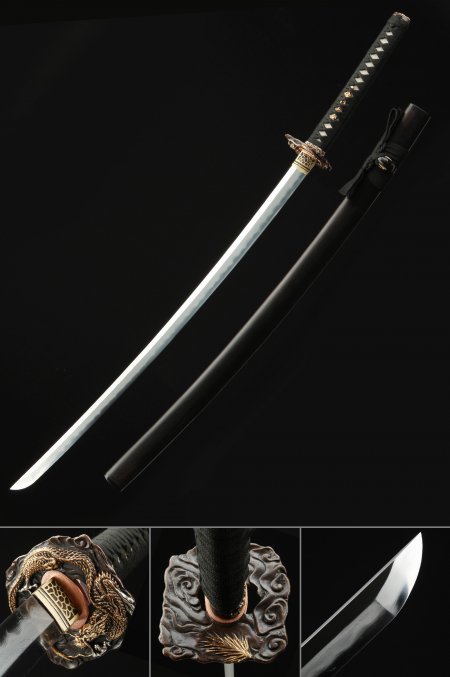
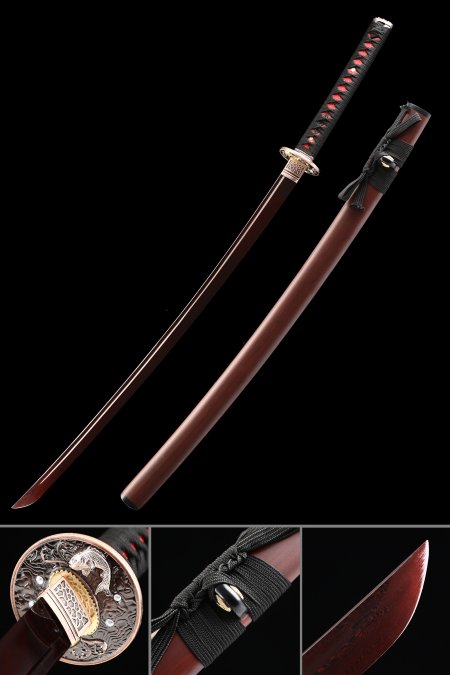
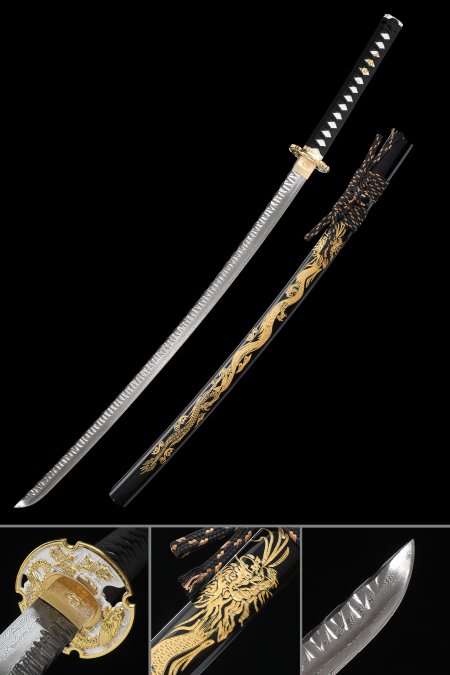
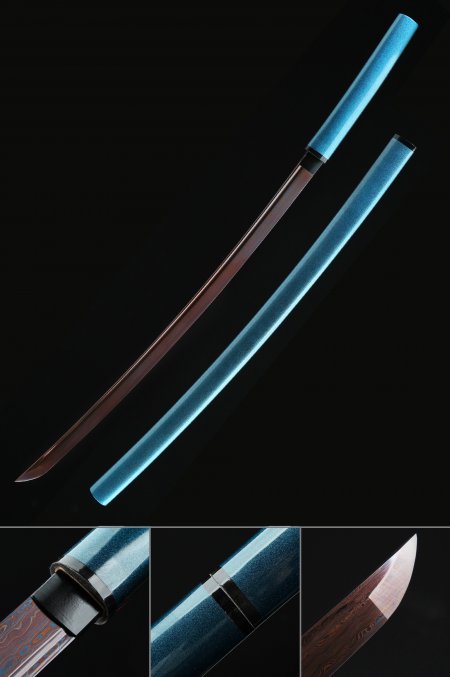
Which steel is best for Katana?
The traditional steel used for crafting Japanese katana swords is known as Tamahagane. Tamahagane is a type of steel produced through a labor-intensive process of smelting iron sand and charcoal in a Tatara furnace. This process results in a steel with a unique composition and structure, characterized by a combination of soft and hard layers.
The soft layer, called the "jigane," provides the flexibility and toughness necessary to withstand impacts and prevent the sword from breaking. The hard layer, known as the "hagane," forms the cutting edge of the blade and offers exceptional sharpness and edge retention.
Tamahagane is highly regarded for its traditional and historical significance, as well as its unique properties that contribute to the performance of a katana. However, it's worth noting that the production of Tamahagane is a specialized and time-consuming process, and authentic Tamahagane blades can be rare and expensive.
In modern times, due to the limited availability of Tamahagane and the high cost associated with its production, alternative steels have been developed and used for katana swords. These steels often incorporate various elements and alloys to achieve desired properties such as strength, durability, and sharpness.
Some common types of modern steels used for katana blades include:
- High Carbon Steel: Blades made from high carbon steel offer good edge retention and sharpness. Different carbon steel grades, such as 1095, 1060, or 1045, are often used for katana blades.
- Stainless Steel: Stainless steel blades provide increased resistance to corrosion, which can be advantageous in humid or coastal environments. However, they may sacrifice some of the traditional aesthetic and cutting performance of Tamahagane.
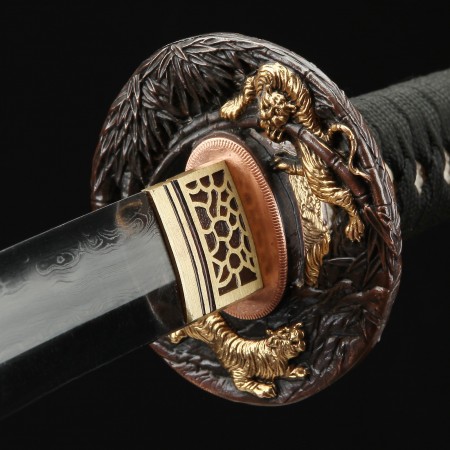
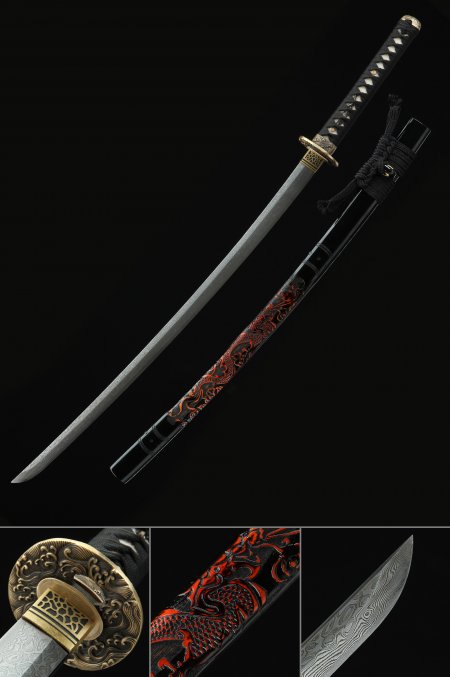
- Damascus Steel: Damascus steel is a layered steel with a distinctive pattern. It is achieved by forge-welding multiple layers of different steels together. Damascus steel blades can offer a visually appealing pattern and good cutting performance.
It's important to note that the choice of steel for a katana depends on personal preferences, intended use, and budget. Factors such as the blade's heat treatment, forging techniques, and overall craftsmanship also significantly influence the quality and performance of a katana, regardless of the specific type of steel used. Therefore, consulting with a reputable swordsmith or knowledgeable expert is advisable when selecting a katana with the desired characteristics and steel type.