How do modern tactical katanas differ from traditional nihonto?
Updated Feb 2026
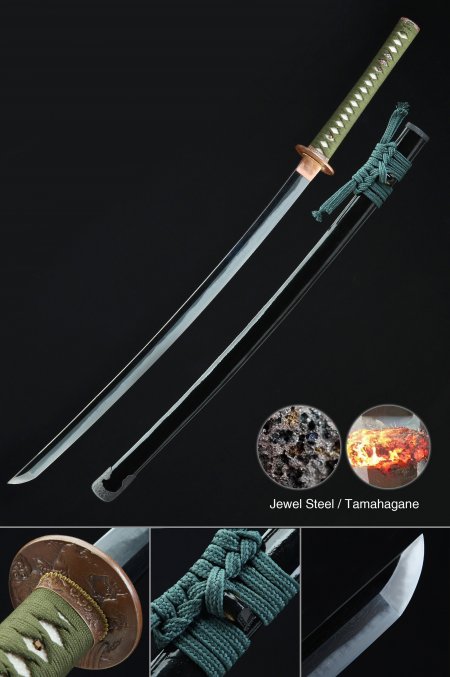
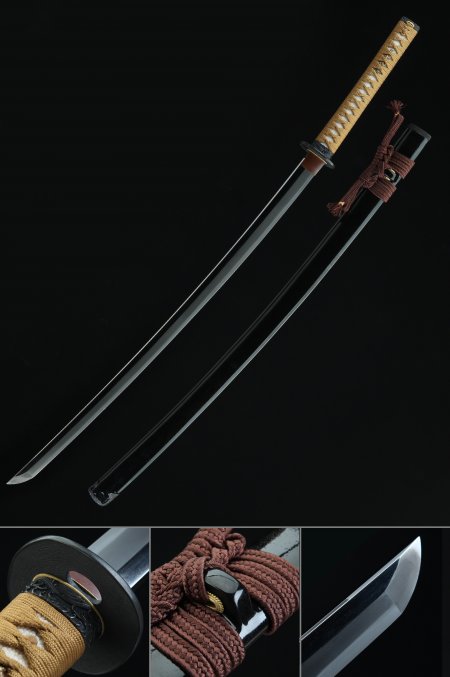
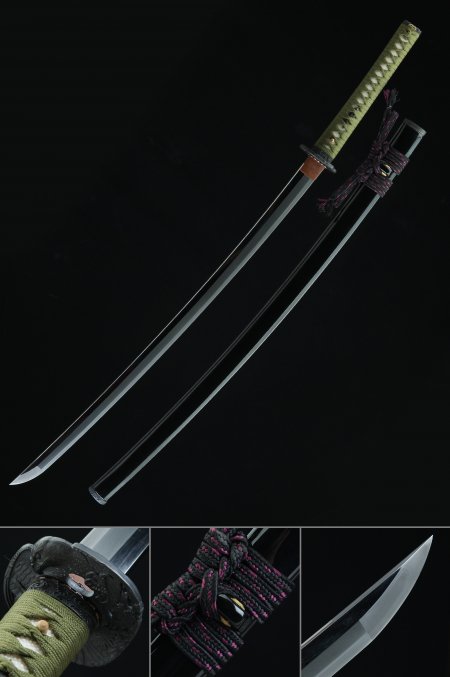
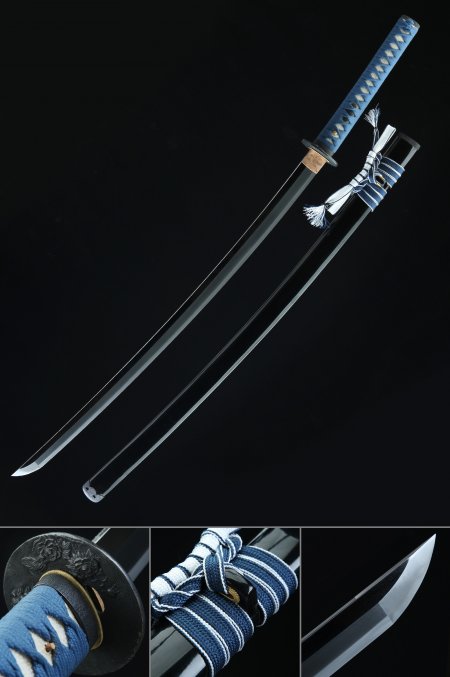
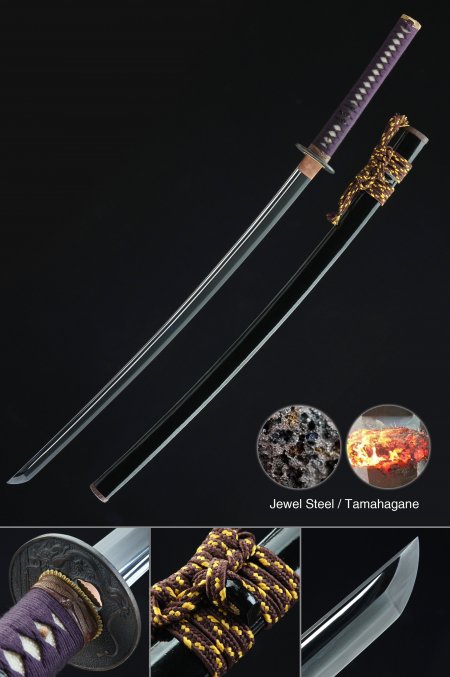
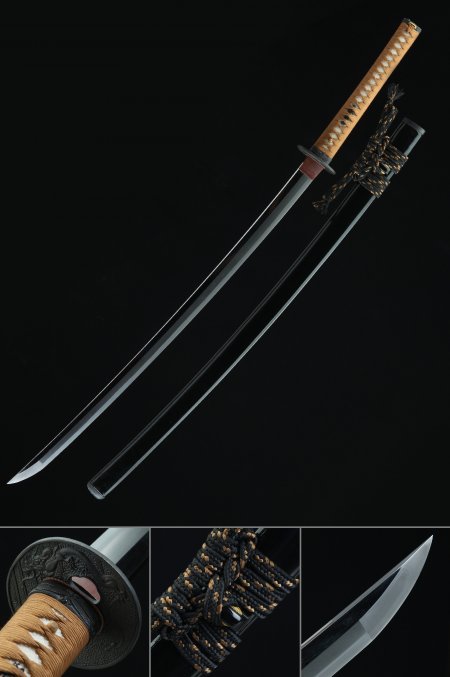
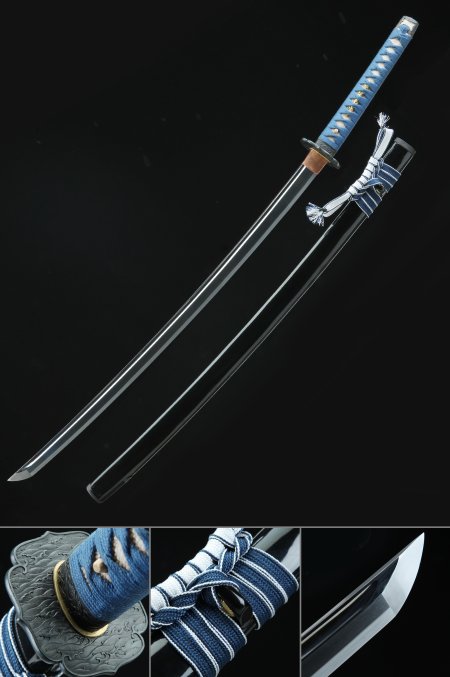
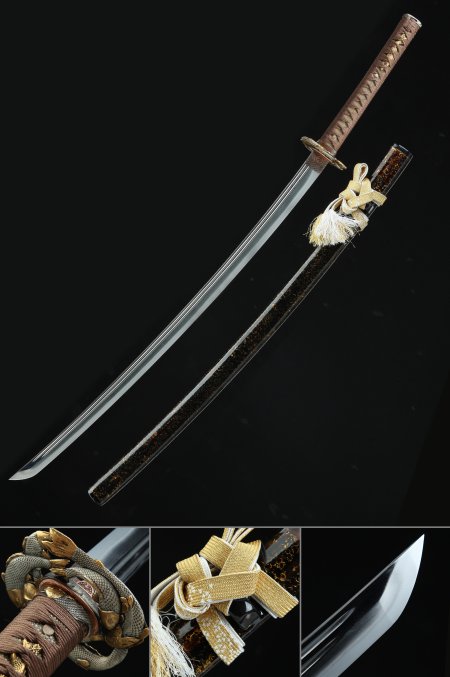
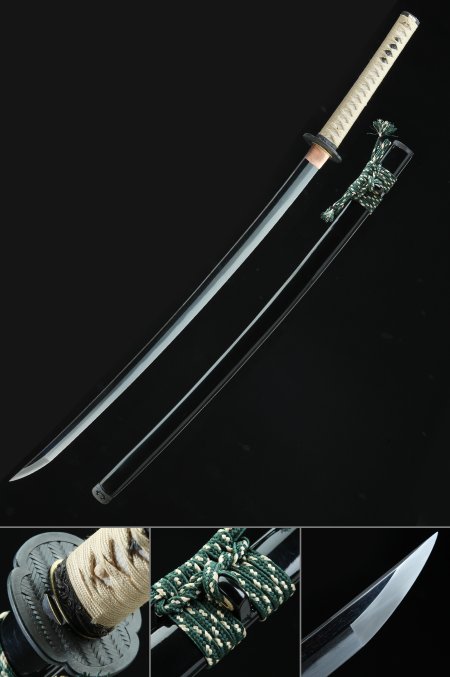
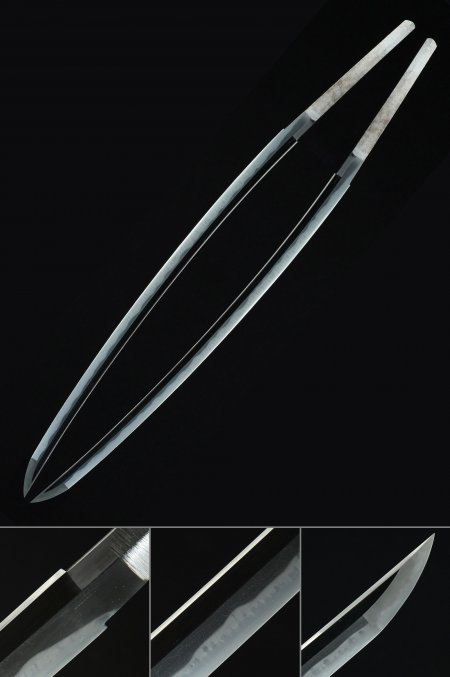
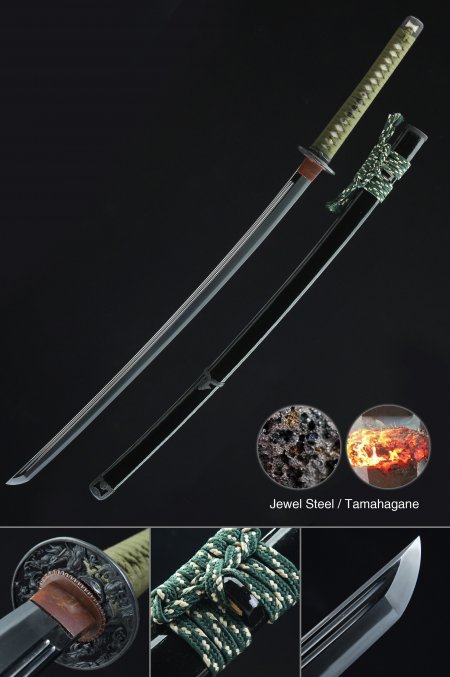
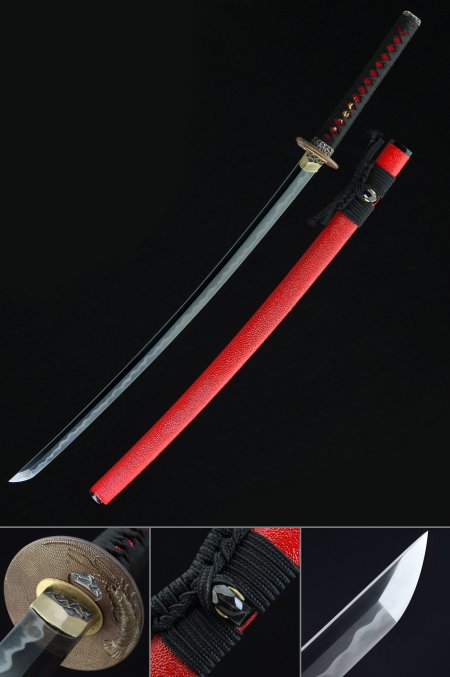
Traditional nihonto — historically forged Japanese swords — are produced using tamahagane steel smelted in a tatara furnace, folded repeatedly to refine the grain structure, and finished through a clay-tempering process called tsuchioki that creates the distinctive hamon. Modern tactical katanas use industrially produced high-carbon or alloy steels, CNC-assisted profiling, and standardized heat-treatment chambers. The fittings also diverge: where a classical katana might feature lacquered wood saya and ray skin handle wrapping, tactical variants frequently incorporate polymer components, matte lacquer finishes, and cast alloy tsuba with graphic motifs. Neither approach is superior — they serve different collecting interests. The tactical category prioritizes visual boldness, structural consistency, and accessibility, while nihonto collecting centers on historical authenticity and the nuances of traditional craft.