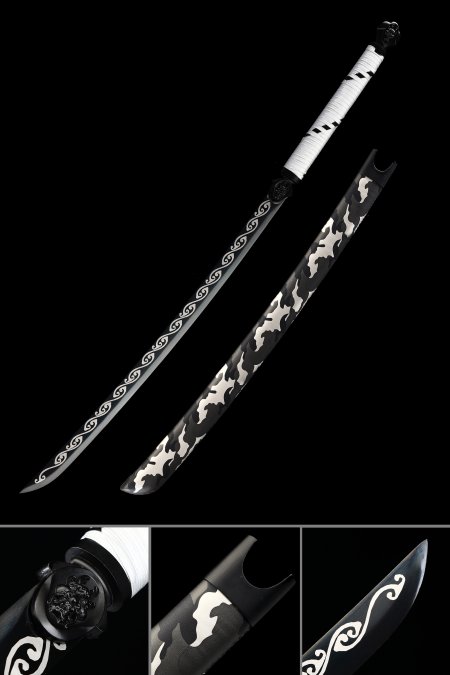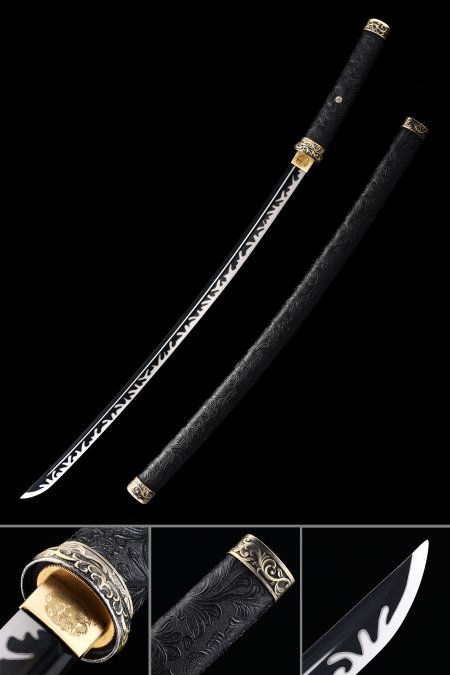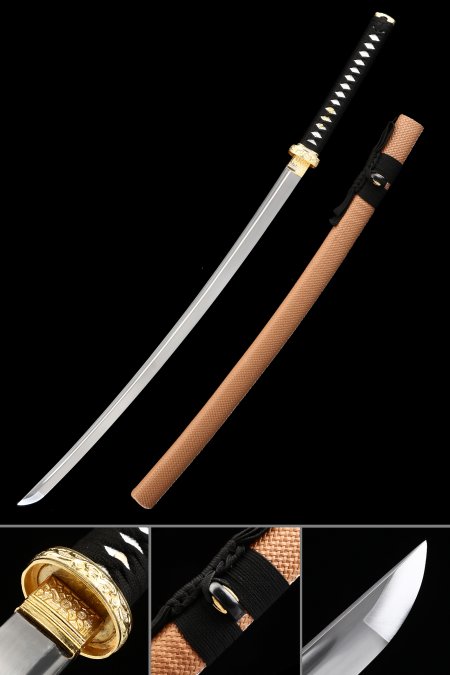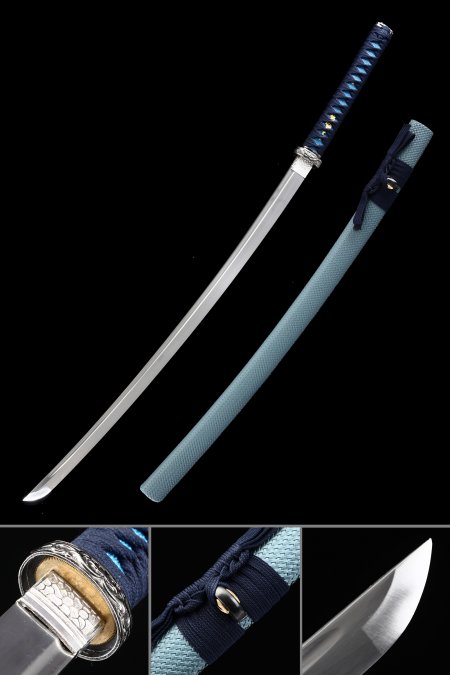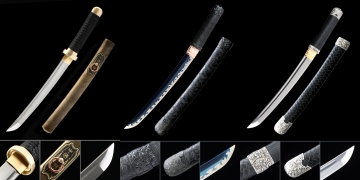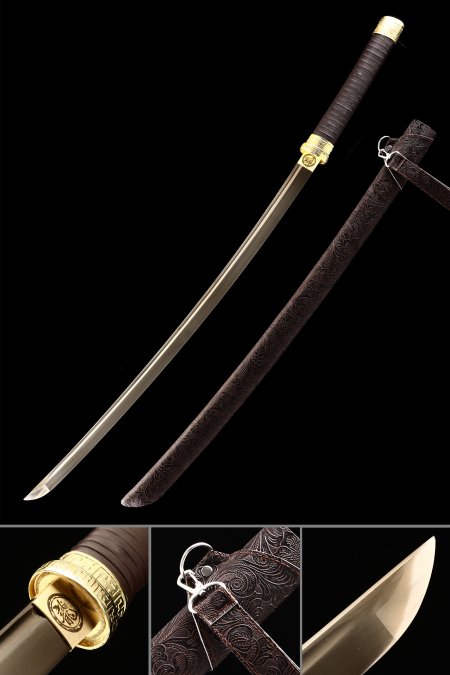
Modern Tactical Katana

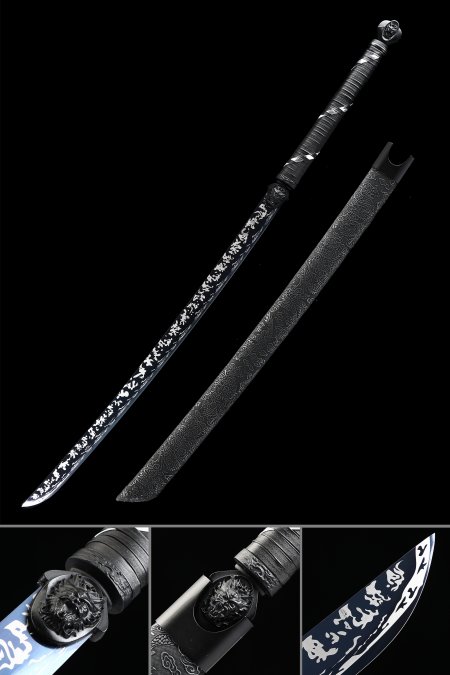
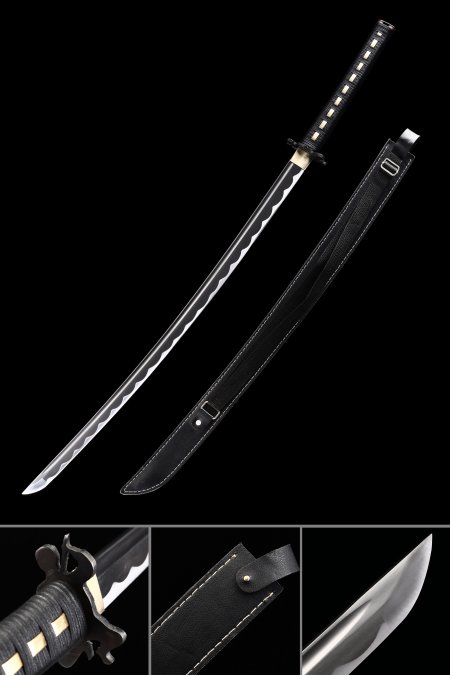
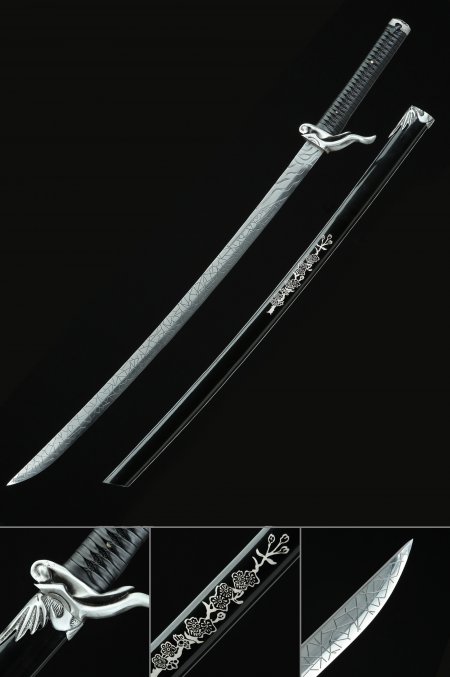
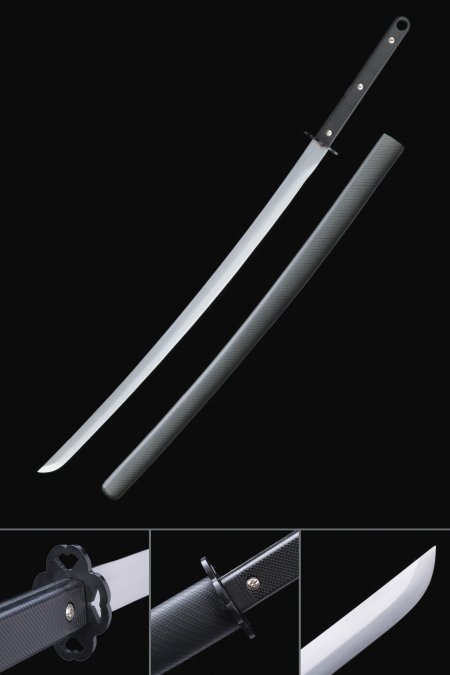
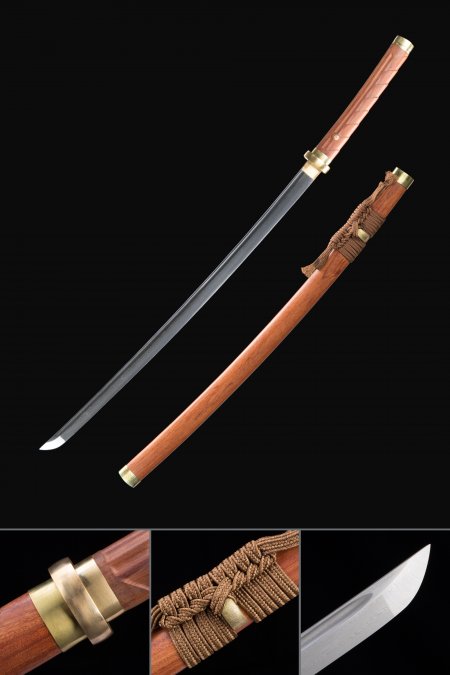
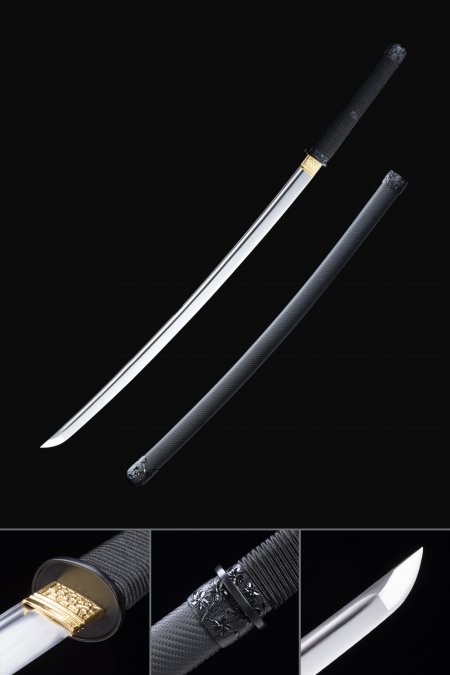
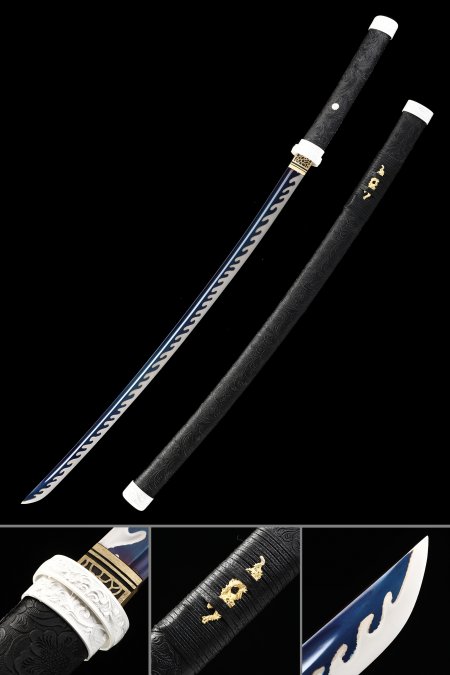
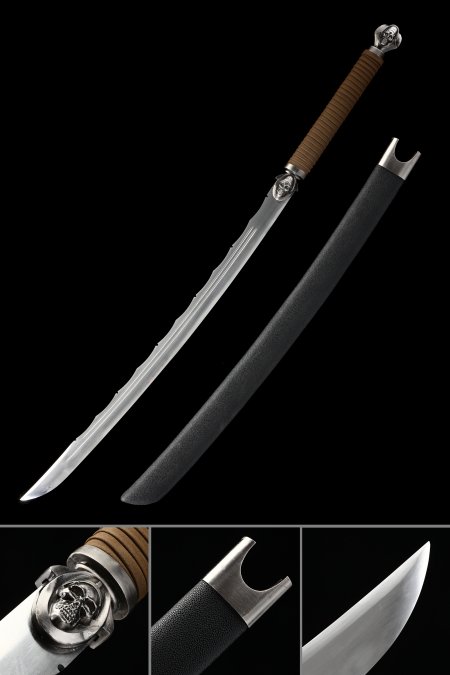
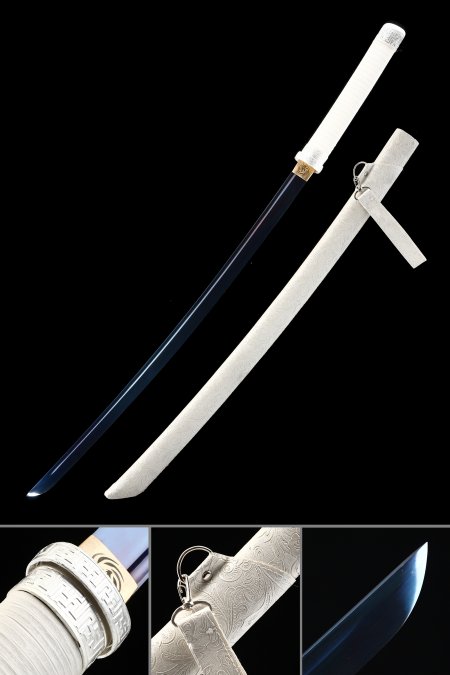
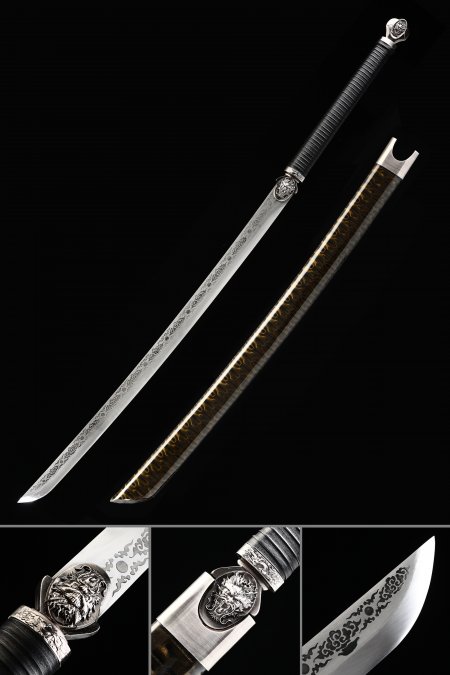
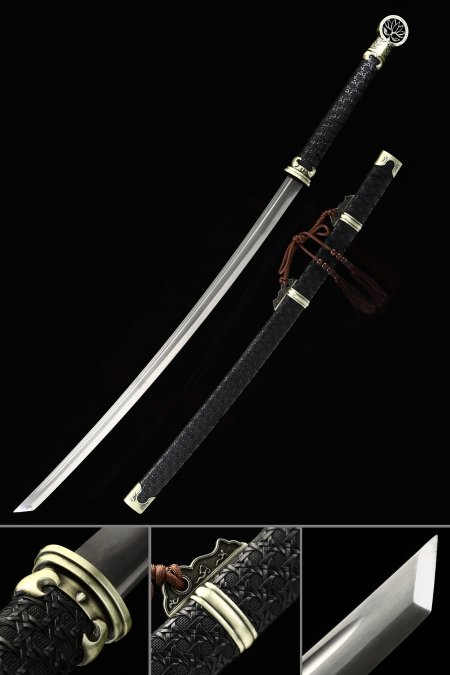
Modern tactical katanas reinterpret centuries-old Japanese sword design through contemporary materials — manganese steel, impact-resistant polymer fittings, and matte hardwood saya — resulting in pieces that are as visually striking as they are structurally sound. Each blade in this collection features full-tang construction for optimal balance, finished with traditional cord-wrapped handles and hand-fitted tsuba that honor classical aesthetics. Every order ships free with hassle-free returns, so you can add to your collection with complete confidence.

Showing 7 Products

Related Collections

Gold Katana17 items


171 Reviews

Ninja Sword84 items


458 Reviews

Odachi Sword33 items


57 Reviews

Damascus Katana Sword120 items


226 Reviews

Frequently Asked Questions

What steel types are used in modern tactical katanas?
This collection features three primary steel grades: 1065 carbon steel, 1095 carbon steel, and manganese steel. 1065 is a mid-range carbon steel known for its toughness and resistance to chipping, making it a dependable choice for display pieces that will be handled frequently. 1095 sits at the higher end of the carbon spectrum, offering greater hardness and the ability to take a more refined edge geometry — a quality collectors who prioritize blade detail tend to appreciate. Manganese steel introduces a different metallurgical profile, with added manganese content improving tensile strength and giving the blade a distinctive surface character after finishing. Each steel type is heat-treated through a controlled process to optimize its hardness rating, and the choice of steel is often the single most important factor distinguishing pieces within this category.
How does full-tang construction affect a display katana?
Full-tang construction means the steel of the blade extends continuously through the entire length of the handle, rather than terminating partway through the grip. For a collectible or display katana, this has two meaningful consequences. First, it creates a significantly more balanced feel when the piece is held or repositioned during display — the weight distribution is natural rather than handle-heavy. Second, it is a reliable indicator of overall build quality; manufacturers who invest in full-tang assembly typically also apply tighter tolerances to fittings like the habaki, tsuba, and mekugi pins. When examining a piece for long-term display, full-tang construction is one of the first specifications worth confirming.
How do modern tactical katanas differ from traditional nihonto?
Traditional nihonto — historically forged Japanese swords — are produced using tamahagane steel smelted in a tatara furnace, folded repeatedly to refine the grain structure, and finished through a clay-tempering process called tsuchioki that creates the distinctive hamon. Modern tactical katanas use industrially produced high-carbon or alloy steels, CNC-assisted profiling, and standardized heat-treatment chambers. The fittings also diverge: where a classical katana might feature lacquered wood saya and ray skin handle wrapping, tactical variants frequently incorporate polymer components, matte lacquer finishes, and cast alloy tsuba with graphic motifs. Neither approach is superior — they serve different collecting interests. The tactical category prioritizes visual boldness, structural consistency, and accessibility, while nihonto collecting centers on historical authenticity and the nuances of traditional craft.
What is the best way to store a tactical katana long-term?
Long-term storage of a carbon steel katana requires attention to three environmental factors: humidity, airflow, and contact materials. Carbon steel — including 1065, 1095, and manganese variants — will develop surface oxidation if stored in high-humidity environments without protection. The standard practice is to apply a thin, even coat of choji oil or a food-grade mineral oil to the blade before storage, then wrap loosely in a soft, lint-free cloth. Avoid storing in sealed plastic cases, which can trap moisture. If displaying horizontally on a stand, ensure the saya is in place to protect the blade surface. For long-term storage away from display, a wooden box or paulownia chest with silica gel packets is ideal. Re-oil every three to six months depending on your climate.
Is a modern tactical katana a good gift for a collector?
A modern tactical katana makes a thoughtful gift specifically for collectors who appreciate Japanese sword design but gravitate toward contemporary aesthetics rather than strict historical reproduction. The visual variety within this category — matte black saya, engraved blades, skull or dragon tsuba motifs, bold sageo colors — means there is a piece suited to a range of personal styles. For first-time sword collectors, a tactical katana is also an approachable entry point: the construction is robust, the care requirements are straightforward, and the display presence is immediately striking. If the recipient already collects nihonto or classical reproduction pieces, consider pairing the katana with a complementary short blade — the Samurai Tanto collection offers several options that display naturally alongside a full-length katana.