Black Gold Handle Ninjato

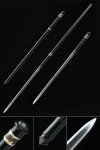
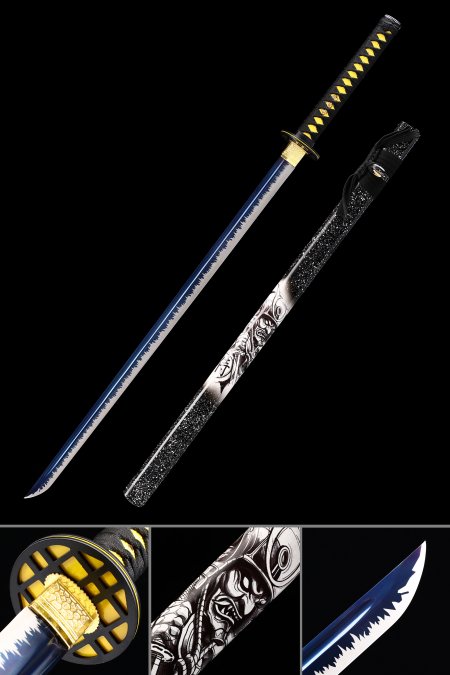
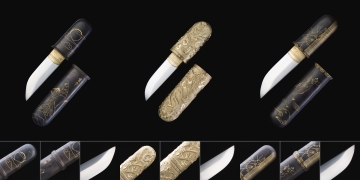
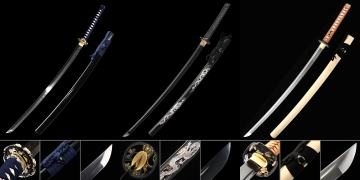
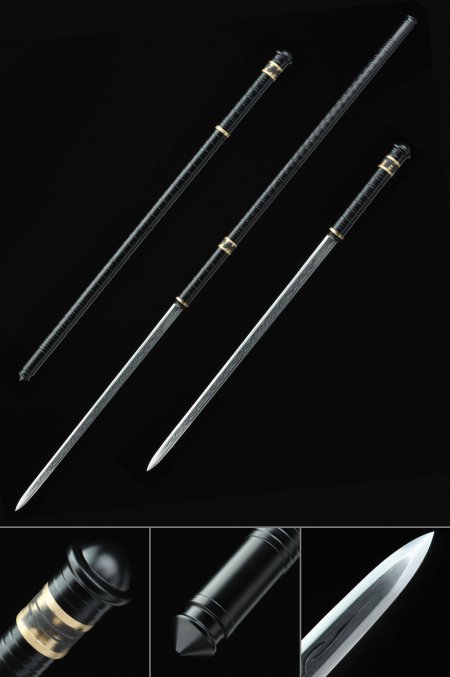
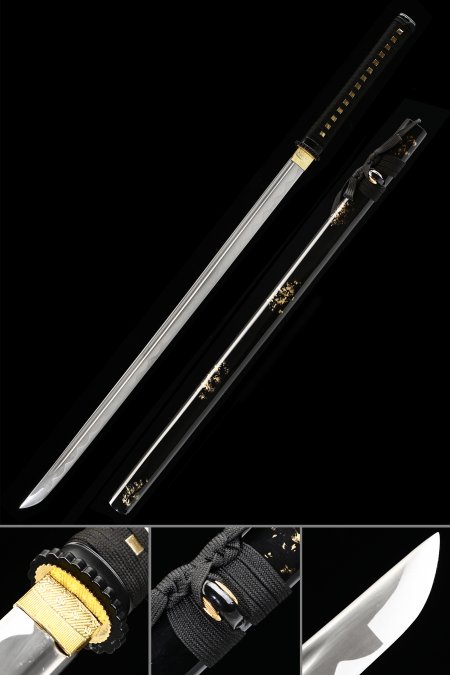
The Black Gold Handle Ninjato collection brings together straight-bladed Japanese collectibles finished in striking black-and-gold koshirae - lacquered sayas, brass or gold-foil accents, and full-tang construction that rewards close inspection. Each piece is crafted from carbon or manganese steel and assembled with the kind of detail that serious display collectors expect. Enjoy free standard shipping on every order, plus hassle-free returns for complete peace of mind.
Showing 3 Products

Frequently Asked Questions

What steel is used in black gold handle ninjato collectibles?
The pieces in this collection use two distinct steel types. 1045 high-carbon steel is a mid-range composition prized for its consistent grain structure and clean response to grinding, making it well-suited to the precise flat geometry of a straight blade. Manganese steel offers elevated toughness through its alloying elements, which stabilize the steel at a structural level - a meaningful advantage for display pieces intended to hold their geometry over years without warping or surface stress. Some manganese-steel examples in this collection feature a blue finish, achieved through controlled heat treatment or oxidation that lays a protective and visually distinctive colored layer across the flat. Both steel types suit long-term display ownership and are appropriate for collectors focused on material authenticity.
How does a ninjato differ from a katana for display purposes?
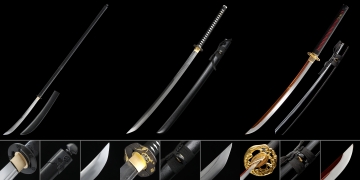
The most immediately visible difference is blade geometry. A katana follows a curved profile - the result of differential hardening that pulls the spine and edge into an arc during quenching. A ninjato is straight from tip to tsuba, with a squared or minimally tapered profile that reads as distinctly architectural on a wall mount or display stand. This straight silhouette creates a sharper visual contrast in mixed-sword displays and pairs naturally with the angular geometry of black iron sayas. For collectors arranging multiple pieces, alternating curved katana and straight ninjato forms creates rhythmic visual interest. The koshirae traditions also differ: ninjato fittings historically favored functional plainness, which in this collection is reinterpreted through black lacquer and gold accent work rather than elaborate carving.
What does full-tang construction mean in a collectible sword?
Full-tang means the steel of the blade extends through the entire length of the handle rather than ending partway up the grip. In a properly assembled full-tang piece, the steel core runs beneath the handle wrap or lacquered grip material from the tsuba all the way to the pommel fitting. This construction method is considered the benchmark for structural integrity in both functional and collectible blades. For display collectors, full-tang construction is a verifiable quality indicator - most reputable pieces allow visual confirmation at the pommel end, where the steel is visible or capped. It also means the handle will not loosen at the connection point over time, which matters when a piece is handled during cleaning, repositioning, or appraisal.
How should I maintain a lacquered saya on a display ninjato?
Lacquered sayas require a different care approach than the blade itself. The lacquer surface - whether high-gloss or matte black - is sensitive to prolonged moisture exposure, direct sunlight, and abrasive contact. Store displayed pieces away from windows where UV light can gradually dull or crack the lacquer finish. When handling, use clean cotton gloves or a soft cloth to avoid transferring skin oils, which can leave permanent marks on lacquer over time. Do not use silicone-based polishes or sprays near the saya, as these can interact poorly with the lacquer surface. For gold foil or brass accent areas, a dry lint-free cloth is sufficient for light dust removal. The blade itself benefits from a light application of choji oil or mineral oil every few months to prevent oxidation, applied with a cleaning cloth rather than sprayed directly.
Are black gold ninjato pieces good as display gifts for sword collectors?
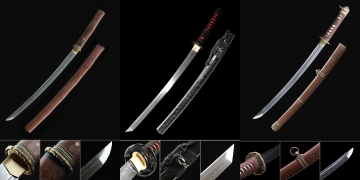
They make particularly thoughtful gifts for collectors who already own katana or wakizashi pieces and want to expand their display with a contrasting blade form. The black-and-gold koshirae aesthetic is visually cohesive with a wide range of Japanese display arrangements without being so specific in style that it clashes. The visual impact is immediate - the combination of a straight blade, deep lacquer saya, and gold accent work reads as intentional and premium even to viewers unfamiliar with blade collecting. For gift-giving, full-tang carbon or manganese steel pieces with clearly detailed fittings communicate quality in a way that is apparent on first inspection, making them well-suited for milestone gifts to someone building a serious display collection.

Customer Reviews