Free Shipping
359.00 USD

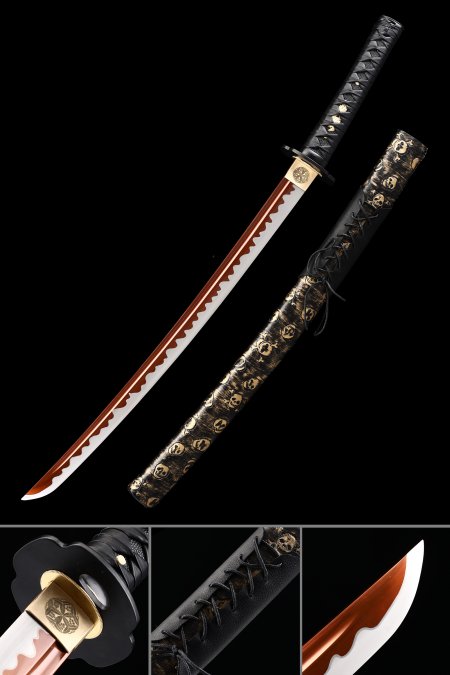
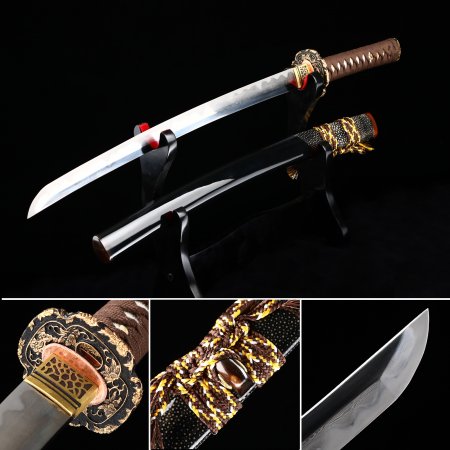
The Black Gold Tsuba Wakizashi collection brings together hand-forged short blades dressed in striking black-and-gold koshirae — a pairing that honors classical Japanese aesthetics while commanding immediate visual presence. From T10 carbon steel with authentic hamon to layered Damascus and manganese steel, each wakizashi is selected for the quality of its blade work and the refinement of its fittings. Enjoy free shipping on every order, backed by our hassle-free return policy.
Moc krásný děkuji. Jen by to mělo být ostřejší ahoj
 |
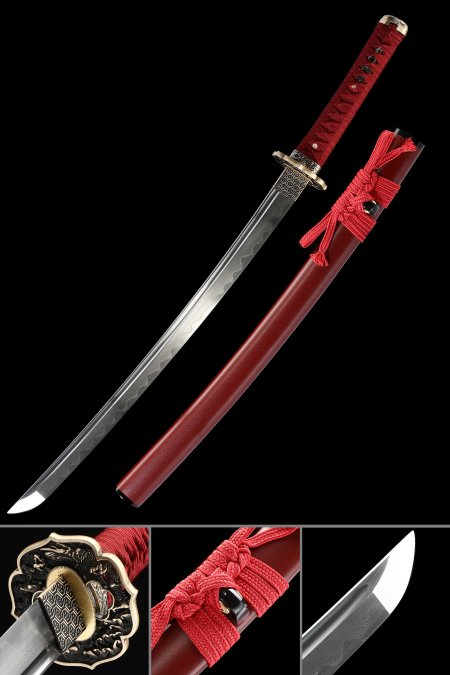
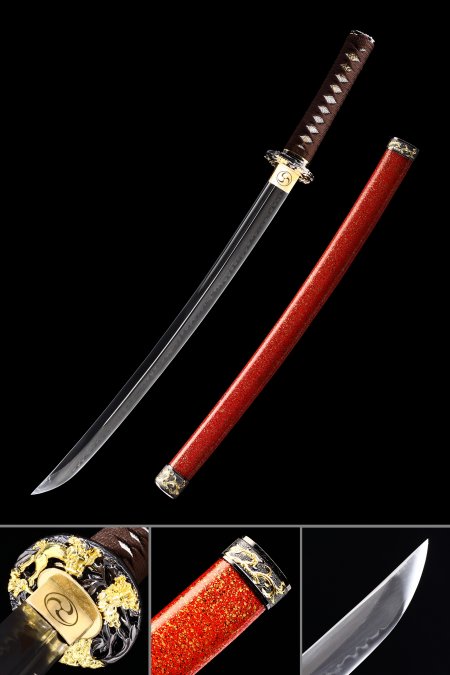
T10 Carbon Steel Wakizashi with Real Hamon in Red Lacquer Hardwood Saya - Black Tsuka |
A very beautiful short sword. It is a gift for my adult daughter and she will love it.
 |
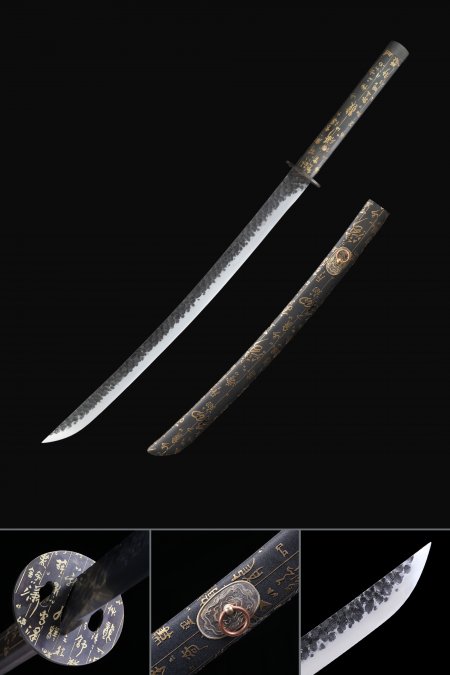
Damascus Steel Wakizashi with Real Hamon, Full Tang Blade in Black-Gold Koshirae |
Well made and very sharp. Clearly a real weapon and not a fake, brittle display toy.
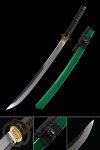 |
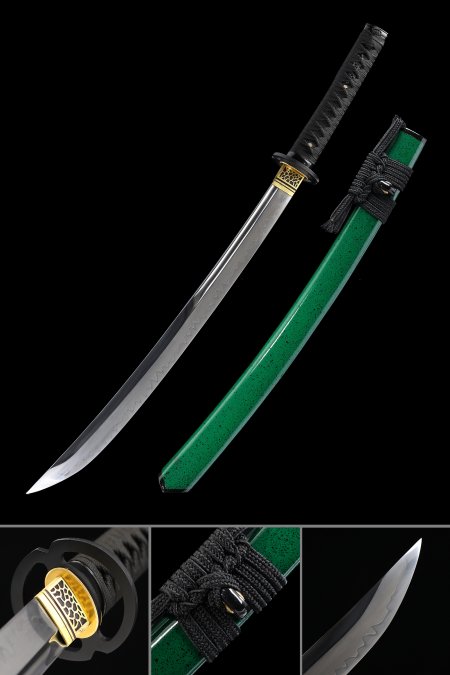
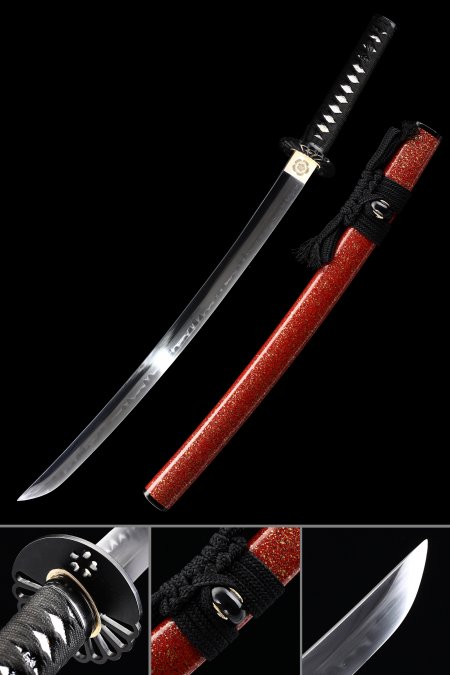
T10 Steel Wakizashi with Green Lacquer Saya - Hamon Blade, Black Cord Handle, Gold Tsuba |
Beautiful wakizashi! Light weight, wide blade, gorgeous hamon. Interesting wide Saya. Very different from other wakizashi that I have. I love it!
|
T10 Steel Wakizashi with Green Lacquer Saya - Hamon Blade, Black Cord Handle, Gold Tsuba |
First time buyer and I thought this wakizashi was worth every penny. Super sharp and stylish, balanced well and comfortable to hold with 2 hands or 1 hand. Will buy again from them!!
|
T10 Steel Wakizashi with Green Lacquer Saya - Hamon Blade, Black Cord Handle, Gold Tsuba |
Seems solid.
When I test it we"ll see
Chop a coconut and it'll cut bone.
Said Battle Ready, I wanted a sword I could fight off whatever may come.
I chose this one.
Manganese steel better hold up.
American Man
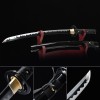 |
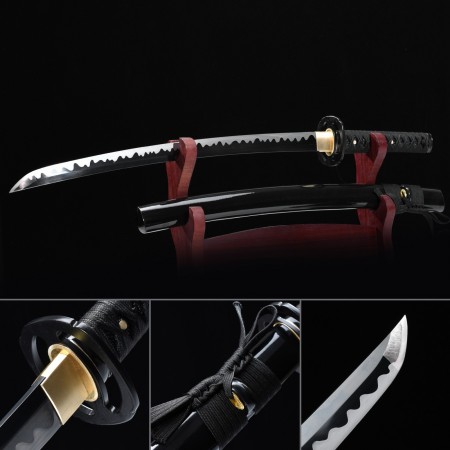
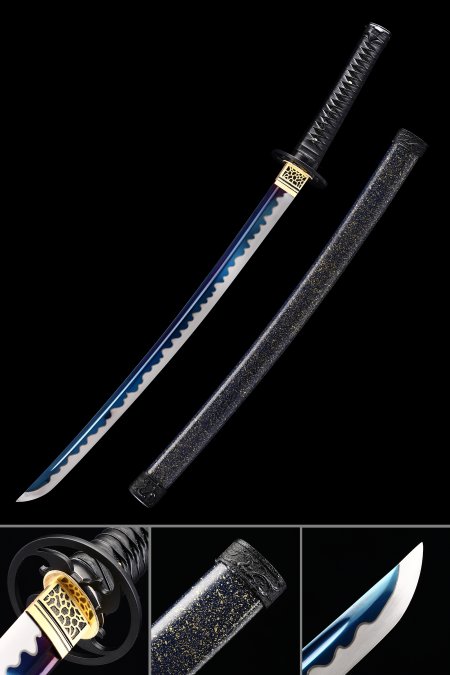
Wakizashi Sword Manganese Steel 20.47" Chrome Blade with Black Piano Lacquer Saya and Gold Tsuba |
It’s really good quality and looks exactly like the images shown :)
|
Wakizashi Sword Manganese Steel 20.47" Chrome Blade with Black Piano Lacquer Saya and Gold Tsuba |
I have hand forged knives and swords from American and Canadian craftsman of the highest quality. These swords being sold on this site are as advertised. These are master smiths forging these I'm sure of it. Stunning.
|
T10 Steel Wakizashi with Green Lacquer Saya - Hamon Blade, Black Cord Handle, Gold Tsuba |