
Bronze Tsuba Tachi
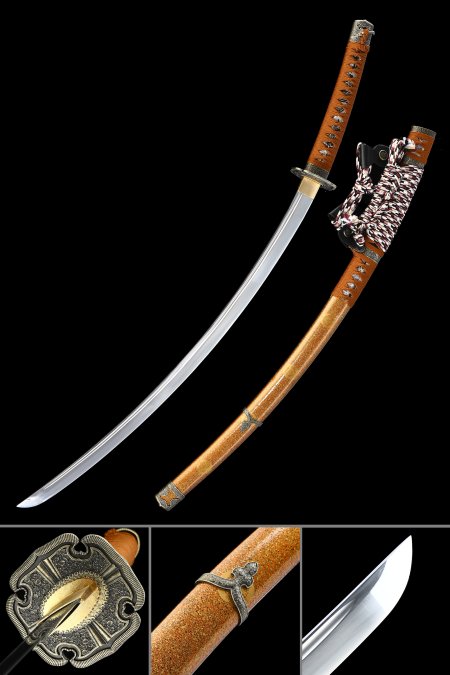
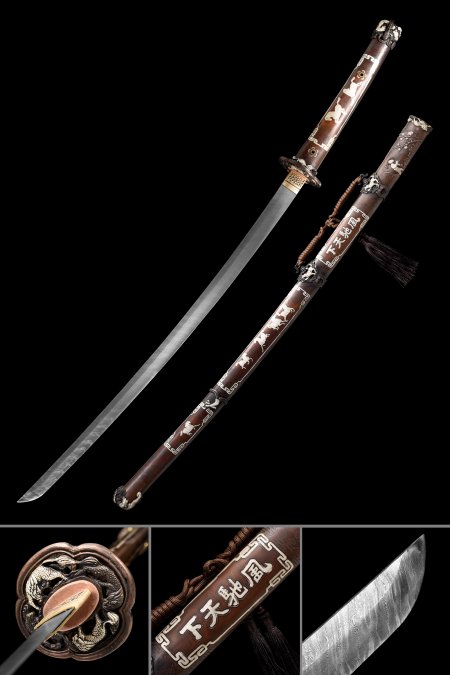
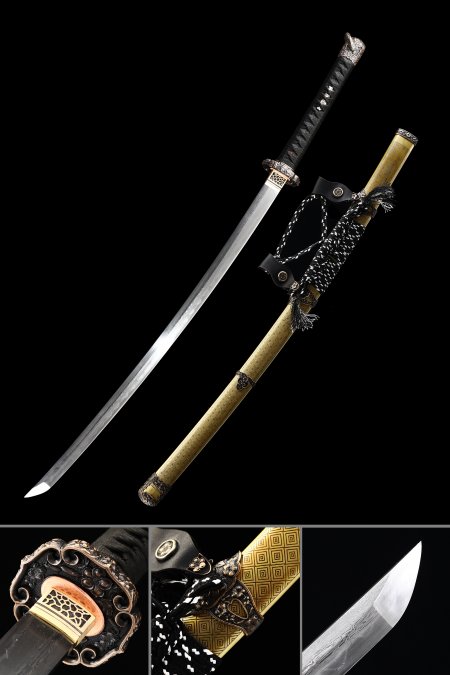
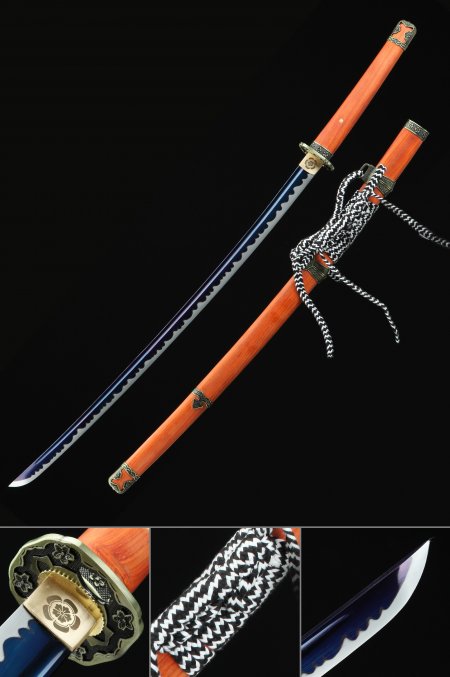
Bronze Tsuba Tachi brings together two of the most distinguished elements in classical Japanese sword craft — the elegant tachi geometry and the warm, enduring presence of cast bronze fittings. Each piece in this collection features a hand-forged blade paired with intricately detailed bronze tsuba, from chrysanthemum relief designs to dragon motifs and antique scroll patterns. These are display-grade collectibles built with full-tang construction, real hamon, and lacquered hardwood saya that honor centuries of Japanese sword-making tradition. Enjoy free shipping on your order, plus a hassle-free return policy for complete peace of mind.
Related Collections
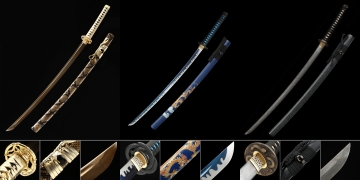
Snake Tsuba Katana41 items
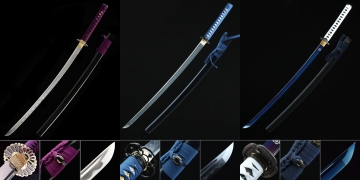
Flower Tsuba Katana61 items
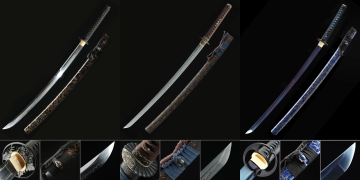
Vine Saya Katana47 items
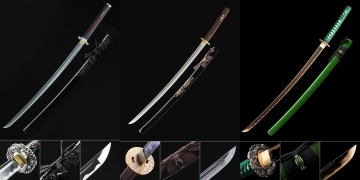
Wave Tsuba Katana40 items
Frequently Asked Questions
What makes a tachi different from a katana in terms of design?
The tachi predates the katana and was traditionally worn suspended edge-down from the belt, compared to the katana's edge-up carry position at the hip. This difference in carry orientation influenced the blade's curvature — tachi blades typically have a more pronounced, sweeping curve that begins closer to the tang. The overall length also tends to be greater, giving the tachi a more dramatic silhouette. For collectors, these design distinctions make the tachi a visually distinct centerpiece that reads as more ceremonial and historically formal than a standard katana mounting.
Why is bronze used for tsuba instead of iron or steel?
Bronze and iron tsuba represent two distinct traditions in Japanese sword fitting craft. Iron tsuba, particularly those from established schools like Myochin or Owari, were favored for their austere, understated aesthetic and were closely associated with martial culture. Bronze tsuba, by contrast, were prized for their capacity to hold fine casting detail and for the warm, amber tone they develop over time. Bronze accepts complex relief motifs — chrysanthemums, dragons, scrollwork — with greater surface fidelity than hand-chiseled iron, making it a preferred material for ornate, display-oriented koshirae where decorative richness was the primary goal.
How does Damascus steel differ from 1095 carbon steel for display blades?
Damascus steel is produced by forge-welding multiple layers of high-carbon steel, then manipulating and folding the billet to create flowing grain patterns visible on the finished, etched blade surface. The visual result is a swirling, cloud-like texture that collectors recognize as evidence of the layering process itself. 1095 carbon steel, by contrast, is a single-composition high-carbon steel valued for its ability to produce a vivid, well-defined hamon — the temper line formed during clay-coat quenching. Collectors who prioritize surface pattern tend toward Damascus; those who prioritize a dramatic, natural hamon activity often prefer 1095. Both are excellent choices for display-grade collectibles.
How should I care for a bronze tsuba to preserve its appearance?
Bronze develops a natural patina over time as copper in the alloy reacts with air and moisture — this gradual color shift from bright amber toward deeper brown or green-tinged tones is considered aesthetically desirable by most collectors and should not be aggressively cleaned away. To maintain the tsuba without disrupting natural patina development, avoid handling the bronze fittings with bare hands frequently, as skin oils can cause uneven discoloration. If cleaning is needed, a soft dry cloth is sufficient for dust. Never use abrasive compounds or chemical metal polishes, which will strip the patina and damage the surface finish. Store the piece in a low-humidity environment to prevent accelerated corrosion on both the blade and the fittings.
Are these tachi pieces suitable as display gifts for sword enthusiasts?
Bronze Tsuba Tachi collectibles make a strong gifting choice for enthusiasts who appreciate historical Japanese sword culture and decorative craftsmanship. The combination of an ornate cast bronze tsuba, a lacquered hardwood saya, and a full-tang hand-forged blade presents as a complete, high-quality display piece rather than a novelty item. The range of blade finishes — Damascus layered steel, blue-treated carbon steel, or natural hamon 1095 — and saya colors allows for a personally tailored selection based on the recipient's aesthetic preferences. For presentation, these pieces display well on a horizontal sword stand and pair naturally with other Japanese sword collectibles as part of a curated arrangement.



