FAST SHIP
14 Reviews
ON SALE 15% OFF
$159.00$189.00

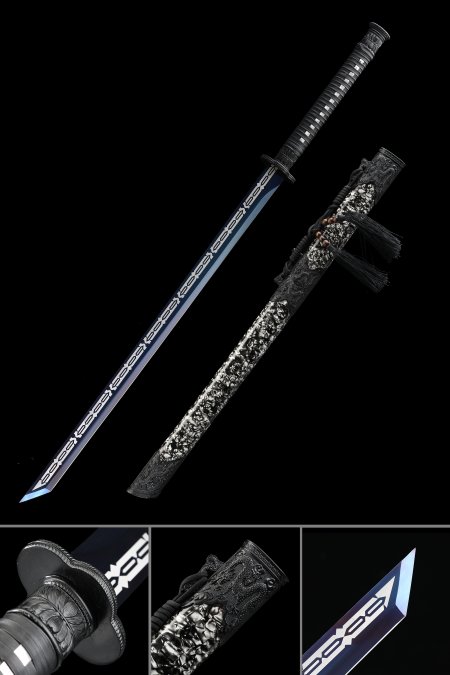
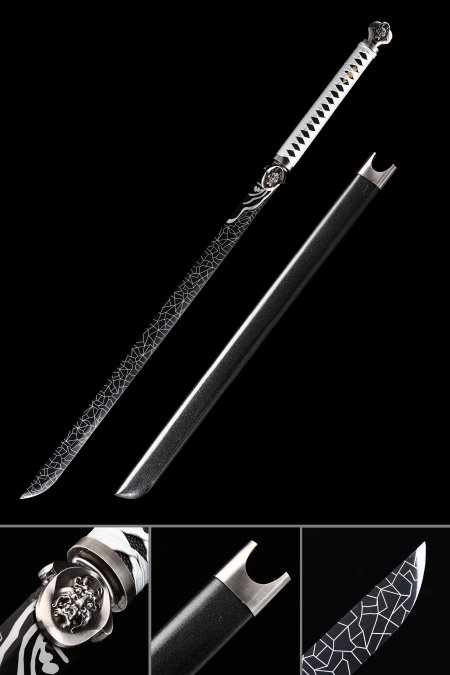
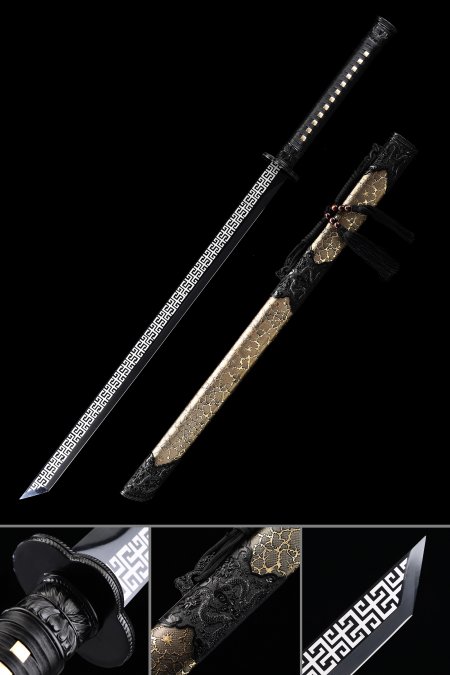
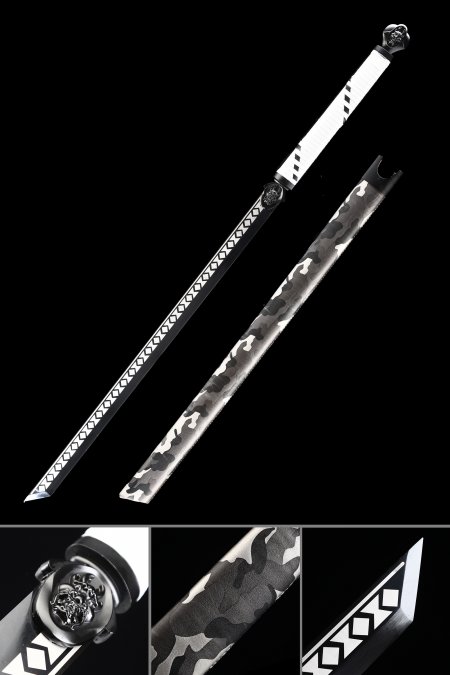
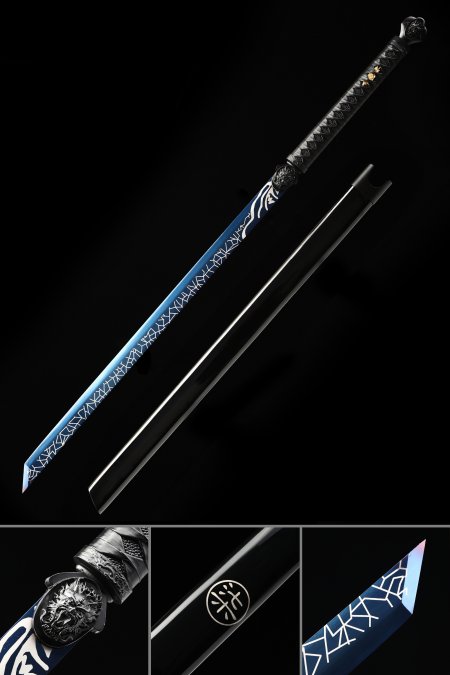
The Geometric Blade Ninjato collection brings together hand-forged manganese and high-carbon steel blades distinguished by bold engraved patterns, dramatic finishes, and ornate fittings - from dragon pommels to skull tsuba. Each piece is crafted as a full-tang collectible built to display with presence. Enjoy free standard shipping on your order, along with our straightforward return policy for added peace of mind.
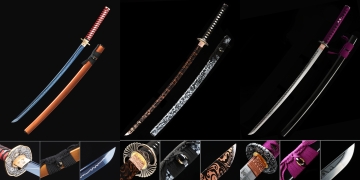
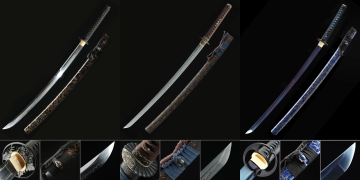
I am not a swordsman so I can't comment on how good it is but as an amateur I'm very happy it looks sturdy and made with quality materials
 |
Blue Blade Manganese Steel Ninjato Sword Full Tang with Black Leather Handle and Dragon Pommel |
I love this sword. It's my first one. I wanted a katana ever since I was a kid. I decided on ninjatu on my first order and plan to get few more in different designs and some actual katanas. I highly recommend TurKatana.com for good quality swords.
|
Blue Blade Manganese Steel Ninjato Sword Full Tang with Black Leather Handle and Dragon Pommel |
Amazing service the sword itself is beautiful and it was shipped relatively fast.
|
Blue Blade Manganese Steel Ninjato Sword Full Tang with Black Leather Handle and Dragon Pommel |
Bought the blade for a friend, he and I are very happy with it, well made, great job to the person who made it 👍
|
Blue Blade Manganese Steel Ninjato Sword Full Tang with Black Leather Handle and Dragon Pommel |
Needed one more to fill my current rack. But was really surprised by it when arrived. Great blade and absolutely beautiful.Greatest Thanks Eddie
 |
1095 Carbon Steel Straight Ninja Sword with Blue Blade, Black Cord Handle & Dragon Saya |
The ninjato that I ordered is amazing. It looks and feels very well made.
|
Blue Blade Manganese Steel Ninjato Sword Full Tang with Black Leather Handle and Dragon Pommel |
El diseño de la katana en un punto estaba mal hecho y se ve algo feo
|
Blue Blade Manganese Steel Ninjato Sword Full Tang with Black Leather Handle and Dragon Pommel |
Honestly, I was a bit skeptical as this was my first time ordering from True Katana. I could not be happier with the purchase.
The quality exceeded my expectations for the price. I constantly want to hold the sword because it just feels right.
It shipped incredibly quick and came ahead of the projections.
I will be buying another sword...the question is which one as there are so many beautiful designs to choose from.
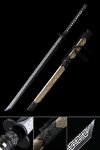 |
Manganese Steel Ninjato with Black Blade & Gold-Black Dragon Leather Scabbard - Chokuto Style |