Maroon Saya Katana
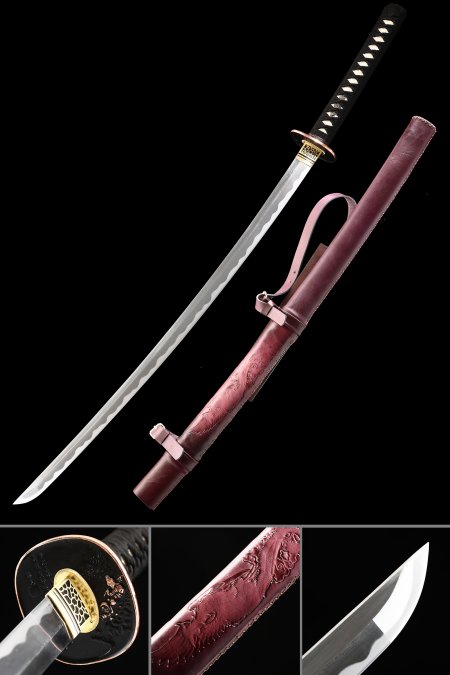
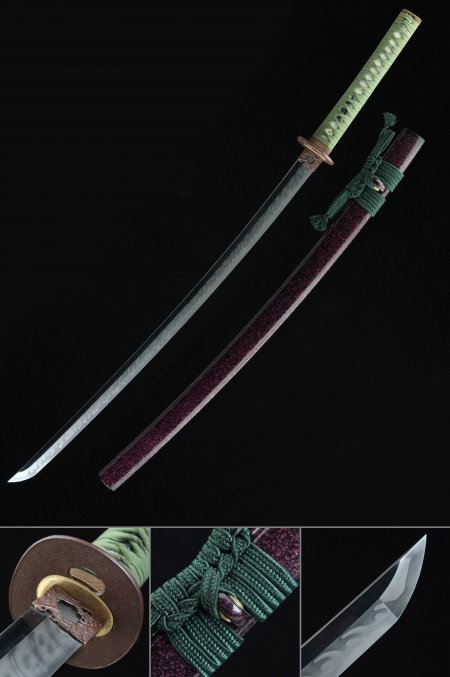
Maroon saya katana pieces in this collection pair deep burgundy lacquered or leather-wrapped scabbards with hand-forged blades in Damascus or high-carbon steel, creating a visual contrast that makes each piece a genuine display centerpiece. Every katana is assembled with period-accurate fittings — from cast bronze or engraved gold tsuba to silk and cotton ito wrapping — giving collectors a complete aesthetic statement rather than a bare blade. Enjoy free standard shipping on all orders, plus a hassle-free return policy so you can collect with confidence.
Related Collections
Dragon Tsuba Ninjato18 items
Dragon Blade Ninjato15 items
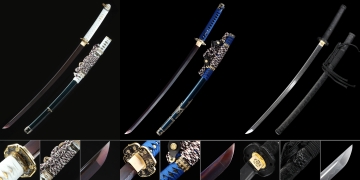
Chrysanthemum Tsuba Tachi15 items
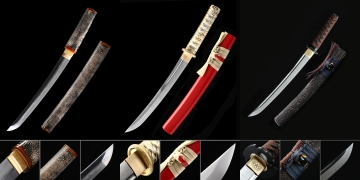
Plain Tsuba Tanto16 items
Frequently Asked Questions
What makes a maroon saya different from standard katana scabbards?
A maroon saya distinguishes itself through its deep burgundy finish, which is achieved either through layered lacquer application over a wood substrate or through leather wrapping dyed to a rich wine-red tone. Standard katana scabbards are most commonly finished in flat black lacquer or left in natural wood, both of which prioritize neutral presentation. The maroon finish has historical ties to Japanese ceremonial sword culture, where pigmented lacquerwork signaled craftsmanship investment and aesthetic intention. For display collectors, it creates an immediate visual contrast against the steel of the blade and the metalwork of the fittings, making the assembled piece more exhibition-ready without any additional accessories.
How does Damascus steel differ from T10 steel in these katana?
Damascus steel is created by forge-welding and folding multiple steel layers together, producing a blade with visible flowing patterns across its surface. These patterns are unique to each individual blade and result from the folding process itself — no two Damascus katana look identical. T10 is a single-alloy high-carbon steel containing a small percentage of tungsten, which increases surface hardness and wear resistance. T10 blades are typically clay-tempered during production, which creates a genuine hamon — the visible transition line between the hardened edge and the softer spine. While Damascus is prized for visual complexity and uniqueness, T10 is favored by collectors who prioritize metallurgical authenticity and a clean, defined hamon line.
What tsuba and ito combinations work best with a maroon saya?
Two combinations work particularly well with a maroon saya. A gold tsuba paired with black ito creates a high-contrast three-tone composition — burgundy, black, and gold — that produces strong visual hierarchy and reads clearly at display distance. This pairing suits collectors who want a piece with formal, ceremonial presence. A bronze tsuba with green ito offers a more antiqued, earthy palette; the oxidized warmth of bronze and the muted green cord complement the red of the saya without creating visual competition. Bronze fittings also tend to age with more character than gold-tone metals, which appeals to collectors interested in long-term patina development as part of the piece's evolving display quality.
How should I store and maintain a lacquered maroon saya?
Lacquered saya should be stored away from direct sunlight and significant humidity fluctuations, both of which can cause the lacquer surface to crack, fade, or peel over time. A horizontal display position on a dedicated katana stand reduces stress on the koiguchi — the scabbard mouth — and prevents warping. The blade inside should be lightly coated with a thin layer of choji oil or camellia oil before long-term storage to prevent oxidation; this is especially important for high-carbon steel blades like T10, which are more reactive to moisture than stainless alternatives. Avoid storing the blade in the saya for extended periods in humid climates, as trapped moisture accelerates surface oxidation. Wipe the exterior of the saya with a dry, soft cloth periodically to remove dust without abrading the finish.
Is a maroon saya katana a good choice as a display gift for collectors?
A maroon saya katana works exceptionally well as a gift for collectors precisely because it presents as a complete, visually cohesive piece rather than a functional tool. The distinctive color makes it memorable and specific — it reads as a deliberate choice rather than a default option. For recipients who already own katana with black or natural saya, the maroon finish adds genuine variety to a display arrangement. The combination of a hand-forged blade with period-accurate fittings means the piece has tangible craft value that experienced collectors recognize and appreciate. When selecting between the Damascus and T10 options as a gift, Damascus steel is often the stronger choice for recipients who are newer to collecting, as the visible surface patterning communicates quality immediately and intuitively.