Melaleuca Steel Wakizashi

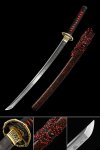
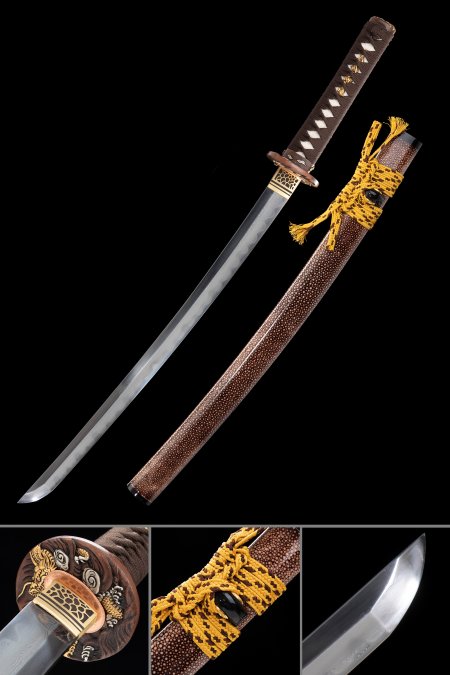
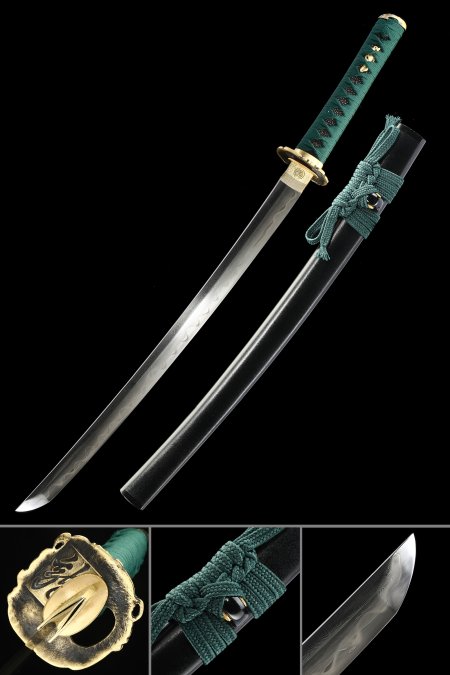
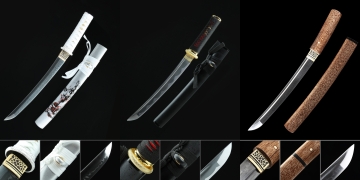
Melaleuca steel wakizashi represent one of the most visually compelling expressions of the Japanese short sword tradition. Each blade is forged through an intensive folding process that produces the hallmark layered grain - a flowing, woodgrain-like surface that collectors prize as much for its aesthetic as its structural integrity. Finished with hand-fitted fittings, genuine rayskin, and hand-lacquered saya, these pieces are crafted for display cases and serious collections alike. Every order ships free with hassle-free returns.

Showing 3 Products

Related Collections

Antique Tanto82 items


383 Reviews

Teal Katana69 items


118 Reviews

Zangetsu Sword2 items


311 Reviews

Blunt Katana7 items


82 Reviews

Frequently Asked Questions

What makes melaleuca steel different from standard folded steel?
Melaleuca steel refers specifically to folded high-carbon steel whose grain pattern - revealed during grinding and polishing - resembles the layered, flowing bark of the melaleuca tree. The visual effect comes from the repeated folding of the billet, which distributes carbon in alternating bands throughout the steel. The key distinction from generic folded steel is the density and clarity of this grain: melaleuca-pattern steel is folded to a higher layer count, producing a finer, more intricate surface texture. This is entirely a structural result of the forging process, not a surface treatment, which is why collectors regard it as a mark of genuine smithing effort rather than decoration.
Is the hamon on a melaleuca steel wakizashi real or decorative?
On the pieces in this collection, the hamon is a genuine temper line formed during differential hardening - a process where clay is applied along the spine before quenching, causing the edge to cool faster and develop a harder crystalline structure (martensite) while the spine remains tougher. The boundary between these two zones appears as the hamon. A real hamon has a soft, mist-like quality with irregular nie or nioi activity visible under raking light. Acid-etched or polished-on decorative hamon lines, by contrast, appear uniform and flat. Collectors examining a piece should look for that organic variation as a primary indicator of authentic differential hardening.
How should I oil and maintain a folded steel display wakizashi?
For a wakizashi displayed in a climate-controlled interior, a light application of choji oil every two to three months is sufficient. Apply a small amount to a soft cloth or uchiko-style ball and work it evenly across the blade surface from habaki to tip, then buff off any excess so the film is nearly invisible. Avoid silicone-based products, which can mask surface rust rather than prevent it. If the blade develops light rust spots from humidity exposure, a few passes with a lightly oiled cloth and a very fine polishing cloth can address surface oxidation without damaging the grain pattern. Never use abrasive compounds, which will permanently alter the folded steel's surface texture.
What do the tsuba motifs - dragon, tiger, snake - signify?
In Japanese decorative tradition, each of these motifs carries distinct symbolic weight. The dragon represents auspicious power, transformation, and celestial authority - a popular subject for court-influenced sword fittings during the Edo period. The tiger symbolizes courage, protection, and earthly strength, often paired with bamboo or wind motifs in classical design. The snake, depending on context, signifies wisdom, renewal (due to its shedding of skin), and in some regional traditions, financial fortune. For display collectors, choosing a tsuba motif is an opportunity to anchor the piece within a specific aesthetic or thematic narrative, making the wakizashi a coherent decorative statement rather than a generic display object.
Can a melaleuca steel wakizashi be displayed alongside a katana?
Pairing a wakizashi with a katana as a daisho - the traditional two-sword set - is one of the most rewarding display configurations for Japanese blade collectors. For visual cohesion, look for matching or complementary fittings: tsuba in the same metal tone, ito in coordinating colors, and saya in the same lacquer style or material. A melaleuca steel wakizashi with a black lacquer saya, for example, pairs naturally with a similarly finished katana bearing the same fittings palette. Mismatched pairs are historically authentic - not every samurai owned a perfectly matched daisho - but coordinated sets tend to photograph and display more harmoniously as a single composition.

Customer Reviews

Andrew Plebanski Illinois, United States

Fantastically balanced, polished, and assembled. The sword came exactly how I expected it, and functions amazingly. It is very fast, and very accurate. I have large hands and can still fit two comfortably on the handle in moments where I want to create a little extra push pull power. The quickest draw cutting blade that I have. I absolutely love this blade, and it will be with me for life. If you actually use a sword for more than wall hanging, I absolutely recommend this one.

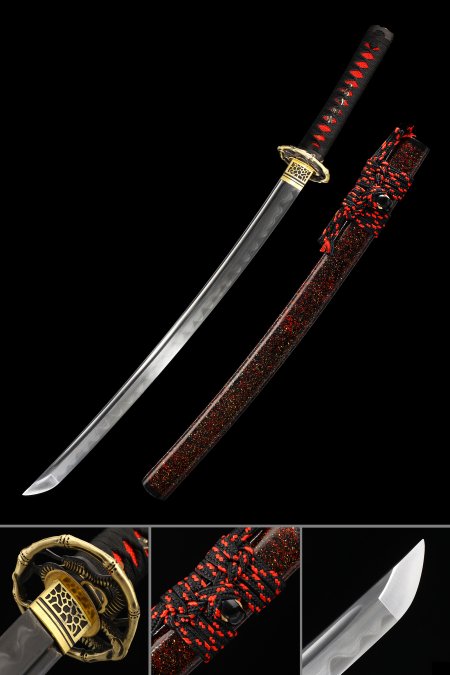
1000 Layer Folded Steel Japanese Wakizashi with Real Hamon - Red Sparkle Saya and Brass Snake Tsuba 1000 Layer Folded Steel Japanese Wakizashi with Real Hamon - Red Sparkle Saya and Brass Snake Tsuba