Orange Damascus Steel Katana
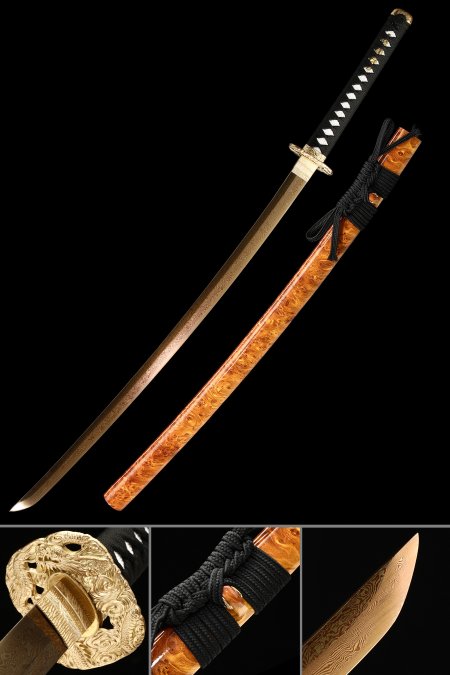
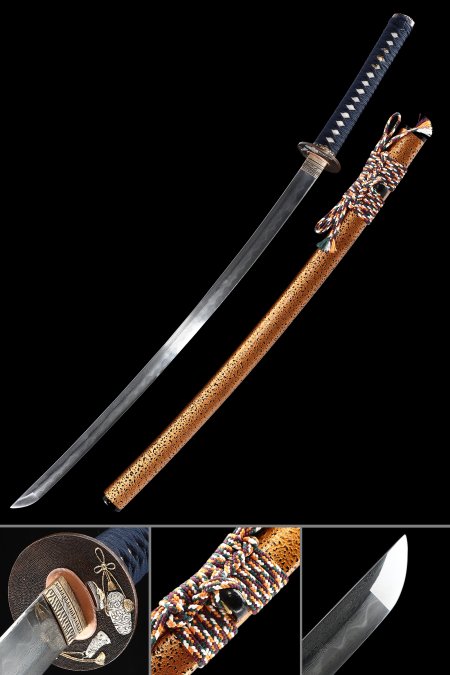
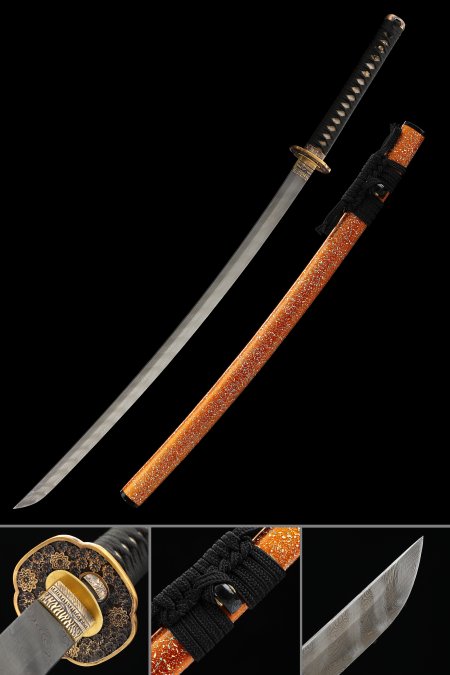
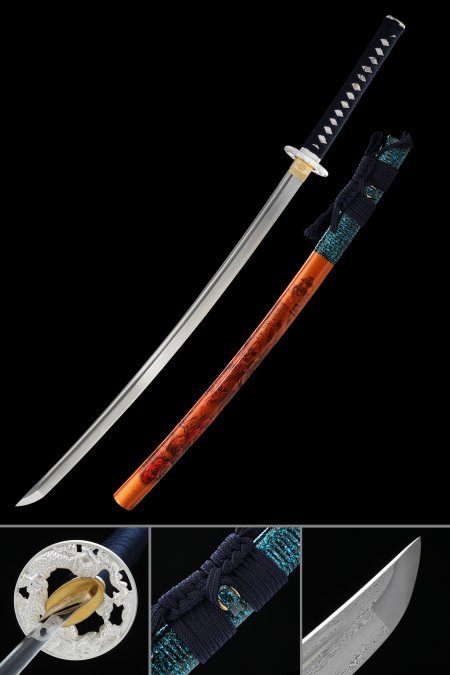
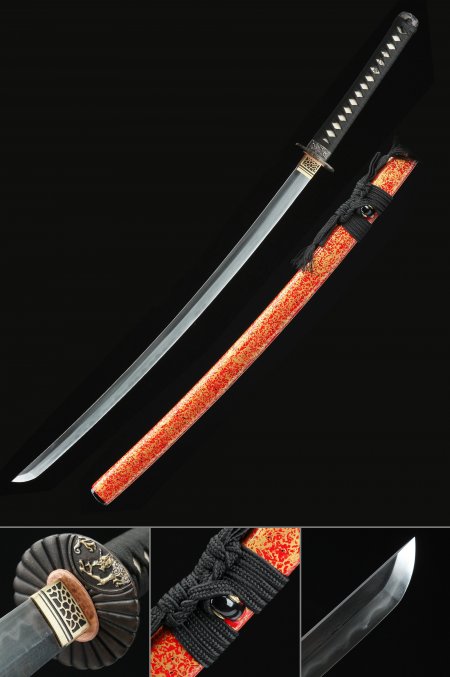
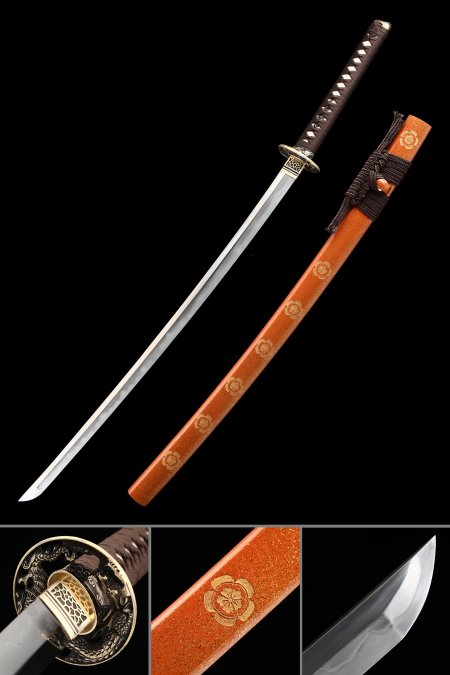
Discover our Orange Damascus Steel Katana collection — where layered Damascus patterning meets the warm, striking elegance of orange lacquer and hardwood saya. Each piece is hand-forged with a genuine hamon line, full-tang construction, and traditionally assembled fittings including dragon and chrysanthemum tsuba. Crafted for serious collectors who appreciate both visual drama and authentic detail. Enjoy free shipping on every order, with easy returns for complete peace of mind.
Related Collections
Frequently Asked Questions
What makes Damascus steel visually unique on a katana?
Damascus steel is produced by layering and folding different grades of steel repeatedly before shaping the blade. This process creates a flowing, grain-like surface pattern that becomes visible after polishing and etching. Because the folding pattern varies based on how the smith manipulates the billet, no two Damascus blades carry the same exact surface design. On a katana intended for collection and display, this means each piece is genuinely one-of-a-kind in its visual character. The pattern often resembles flowing water, wood grain, or abstract waves — qualities that have made Damascus blades prized among collectors and craftsmen for centuries.
What is a real hamon and how is it different from an etched one?
A real hamon is the visible boundary line that forms along the edge of a blade during differential hardening — a process where the edge is coated with clay before the final heat treatment, causing it to cool at a different rate than the spine. This creates a distinct transition zone, often appearing as a misty, irregular line running the length of the blade. An etched or simulated hamon, by contrast, is produced chemically or mechanically after forging and is purely cosmetic with no effect on the blade's structure. Collectors familiar with traditional Japanese swordsmithing specifically look for a genuine hamon as confirmation that the blade was heat-treated with care — it is one of the most meaningful indicators of authentic craftsmanship in a collectible katana.
How does an orange lacquer saya differ from an orange hardwood saya?
An orange hardwood saya is finished to highlight the natural grain of the timber itself. The color comes from the wood species or a stain applied to enhance the existing grain, resulting in a warm, matte surface where the material's organic character remains visible. An orange lacquer saya, on the other hand, is coated with multiple layers of lacquer to build a smooth, often glossy finish that obscures the base wood grain. Lacquered saya have a more formal and polished appearance, consistent with classical Japanese mounting traditions used in ceremonial and display contexts. Some lacquer saya in this collection also feature engraved decoration added over the lacquer layer, providing additional surface detail. The choice between the two largely depends on whether a collector prefers natural material textures or refined, formal presentation aesthetics.
Is full-tang construction important for a display katana?
Yes — full-tang construction means the steel of the blade extends as a single uninterrupted piece through the entire length of the handle. For a display collectible, this matters for two key reasons. First, it ensures structural integrity over time; the blade and handle remain securely integrated even with regular handling or repositioning in a display mount. Second, full-tang construction is the standard used in authentic traditionally assembled katana, so it carries genuine significance for collectors who care about historical accuracy and build quality. Pieces with partial or rat-tail tangs are more common in lower-grade reproductions and can feel noticeably less solid when held — a detail that experienced collectors typically notice immediately.
How should an Orange Damascus Steel Katana be stored and maintained?
For long-term display and preservation, Damascus blades benefit from a light application of choji oil or a neutral mineral oil on the blade surface every few months. This prevents surface oxidation and keeps the distinctive patterning clearly visible. The saya should be kept in a low-humidity environment; excessive moisture can affect both the wood or lacquer finish and the blade condition over time. When stored in the saya for extended periods, it is worth removing the blade periodically to ensure no moisture is trapped inside. For wall display, a horizontal or slightly angled mount away from direct sunlight is recommended — prolonged UV exposure can affect both lacquered finishes and wrapped handles. Handling the blade directly with bare hands should be minimized, as skin oils accelerate surface oxidation on polished steel.