Samurai Saya Katana
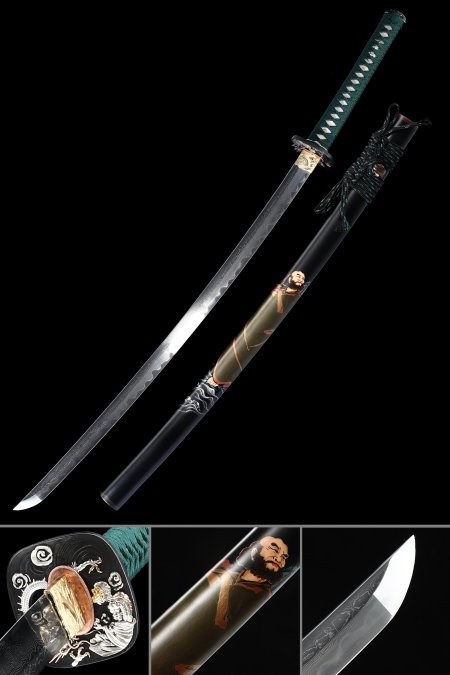
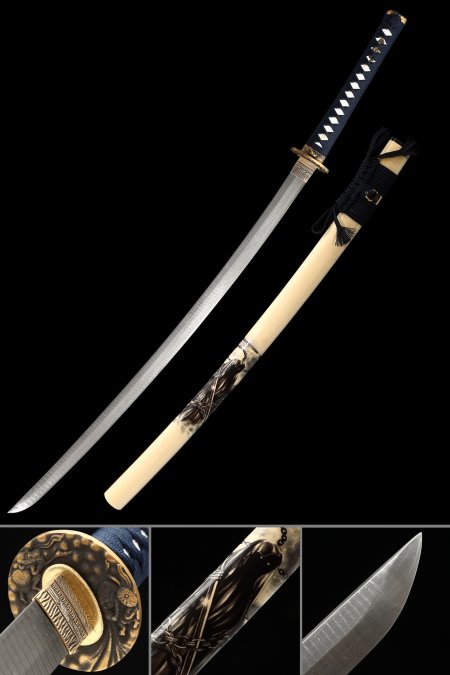
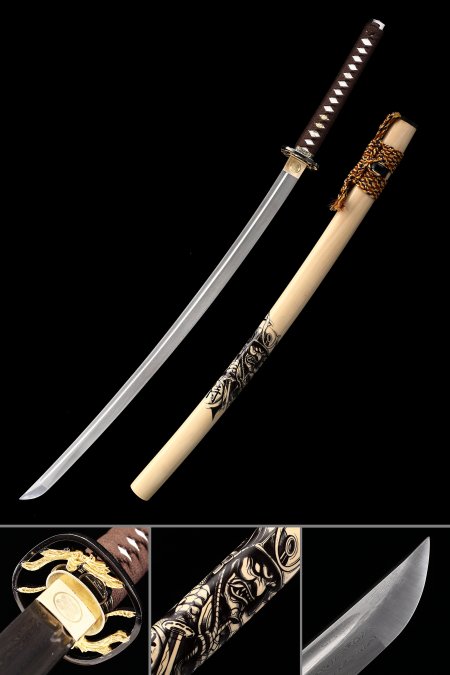
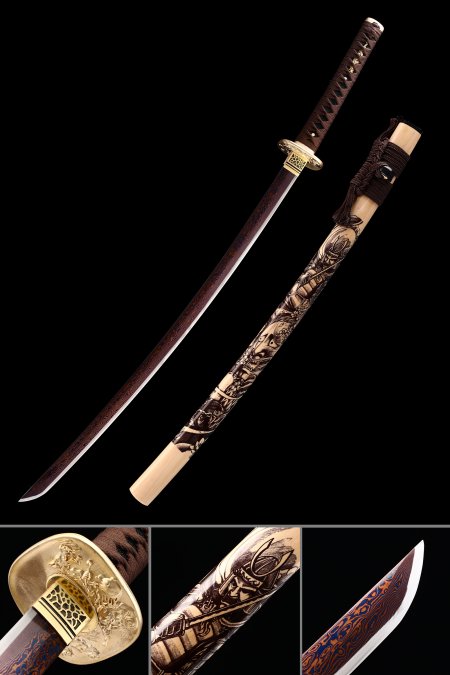
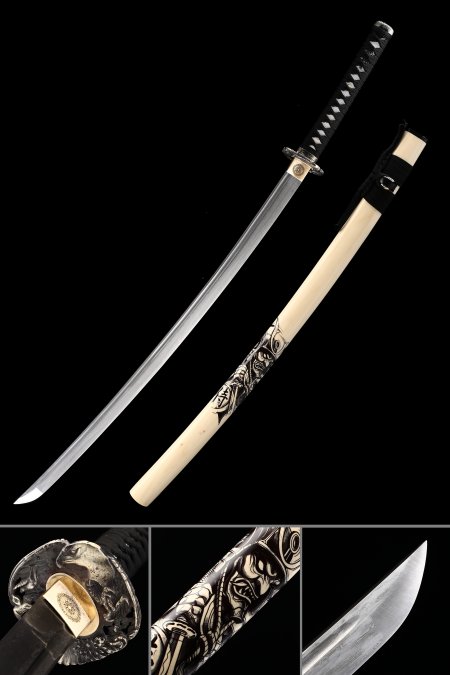
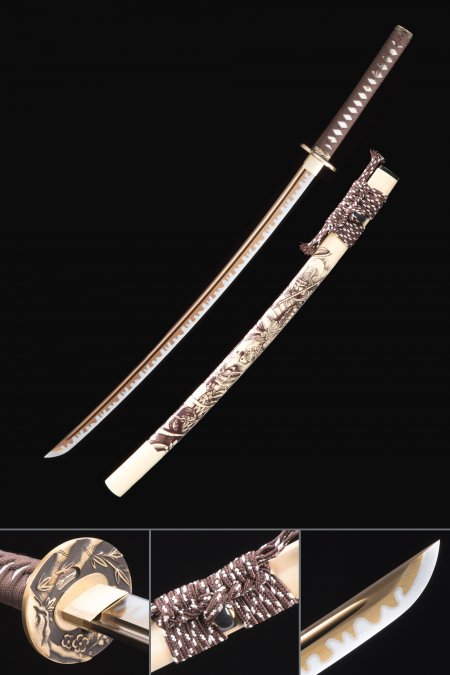
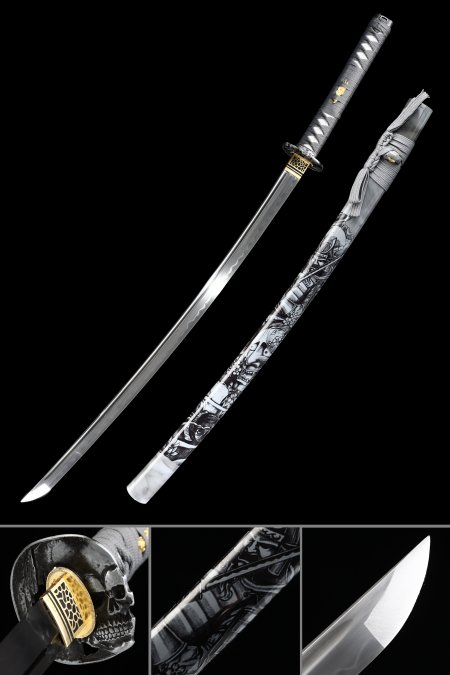
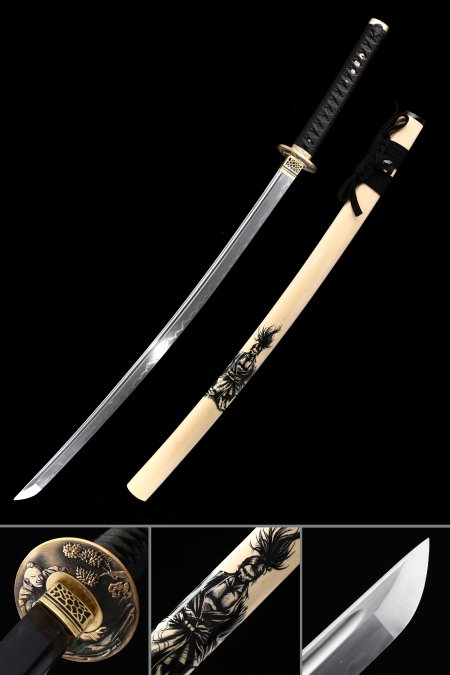
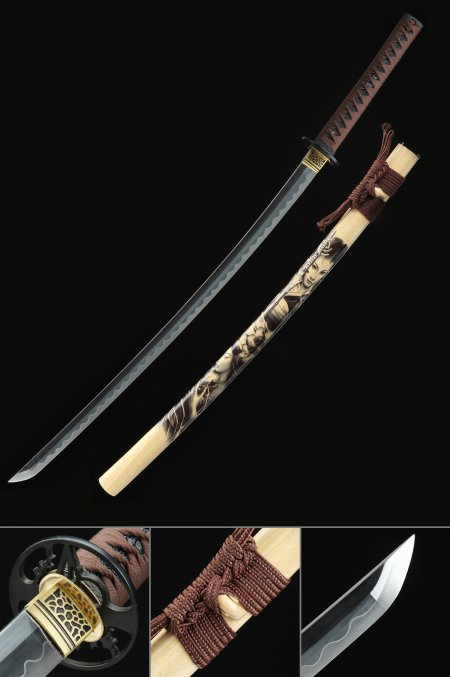
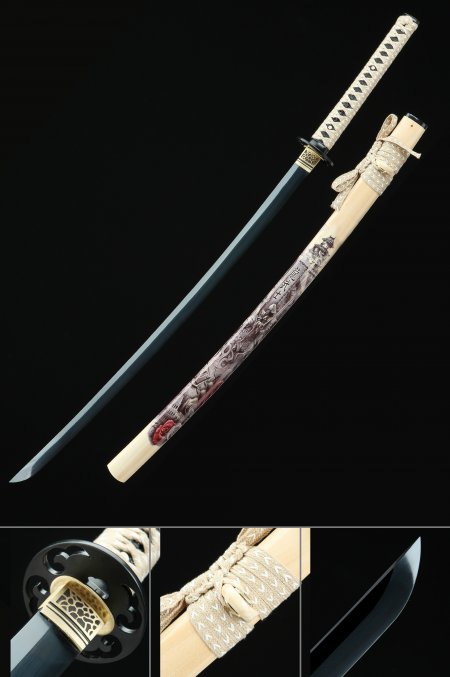
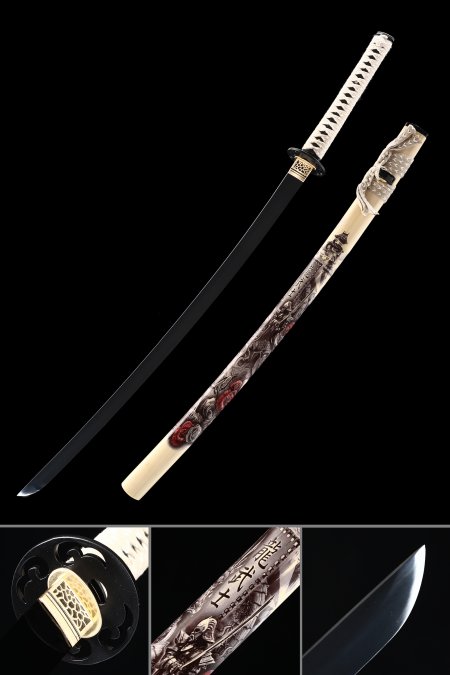
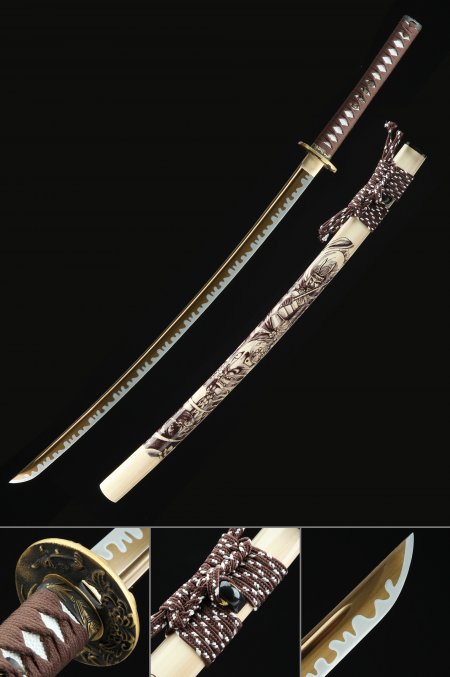
Samurai saya katana pieces in this collection pair hand-forged blades - crafted from T10, Damascus, folded Melaleuca, and high-manganese steel - with naturally finished wood scabbards featuring hand-painted samurai scenes, engraved motifs, and lacquered detail work. Each piece is a standalone display collectible, finished with matched tsuba, ito wrap, and ornamental fittings chosen to complement the saya's artwork. Free standard shipping is included on every order, along with our hassle-free return policy.
Related Collections
Frequently Asked Questions
What makes the saya on these katana collectible-worthy?
How does T10 steel differ from Damascus in this collection?
Is a real hamon only found on T10 blades?
How should I store a wood saya katana to prevent damage?
What display setup works best for a painted saya katana?
Customer Reviews
It took a little bit to get here but when it did it is deff the prittyest sward i have ! It looks perfect and feels very , very good in my hands !! I will deff be buying anouther sward from them
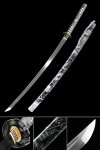 |
T10 Carbon Steel Katana with Samurai-Print Saya, Skull Tsuba in Gold-Black, Gray Ito |
Excellent merchandise, beautiful Kantana shipping was good and easy to track.
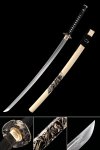 |
T10 Folded Steel Katana with Real Hamon - White Samurai Saya, Dragon Tsuba, Black Wrap |
Have purchased many swords from here, this one is stunning!
|
T10 Carbon Steel Katana with Samurai-Print Saya, Skull Tsuba in Gold-Black, Gray Ito |
Fast shipping solid katana nice and sharp only took a week to arrive very pleased
|
T10 Carbon Steel Katana with Samurai-Print Saya, Skull Tsuba in Gold-Black, Gray Ito |
I'm very happy with the craftsmanship and quality if this Katana, colors and art are beautiful.
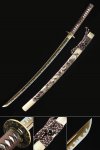 |
Manganese Steel Katana with Gold Blade - Brown-White Tsuka, Samurai Painted Beige Saya |
I've bought 8 Katanas now from TRUEKATANA. Check out my display of them.
Satisfied with the quality and detail. They attrack much attention from guest. The blades look even better. Will probably add 2-4 more I've go my eye one.
They arrived well packaged and with no damage. Shipping took a little longer than aniticipated. Happy and satisified.
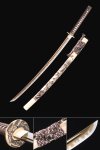 |
T10 Carbon Steel Katana with Golden Blade, Real Hamon - White Samurai Saya in Brown Tsuka |
Package was packed great. Sword was un-damaged. Tracking information was great so I knew when to expect it. Would definitely order from this site again.
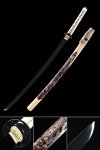 |
Manganese Steel Katana with Hand-Painted Samurai Scene Natural Wood Saya in White |
The package arrived sooner than I expected and was in great condition
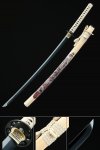 |
1045 Carbon Steel Katana with Black Blade and Manga-Themed Natural Wood Saya in Beige Wrap |