Skull Saya Katana

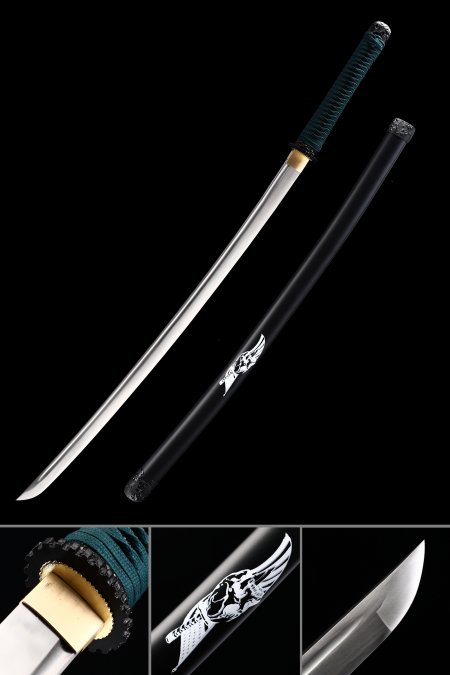
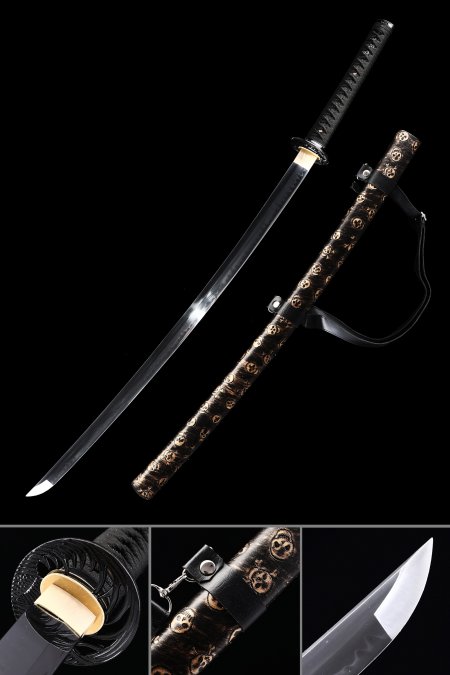
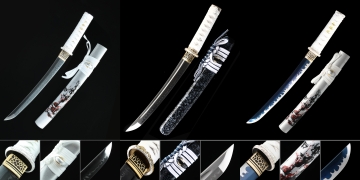
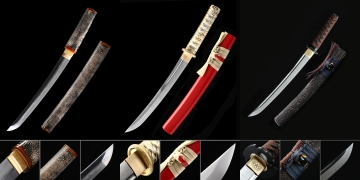
Skull Saya Katana blends centuries-old Japanese sword-making tradition with bold, gothic-inspired artistry. Each piece in this collection features hand-engraved or sculpted skull motifs on the saya, paired with quality carbon or folded steel blades and meticulously wrapped ito handles - making every sword a statement collectible worthy of display. Enjoy free shipping on your order, backed by our hassle-free return policy.
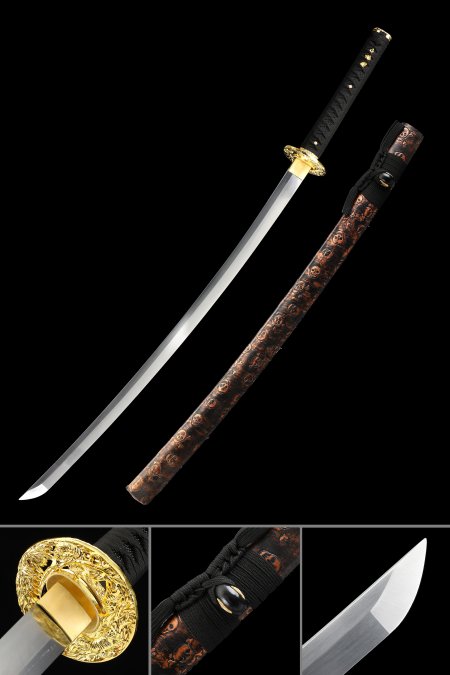
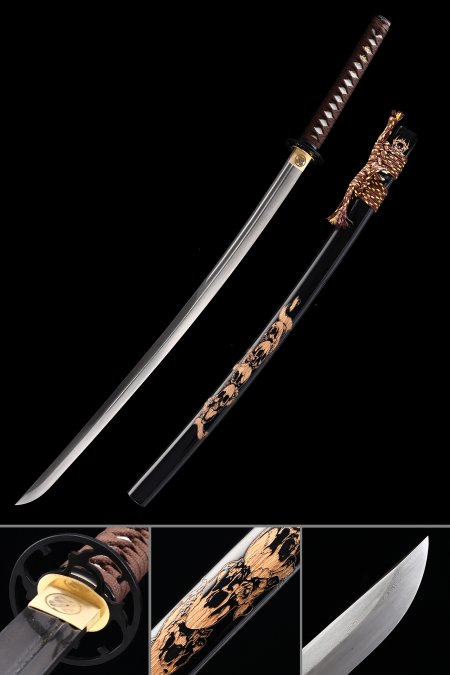
Showing 4 Products

Frequently Asked Questions

What steel types are used in Skull Saya Katana blades?
This collection spans several high-carbon steel options, each with distinct characteristics. 1065 carbon steel offers a reliable hardness balance and takes a clean polish well, making it a solid entry point for display collectors. T10 tool steel contains a small percentage of tungsten, which improves wear resistance and allows for clay tempering - a process that creates a genuine hamon (temper line) visible along the blade's surface. 1000-layer folded steel is produced by repeatedly forge-welding and folding the billet, resulting in a layered grain pattern that becomes visible after polishing. Manganese steel variants provide high toughness and a distinctive surface finish. Each steel type affects the blade's appearance, weight distribution, and long-term display characteristics differently, so your choice should reflect the visual and material qualities you value most in a collectible.
How is the skull design applied to the saya?
The skull artwork on these scabbards is executed through several distinct techniques depending on the specific piece. Some saya feature relief carving directly into the lacquered wood substrate, where the skull image is raised or recessed from the surrounding surface before the final lacquer coat is applied. Others use inlay or overlay metalwork positioned along the saya's length. Black lacquer is the predominant finish, as it both seals and preserves the wood core while creating the high-contrast dark backdrop that makes skull imagery visually striking. Brown leather-wrapped saya achieve a similar aesthetic through stitched or embossed skull detailing on the leather surface. In every case the artwork is integral to the scabbard's construction rather than a surface decal or aftermarket addition, which matters considerably for display longevity.
How should I store and maintain a skull saya katana on display?
Long-term display care for a carbon steel katana centers on three concerns: moisture, oil maintenance, and UV exposure. Carbon and high-carbon steel blades will develop surface oxidation if left unprotected in humid environments. Apply a thin, even coat of mineral oil or traditional choji oil to the blade every one to three months, wiping away excess with a clean lint-free cloth. Store or display the sword horizontally or blade-edge upward in a low-humidity room, ideally below 60% relative humidity. Avoid positioning the display mount near windows with direct sunlight, as prolonged UV exposure can fade lacquer finishes on the saya over time. The lacquered saya itself requires no regular oiling, but inspect it periodically for chips or cracks that could expose the underlying wood to moisture.
Do these katana have full-tang construction?
Yes. All pieces in this collection are built with full-tang construction, meaning the steel of the blade extends the full length of the handle rather than terminating partway through it. The tang passes through the tsuka (handle) and is secured by one or more mekugi - small bamboo or wooden pegs inserted through aligned holes in the tsuka and tang. This construction method is the traditional standard for Japanese swords and provides the structural connection between blade and handle that makes for a secure, durable display piece over many years. When evaluating any collectible katana for long-term display, full-tang construction with proper mekugi retention is the most important structural feature to confirm.
What display accessories pair well with a skull saya katana?
A skull saya katana with black lacquer and dark hardware pairs naturally with a two-tier or three-tier katana display stand finished in black or dark walnut, which keeps the visual focus on the sword itself rather than the mount. For wall display, horizontal single-sword wall mounts in wrought iron or blackened steel complement the gothic aesthetic particularly well. Collectors building a themed display often pair a skull saya piece with a contrasting traditional katana - such as a plain white shirasaya variant - to create visual tension between minimalism and ornamentation. A small silica gel packet placed inside the display case or near the sword stand helps maintain stable humidity around the blade, especially useful in climate-variable storage environments.

Customer Reviews