What exactly is tamahagane steel and how is it made?
Updated Feb 2026
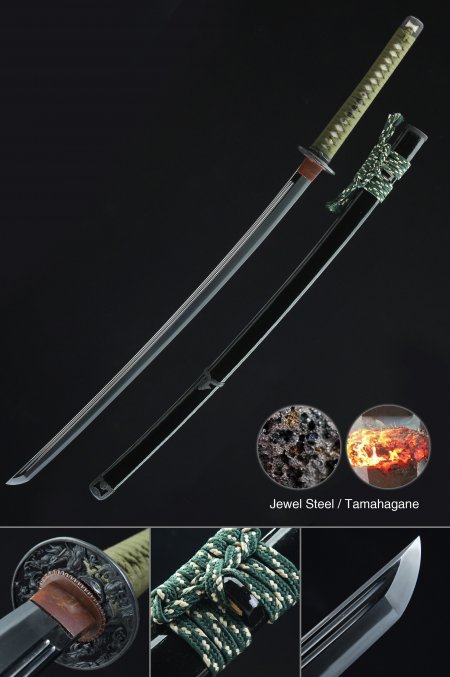
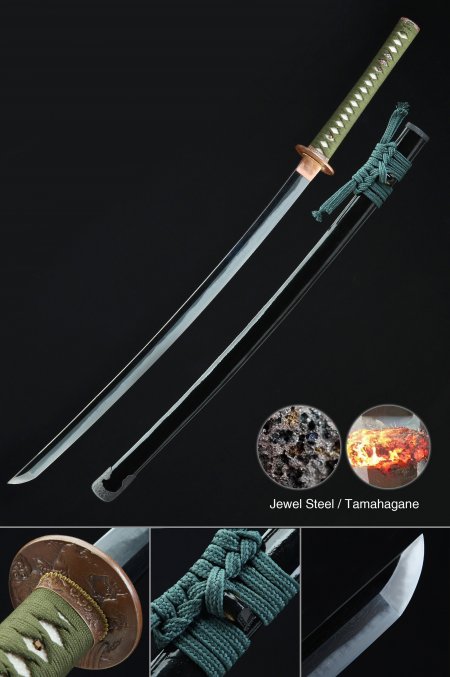
Tamahagane translates roughly to "jewel steel" and is produced in a tatara — a traditional clay furnace that stands about four feet tall. Over a continuous burn lasting approximately 72 hours, smelters feed measured loads of iron sand (satetsu) and hardwood charcoal into the furnace in alternating layers. The charcoal provides carbon while generating the intense heat needed to reduce the iron sand. Because the tatara never reaches full liquid-melting temperatures, the resulting bloom (kera) is a spongy mass containing steel of varying carbon levels alongside trapped slag. A master smith breaks apart the kera, sorts fragments by carbon content based on color and fracture grain, then selects pieces typically ranging from 0.6% to 1.5% carbon for blade work. This labor-intensive origin is why tamahagane remains one of the rarest steelmaking materials in the world and why blades forged from it carry significant collectible prestige.