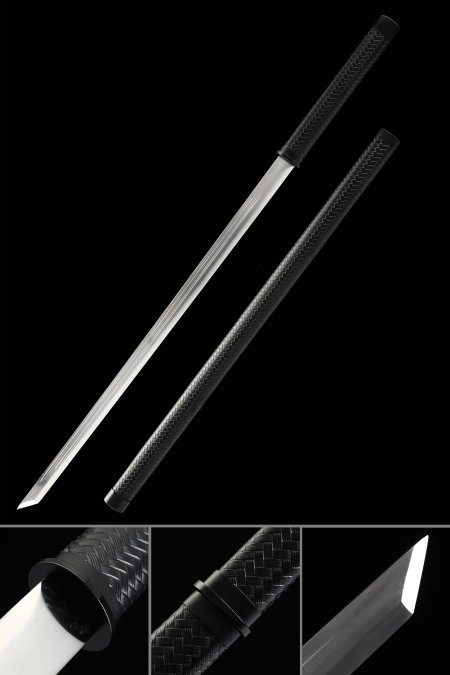
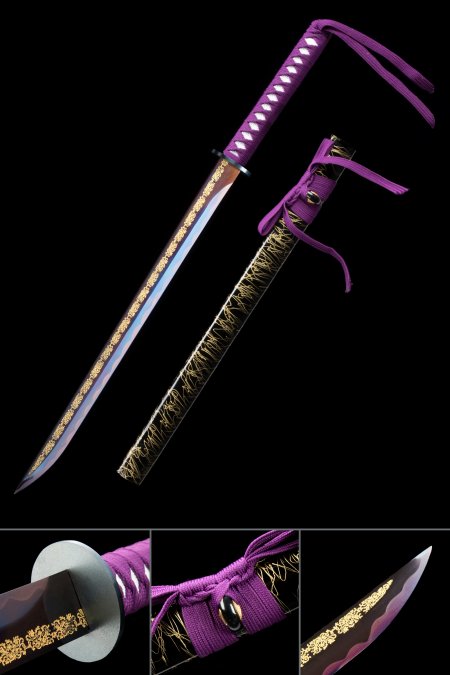
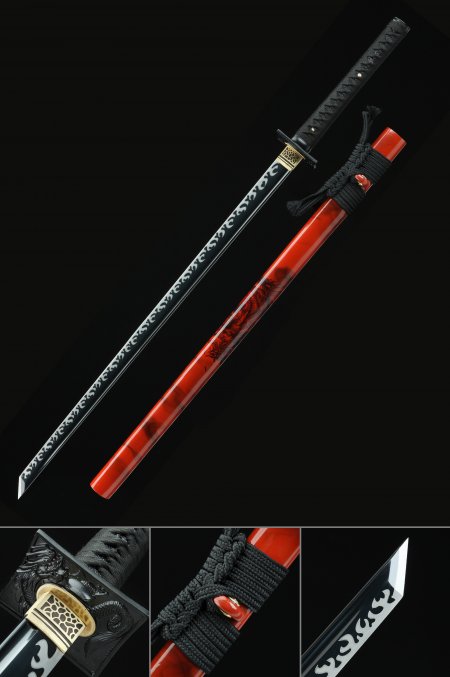
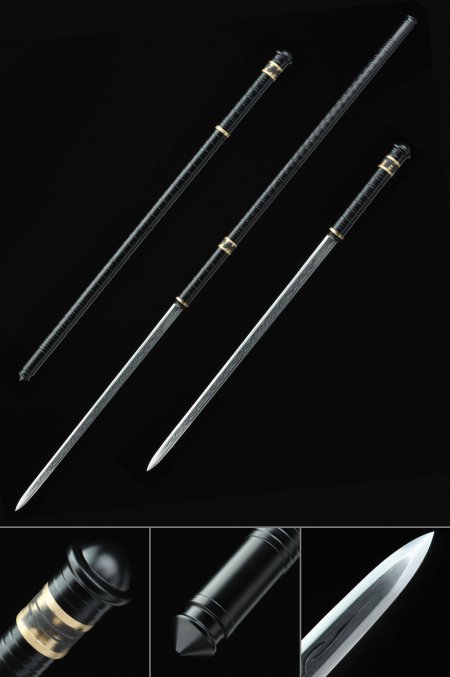
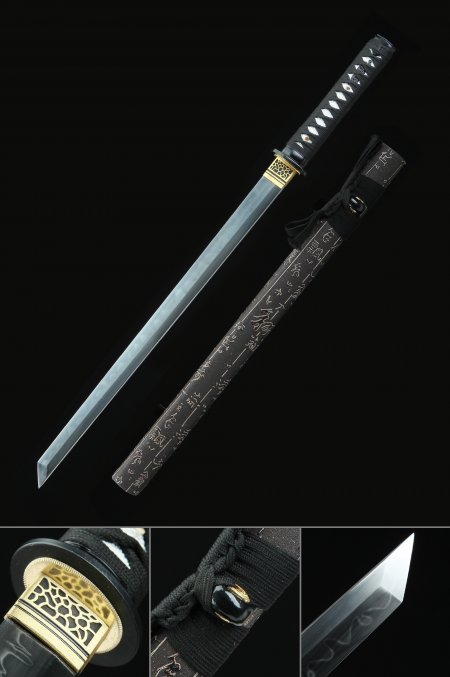
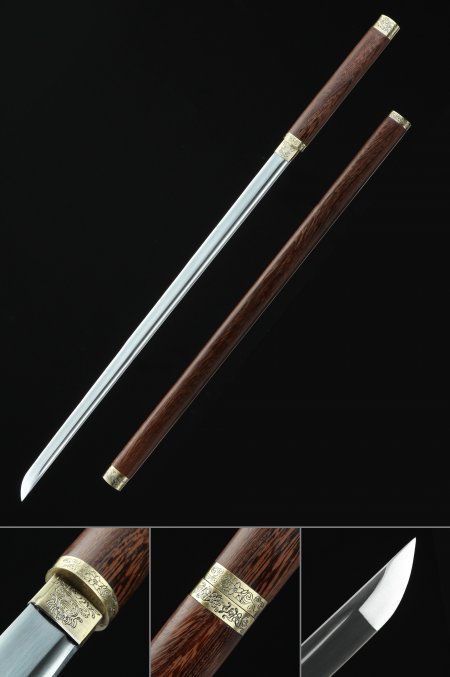
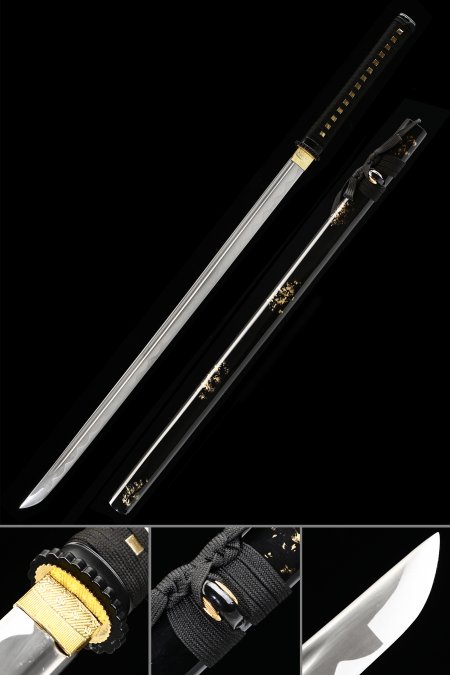
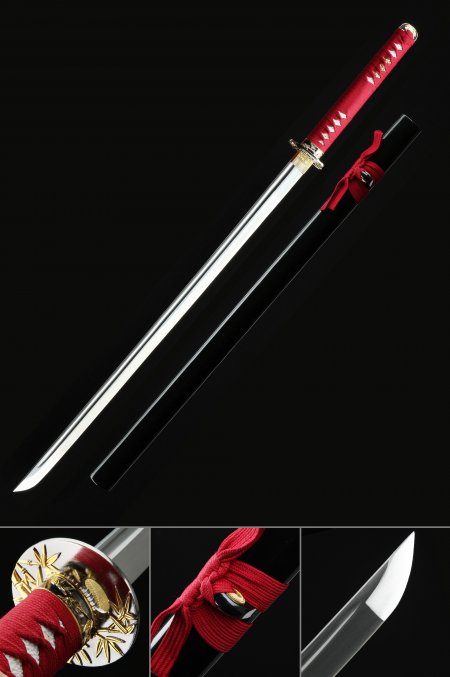
Is the white finish on these ninjato purely cosmetic?
Updated Feb 2026
Not entirely. The white saya is created by applying multiple layers of lacquer over a wood-core scabbard. While the color itself is an aesthetic choice, the lacquer serves a practical function: it seals the wood against humidity fluctuations that could cause warping or cracking over time. A well-lacquered saya also prevents interior moisture from reaching the blade during storage. The tsuka-ito wrap, when white, is typically made from synthetic silk or cotton cord chosen for colorfastness so it resists yellowing. So while the white theme is visually driven, each finishing material still fulfills a protective role in preserving the sword as a collectible.