Why is folded steel stronger?
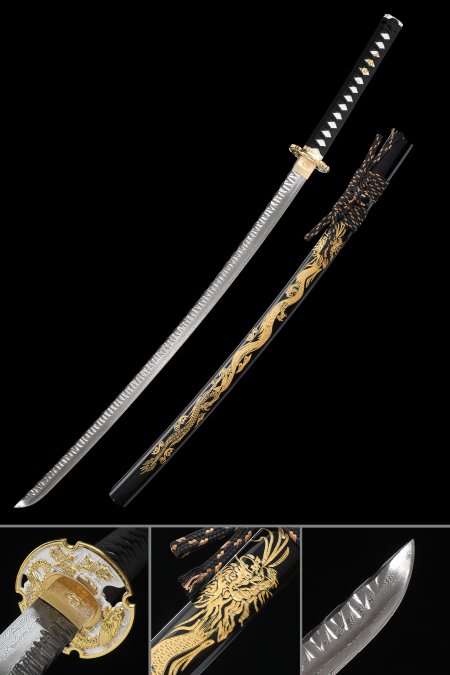
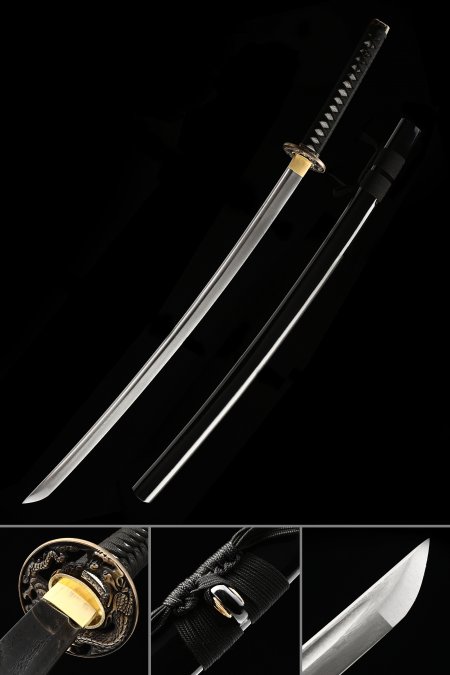
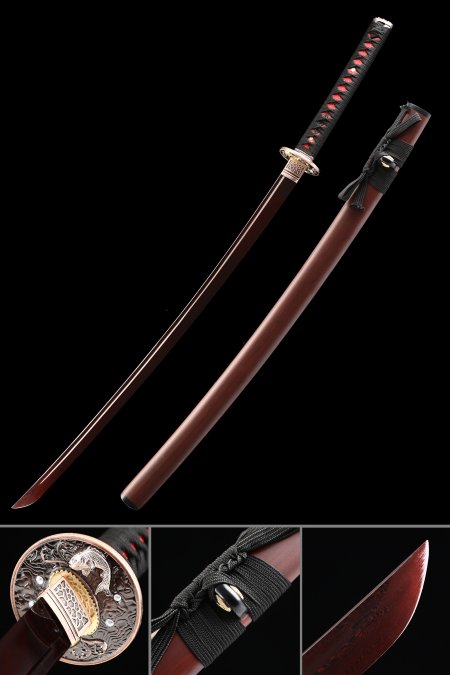
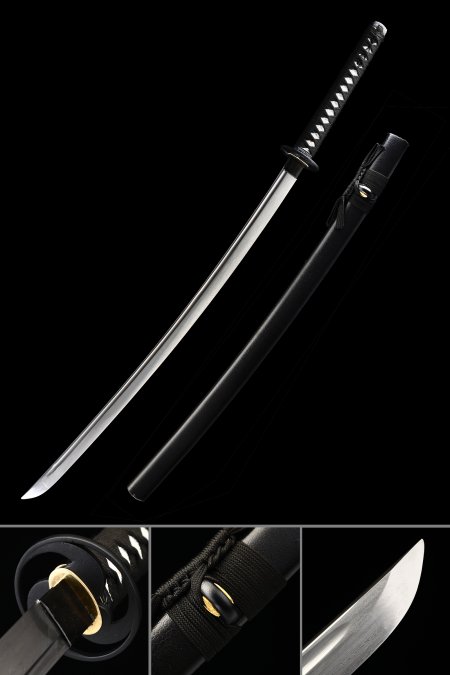
The process of folding steel is traditionally associated with Japanese swordmaking, particularly for creating blades like katanas. Folding involves layering the steel multiple times and then forging it together through repeated heating and hammering. This technique is believed to enhance the strength and performance of the resulting blade. Here are a few reasons why folded steel is considered stronger:
- Homogeneity: The folding process helps to distribute impurities and inconsistencies within the steel more evenly. By repeatedly folding the steel and hammering it together, any impurities or defects are spread out and become less concentrated in a single area. This can contribute to a more homogeneous material with fewer weak points, resulting in improved overall strength.
- Grain Refinement: Folding increases the number of layers in the steel, leading to a higher number of grain boundaries. These grain boundaries act as barriers to crack propagation and provide more points of resistance against fractures. The finer grain structure achieved through folding can enhance the blade's strength and resistance to failure.
- Elimination of Laminations: Laminations or delaminations can occur in the steel during the initial stages of forging. By folding the steel, these laminations are compressed and eliminated, resulting in a more solid and consolidated structure. This consolidation helps to improve the structural integrity and strength of the blade.
- Improved Consistency: The repeated folding and hammering process also helps to ensure a consistent composition and microstructure throughout the blade. This consistency helps in achieving predictable and desirable mechanical properties, enhancing the overall strength and performance of the folded steel.
It's important to note that while folding steel can enhance its strength and performance, the quality of the steel itself, as well as other factors such as heat treatment and the skills of the swordsmith, also play critical roles in determining the final strength and performance of the blade.
While folding steel is commonly associated with Japanese swordmaking, it's worth mentioning that modern steel manufacturing techniques have advanced significantly, allowing the production of high-quality, homogeneous steels without the need for folding. Different steel alloys and manufacturing processes can offer comparable or even superior strength and performance to folded steel, depending on the specific requirements and applications.