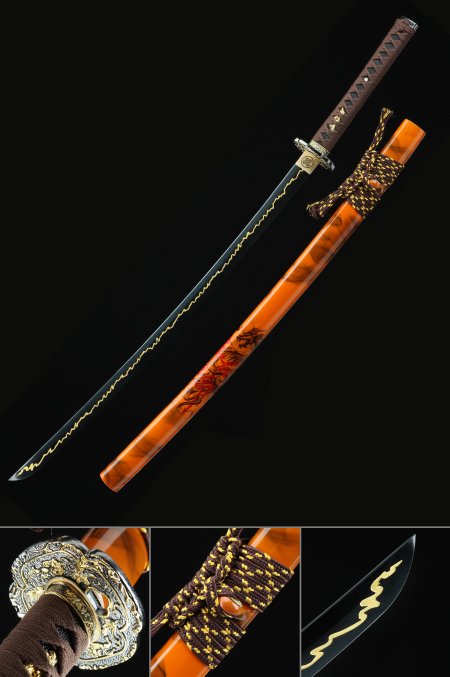
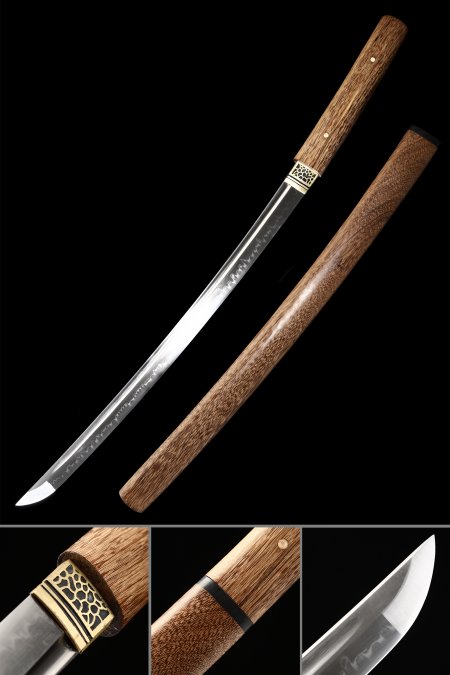
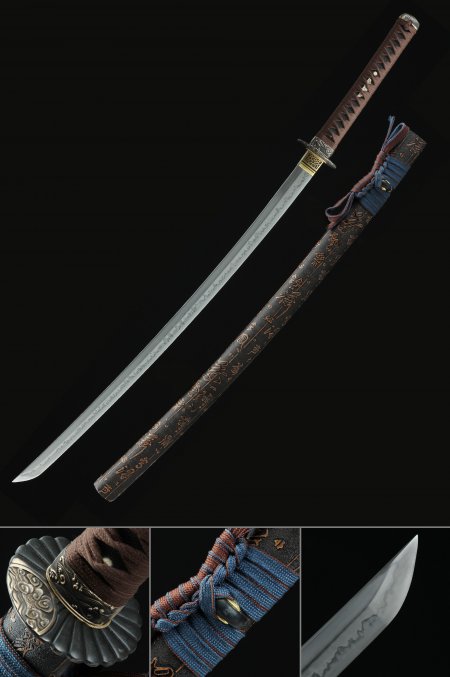
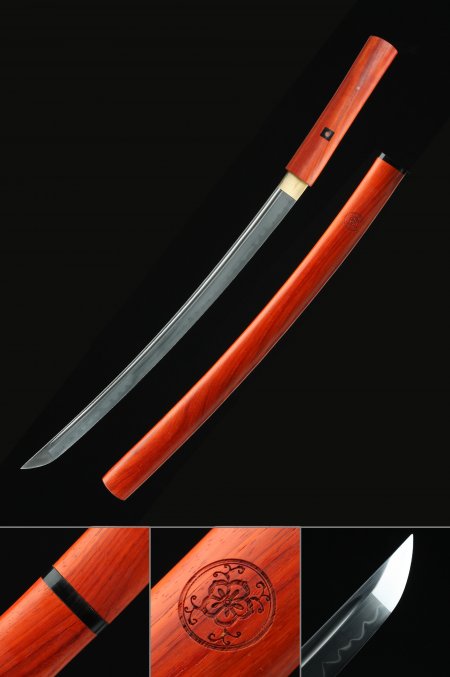
How does clay tempering affect a katana blade's appearance?
Updated Mar 2026
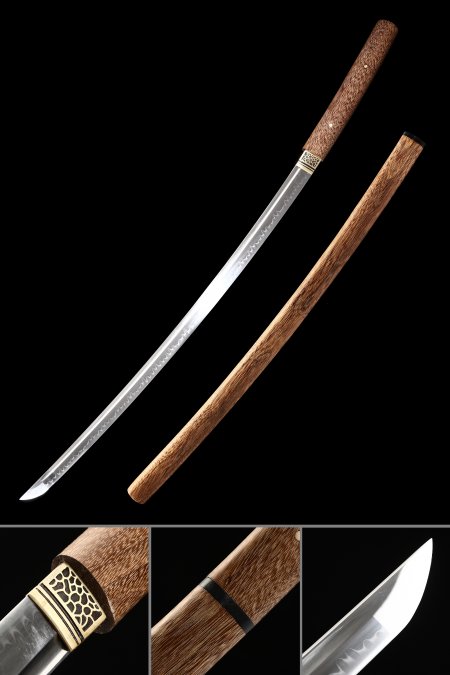
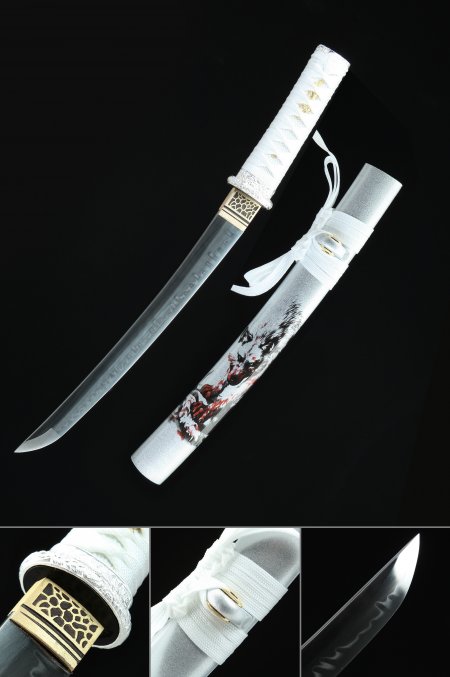
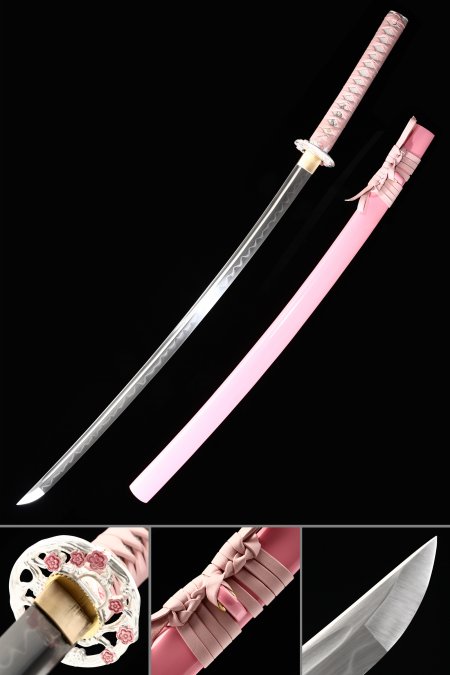
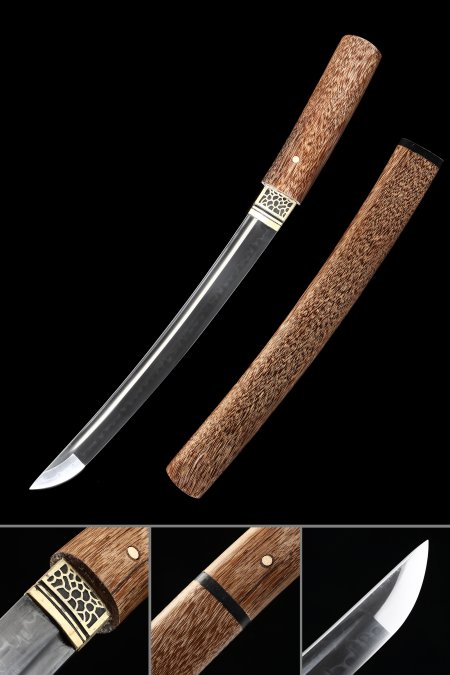
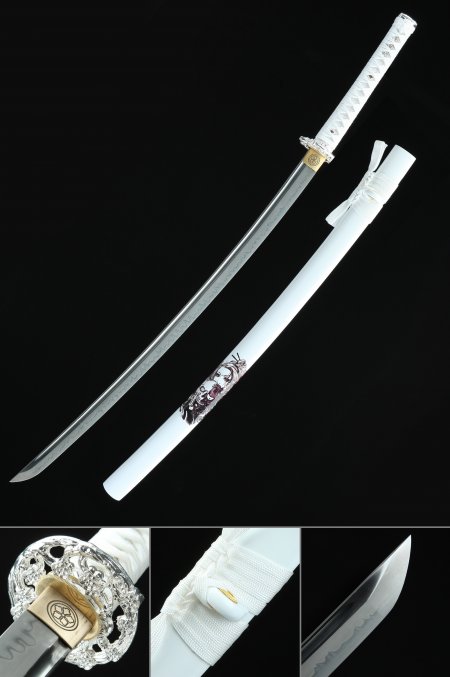
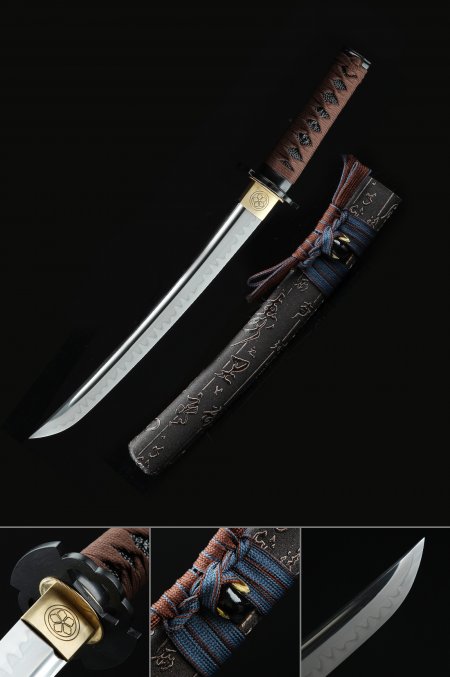
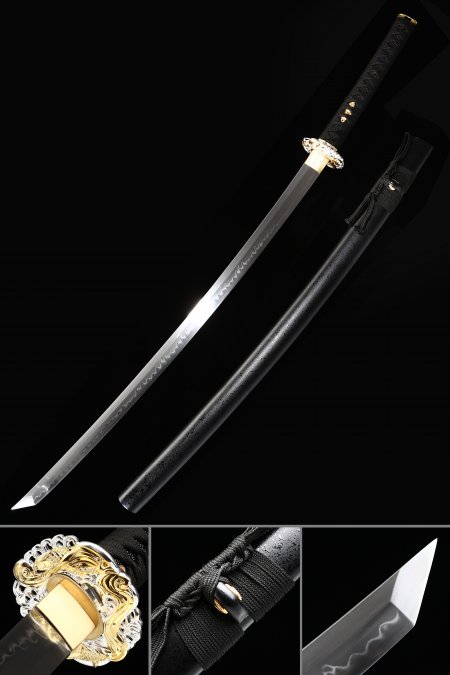
Clay tempering, or tsuchioki, involves coating the blade spine with a thick layer of refractory clay before the final quench, while leaving the edge exposed or lightly coated. When the blade is plunged into water or oil, the exposed edge cools rapidly, forming a hard martensitic structure, while the clay-insulated spine cools slowly and remains tougher and more flexible. The boundary between these two zones crystallizes into the hamon — a visible temper line that runs the length of the blade. On T10 steel, the high carbon content and fine carbide structure produce particularly defined, bright hamon with activity such as nie (glittering martensite crystals) and nioi (a misty boundary effect). This is a permanent metallurgical feature, not a surface treatment, and it is one of the primary markers collectors use to evaluate blade authenticity and craftsmanship quality.