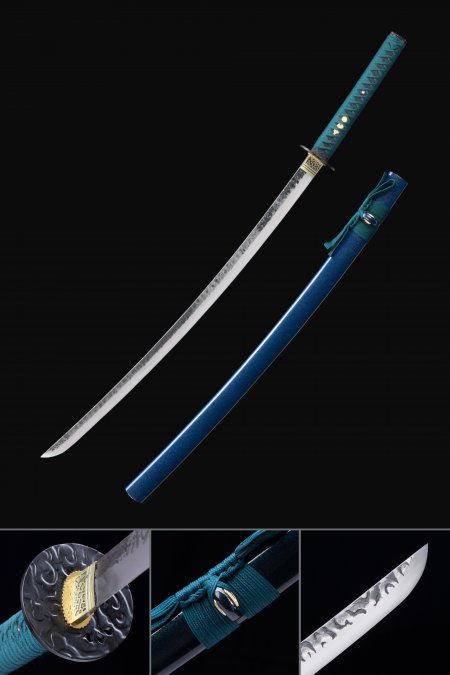
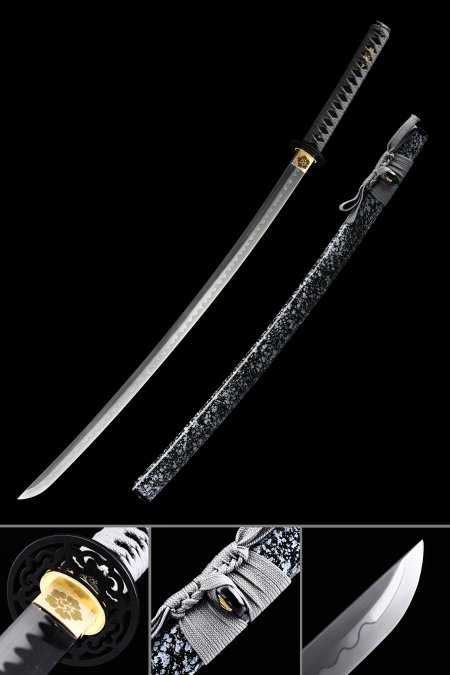
What makes a cloud tsuba different from other guard styles?
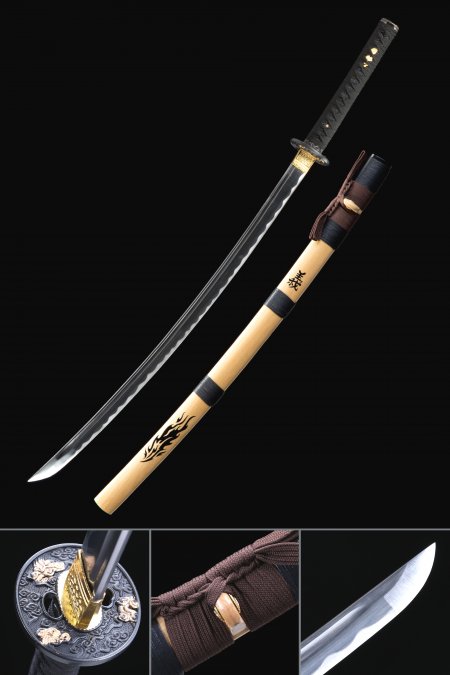
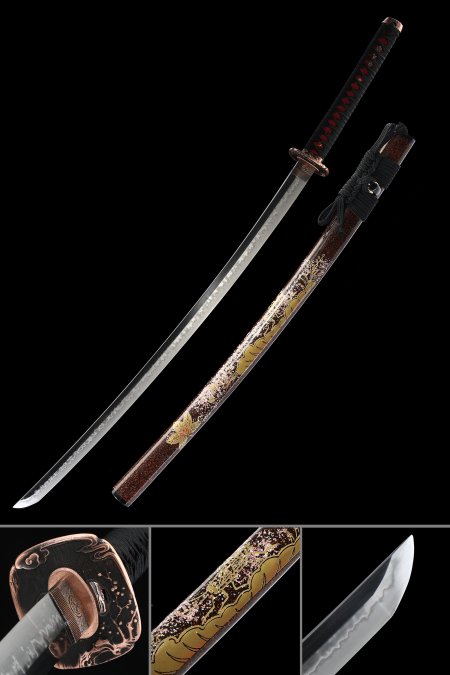
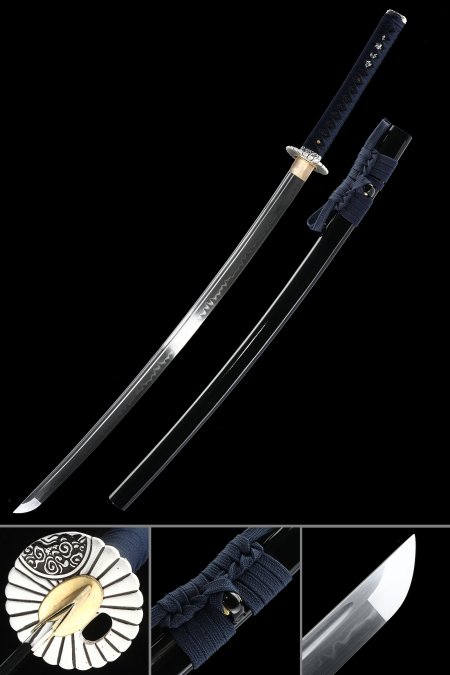
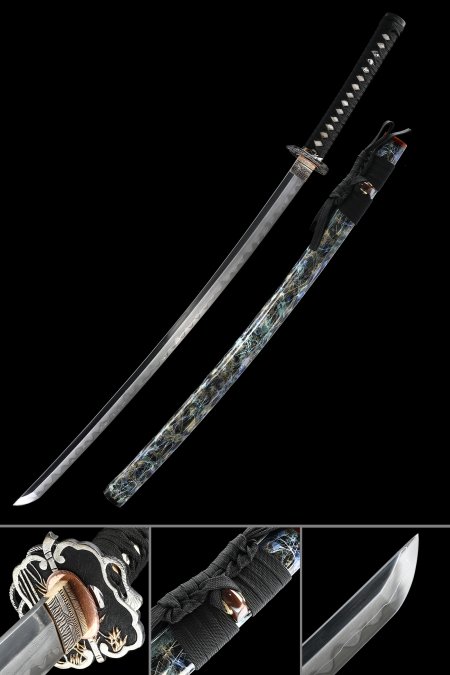
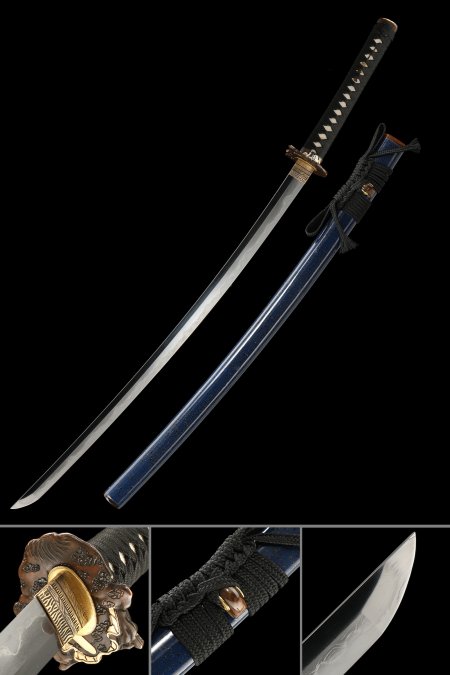
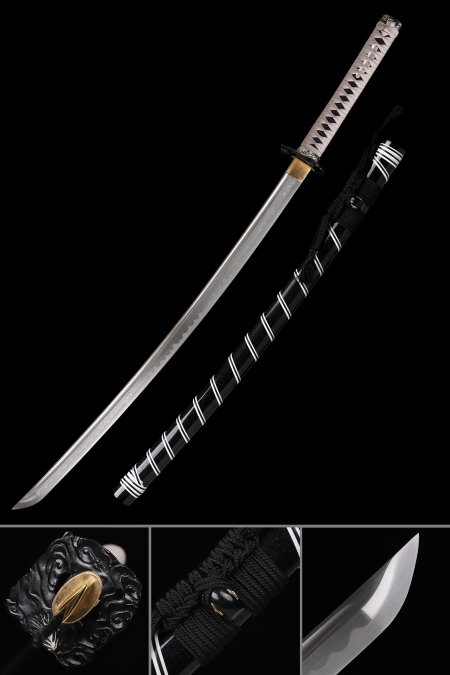
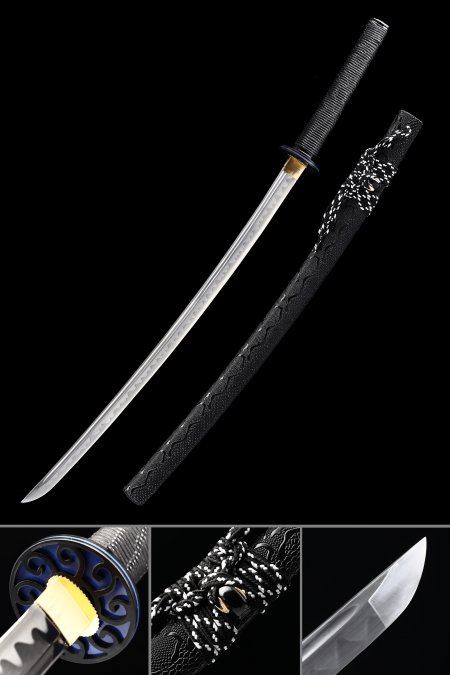
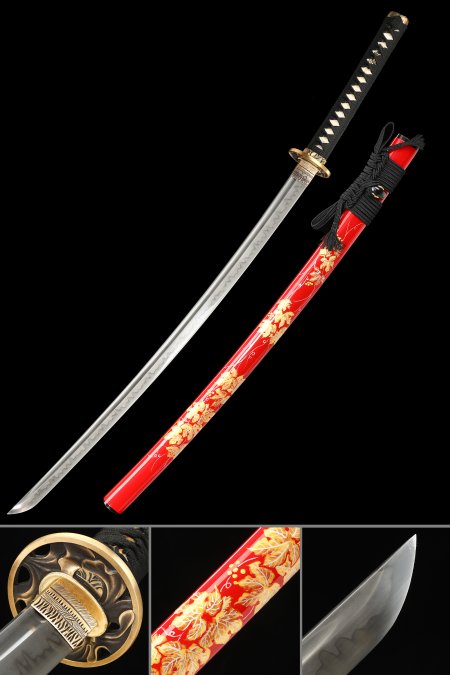
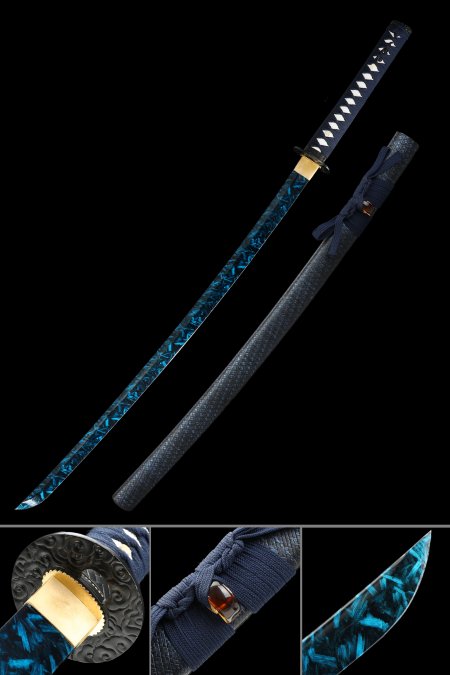
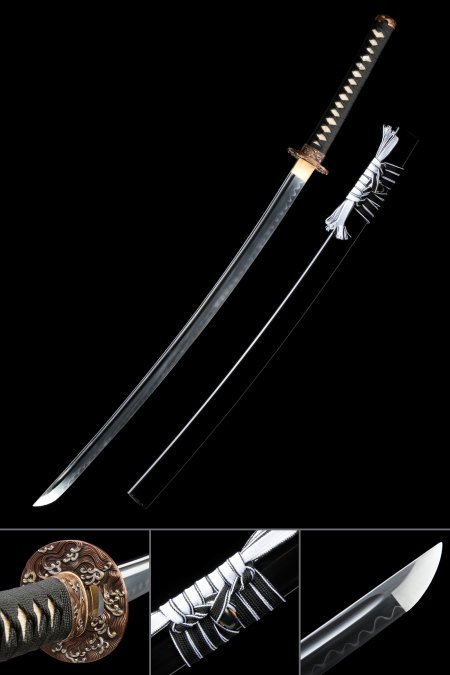
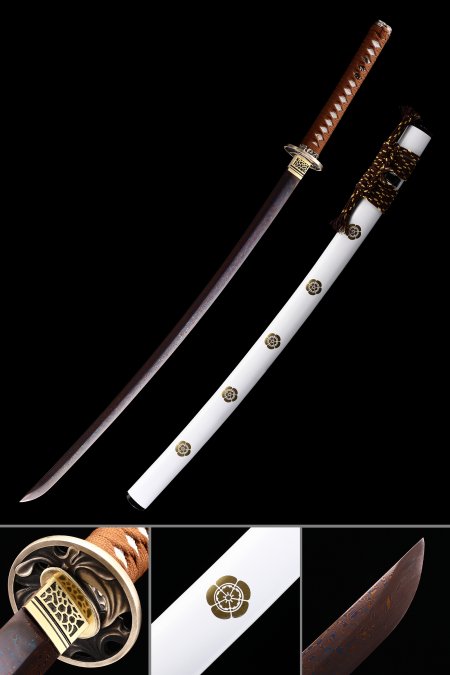
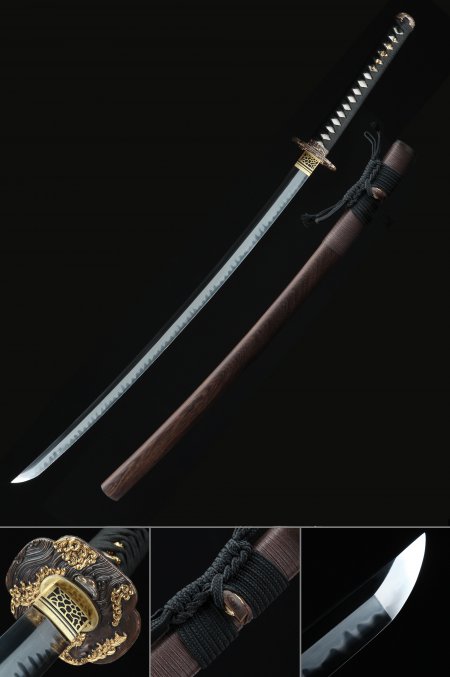
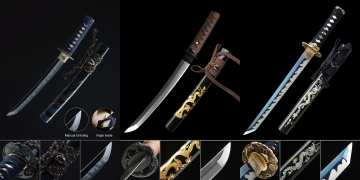
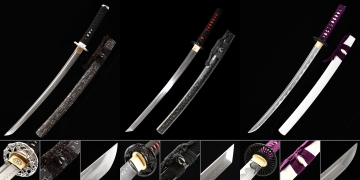
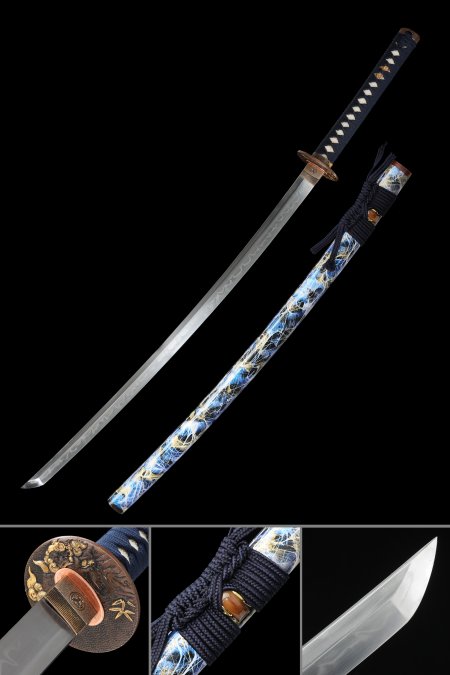
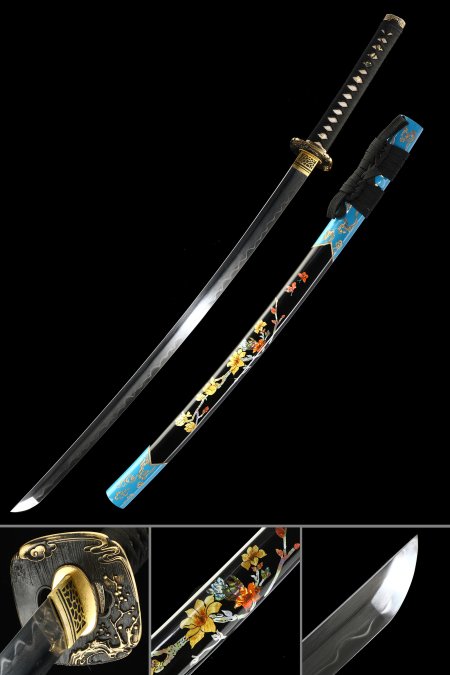
A cloud tsuba is distinguished by its relief-carved or cast cloud formations — kumo motifs — which replace the geometric cutouts or simple oval profiles common on utilitarian guards. Craftsmen shape these guards from bronze, iron alloy, or brass, often leaving negative space between the cloud forms to create a layered, dimensional silhouette. Beyond aesthetics, the guard still serves its structural role of protecting the hand and balancing the overall weight distribution of the sword. What sets it apart for collectors is the narrative quality: a cloud tsuba immediately signals a piece assembled with artistic intent, where each fitting was chosen as part of a cohesive visual statement rather than assembled from generic parts.
How does clay tempering affect a katana blade's appearance?
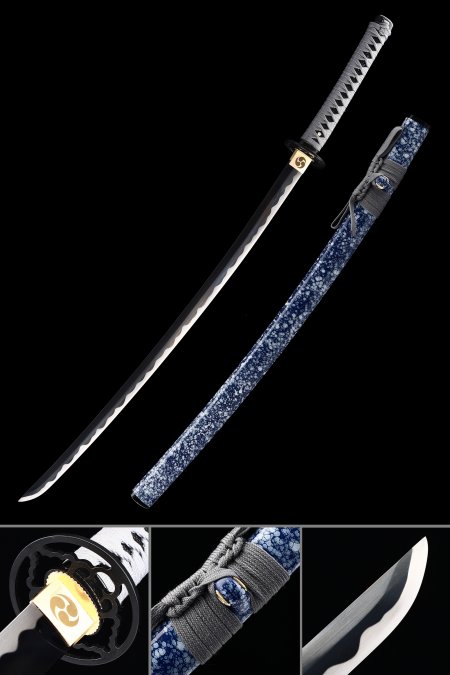
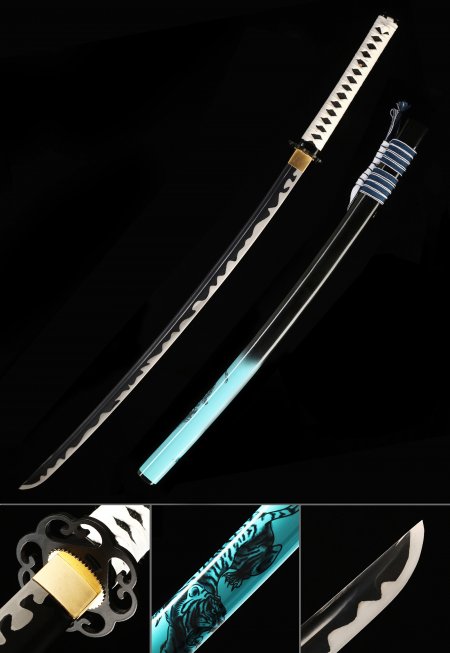
Clay tempering, or tsuchioki, involves coating the blade spine with a thick layer of refractory clay before the final quench, while leaving the edge exposed or lightly coated. When the blade is plunged into water or oil, the exposed edge cools rapidly, forming a hard martensitic structure, while the clay-insulated spine cools slowly and remains tougher and more flexible. The boundary between these two zones crystallizes into the hamon — a visible temper line that runs the length of the blade. On T10 steel, the high carbon content and fine carbide structure produce particularly defined, bright hamon with activity such as nie (glittering martensite crystals) and nioi (a misty boundary effect). This is a permanent metallurgical feature, not a surface treatment, and it is one of the primary markers collectors use to evaluate blade authenticity and craftsmanship quality.
What are the key differences between T10, manganese, and Damascus steel in this collection?
T10 is a high-carbon tool steel with approximately 0.95–1.05% carbon and added tungsten for wear resistance, best suited for collectors who prioritize authentic hamon development and blade sharpness retention. Manganese steel — typically with 1–1.8% manganese content — is valued for its work-hardening properties and notable toughness, making it less prone to chipping under stress and well-suited for display pieces that may occasionally be handled. Damascus steel in this context refers to pattern-welded billets: two or more steel types forge-welded together and manipulated to produce flowing grain patterns visible on the polished surface. Damascus is chosen primarily for its striking visual character, as the layered construction creates a blade surface unlike any single-alloy steel. Each material suits a different collector priority — metallurgical tradition, structural resilience, or visual drama.
How should I store a lacquered saya long-term without damaging the finish?
Lacquered saya — whether piano gloss, matte, or printed — are susceptible to two primary threats: UV exposure and contact abrasion. Store the katana horizontally on a padded or wooden display stand, away from windows and artificial light sources that emit UV. Avoid stacking or leaning saya against hard surfaces, as the lacquer can develop pressure marks or micro-cracks over time. Handle the saya with clean, dry hands; skin oils accumulate on lacquered surfaces and can dull the finish gradually. If cleaning is needed, use a soft, lint-free cloth with no chemical solvents. For long-term storage, wrapping the saya loosely in acid-free cloth adds a layer of protection against dust and incidental contact. The blade inside should carry a light oil coat to prevent any moisture-related surface changes that could expand the blade and stress the saya's interior throat.
Is a cloud tsuba katana a good choice as a display gift for someone new to collecting?
A cloud theme katana makes an excellent entry into Japanese sword collecting precisely because the guard's visual character is immediately legible — you do not need prior knowledge to appreciate the craftsmanship of a sculptural cloud tsuba. For a gift recipient new to the hobby, look for pieces that pair an accessible steel like 1060 high-carbon with a lacquered hardwood saya and a coordinated ito wrap, as these offer a complete, visually cohesive presentation without requiring significant maintenance expertise. Including a brief care note — periodic light oiling, horizontal display away from humidity — helps a new collector start with good habits. The cloud motif's cultural resonance also gives the piece a conversation-starting depth that purely decorative items lack, making it meaningful beyond its visual appeal.