What is the difference between a katana and a Tachi?
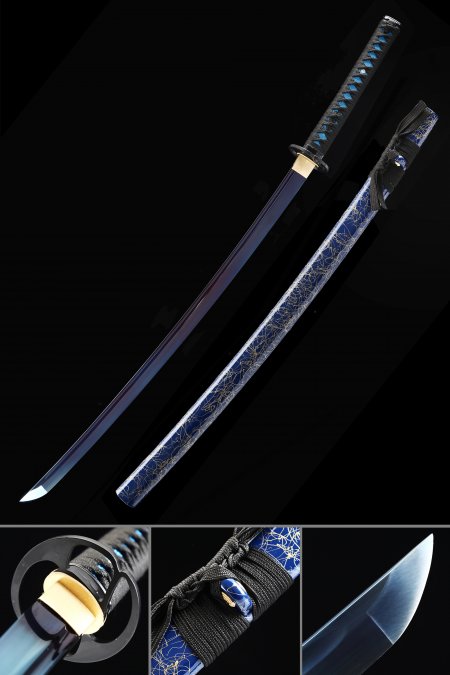
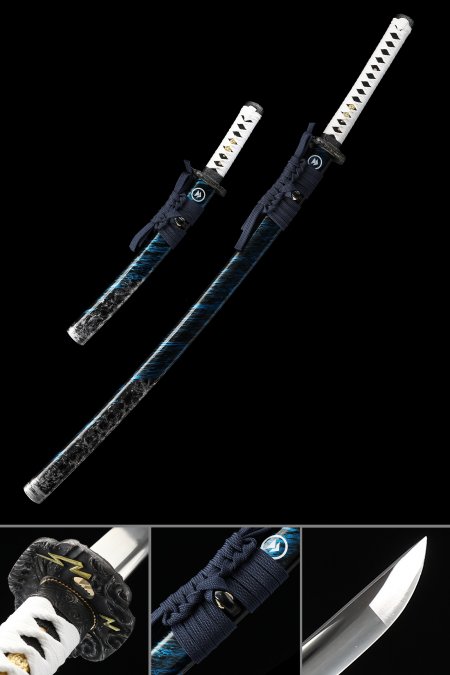
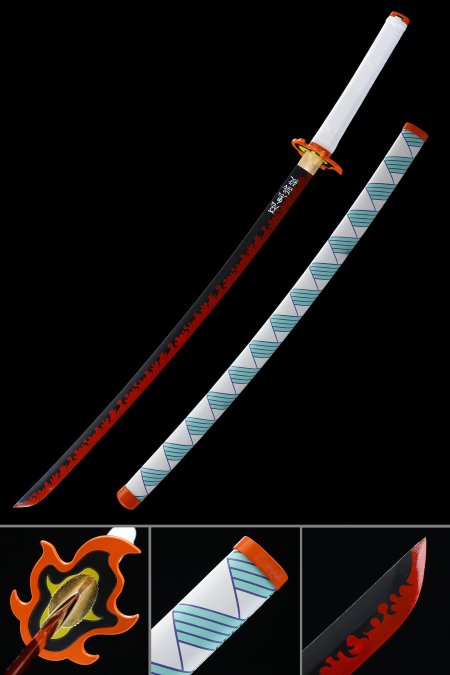
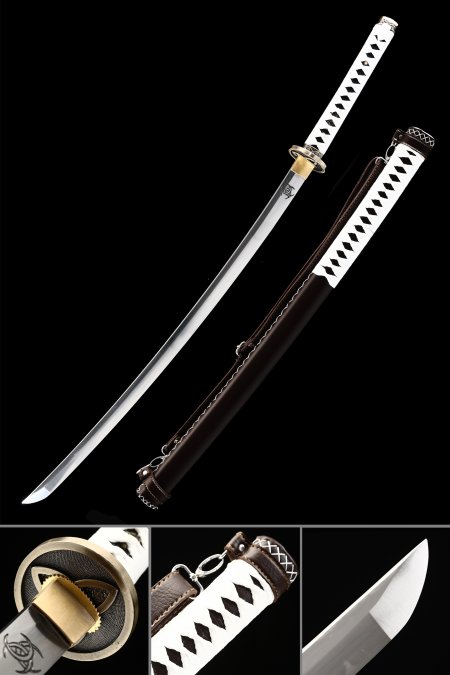
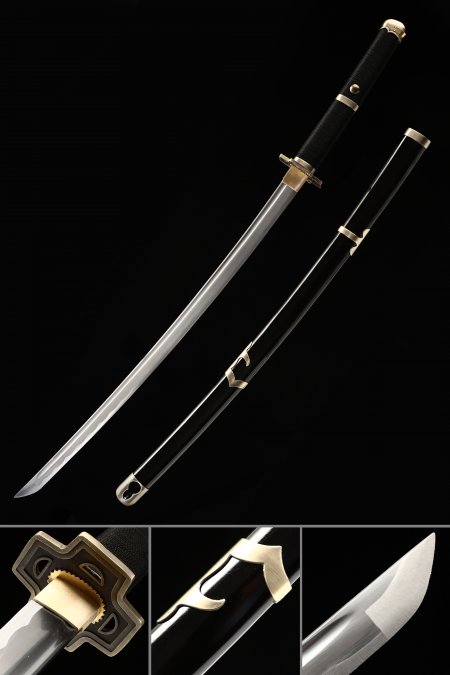
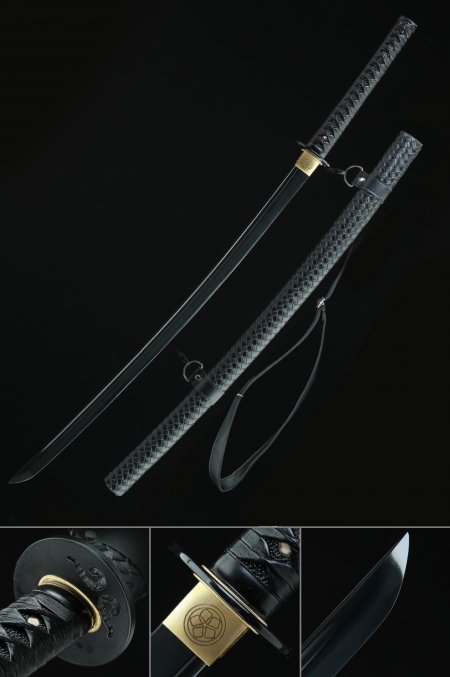
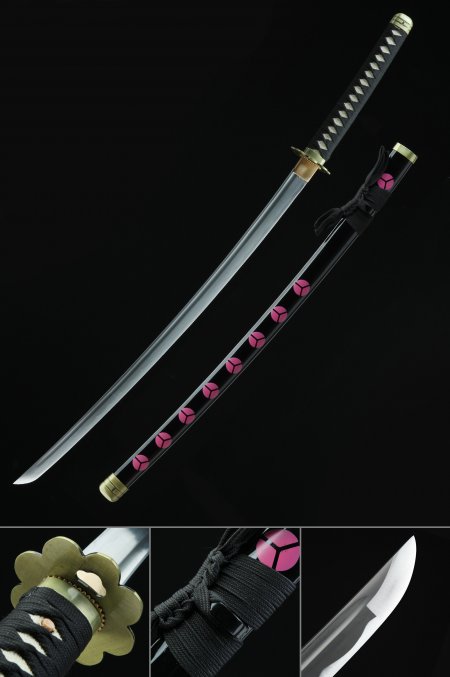
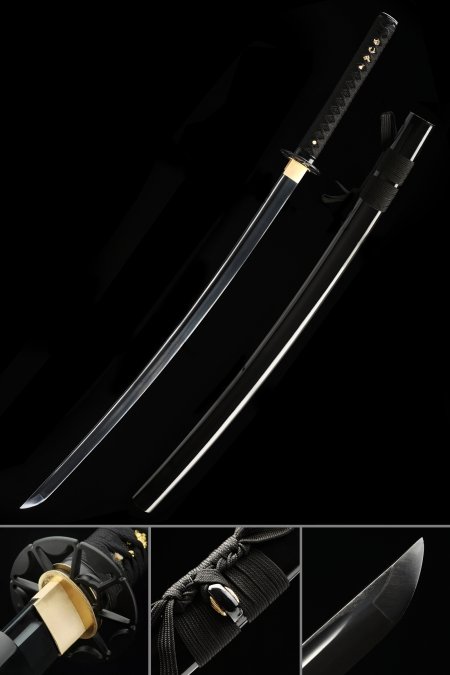
The katana and tachi are both curved, single-edged Japanese swords, but they differ in length, curvature profile, wearing method, and historical period of dominance — and these differences reflect the fundamental shift in Japanese warfare from mounted cavalry combat to dismounted infantry fighting. The tachi came first historically, emerging during the Koto period (roughly the 10th through 15th centuries) when samurai fought primarily from horseback. The tachi's blade is generally longer than a katana — typically exceeding 70 centimeters — with a deeper, more pronounced curvature that begins closer to the tang (koshizori). This deeper curve made the tachi more effective for downward slashing strikes from horseback, where the rider used gravity and the horse's momentum to amplify the cutting force. The tachi was worn suspended from the belt with the cutting edge facing down (ha-omote), hung from two mounting points on the scabbard — a carrying method that allowed the sword to swing naturally with the rider's movement. The katana emerged as the dominant sword type during the late Muromachi period (15th century onward) when infantry warfare became the standard mode of combat. The katana is slightly shorter, with a gentler curvature centered higher on the blade (torii-zori), and is worn thrust through the obi sash with the cutting edge facing up. This edge-up wearing method — the key practical difference — allowed the katana to be drawn and cut in a single motion (the foundation of iaijutsu), something impossible with the tachi's edge-down suspension. When displayed, the two swords are mounted differently: a tachi is placed with the cutting edge down and the signature on the tang facing outward, while a katana is placed with the cutting edge up. Collecting both types lets you display the evolution of Japanese sword design from cavalry weapon to infantry sidearm. The samurai sword collection includes both katana and tachi-style blades, representing both major eras of Japanese sword development.