What does the "1000 layer" folding process actually do to the steel?
Updated Mar 2026
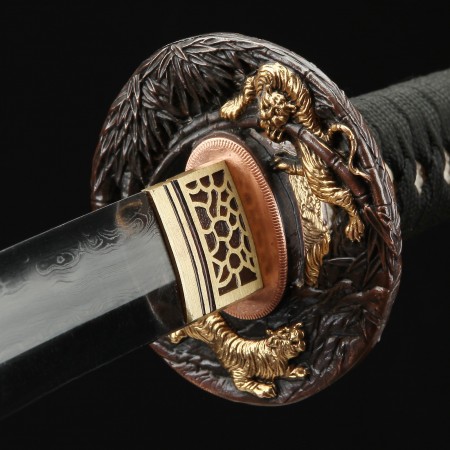
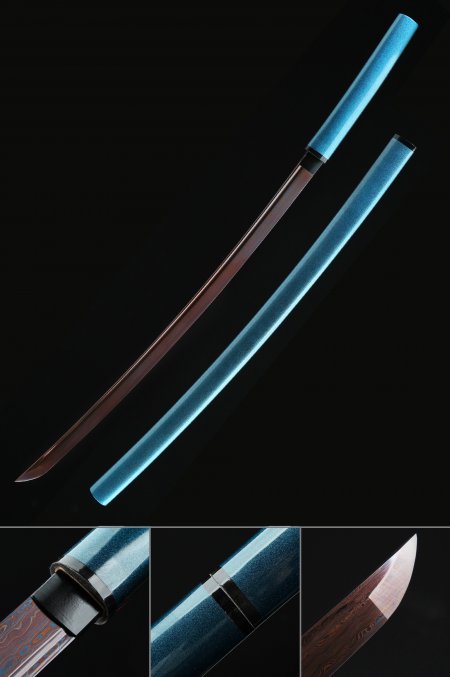
The folding process repeatedly forge-welds a steel billet on itself, each fold doubling the theoretical layer count. The practical outcome is a visible jihada — a grain pattern pressed into the blade's surface that becomes clearly legible after polishing or light acid etching. This texture is organic and unique to each blade, similar to a fingerprint, and it's the primary visual marker that distinguishes a hand-forged folded steel collectible from a machined or stock-removal blade. The process also distributes carbon and other elements more evenly through the billet, which affects how the surface holds an etch and how light moves across the flat. For display purposes, the jihada is the feature most collectors focus on when examining these pieces up close.