What makes tamahagane different from T10 or Damascus steel?
Updated Mar 2026
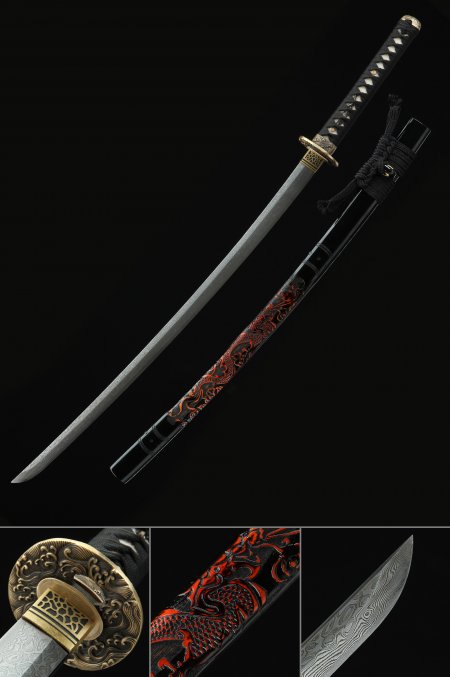
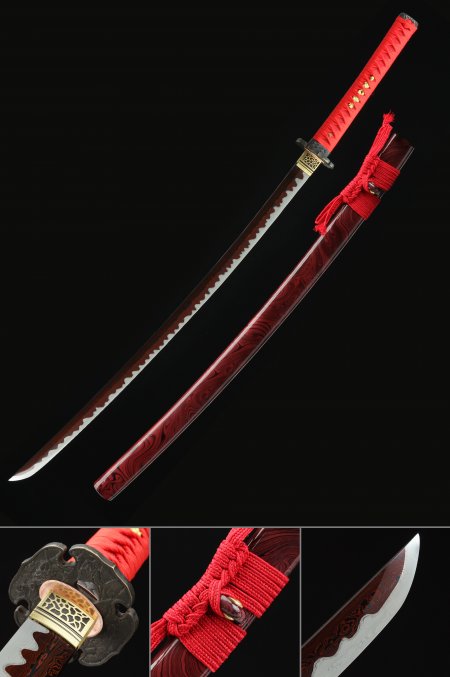
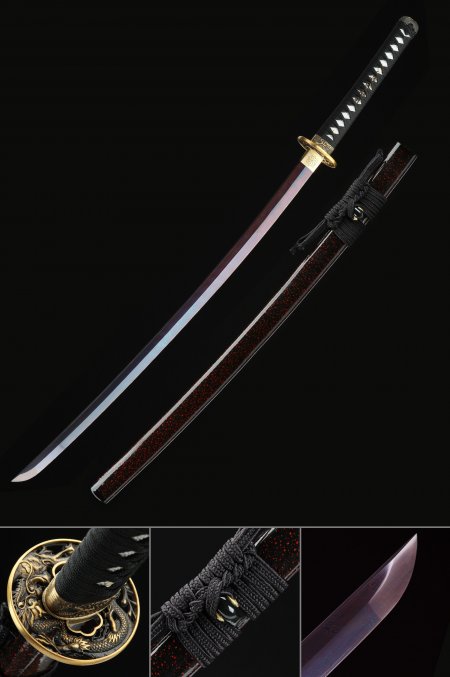
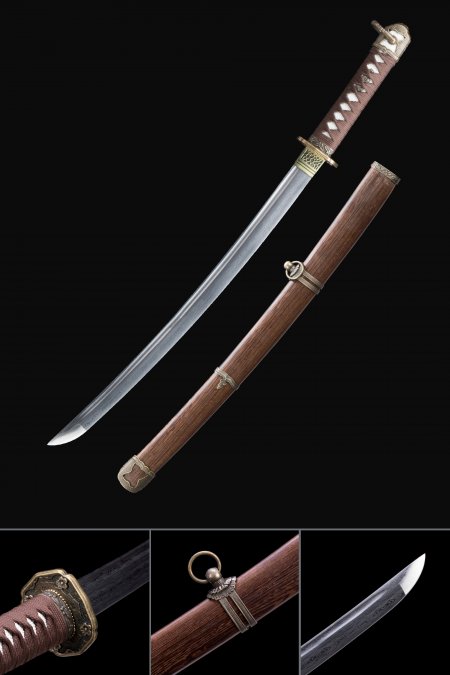
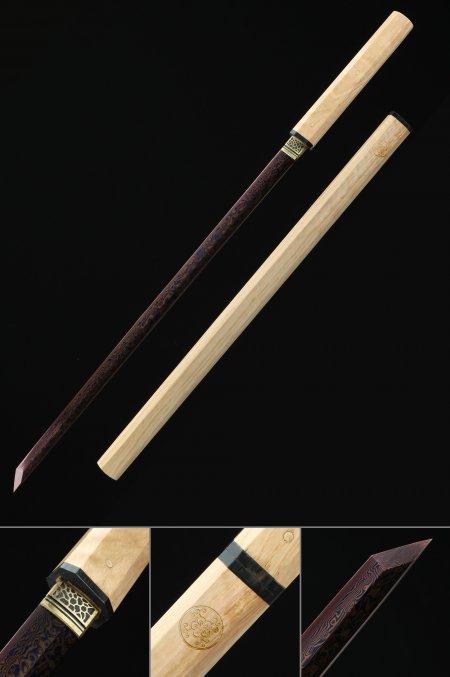
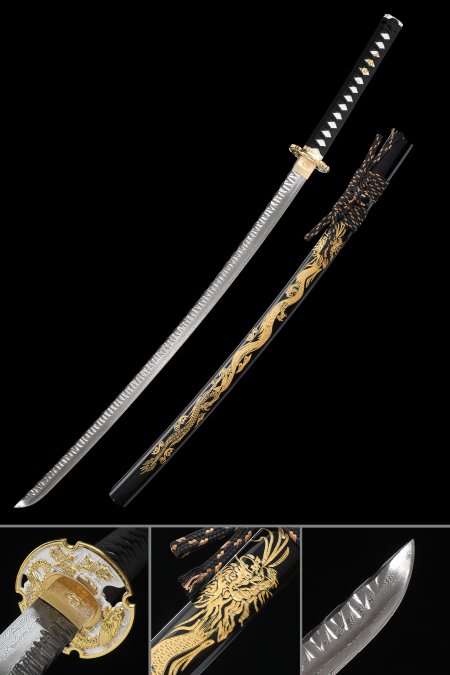
Tamahagane is smelted from iron sand (satetsu) in a traditional tatara clay furnace over several days, producing a steel with a naturally uneven carbon distribution. This inconsistency, which would be a flaw in modern industrial steel, is precisely what creates the jihada - the folded grain pattern visible on the blade surface - and supports a highly active, naturally occurring hamon during clay tempering. T10 is a high-carbon tool steel with about 1.0% carbon and added tungsten for wear resistance; it produces a sharper, cleaner hamon boundary and is generally more consistent in hardness across the edge. Damascus (pattern-welded) steel is fabricated by forge-welding alternating layers of high- and low-carbon steel, then manipulating the billet to reveal a visible surface grain pattern. Each steel type represents a different philosophy: tamahagane prioritizes historical authenticity and surface texture, T10 prioritizes hardness consistency, and Damascus prioritizes visual complexity.