How does T10 clay-tempered steel differ from 1060 carbon steel?

 Updated Mar 2026

Both are high-carbon steels, but they diverge significantly in composition and finishing process. 1060 steel contains approximately 0.60% carbon and is typically through-hardened or oil-quenched, producing a uniform hardness across the blade. T10 is a tool steel that includes a small amount of tungsten - roughly 0.9-1.0% carbon plus trace tungsten - which refines grain structure and improves wear resistance at the edge geometry. More visually significant is the clay-tempering process applied to T10 blades: a layer of refractory clay is applied along the spine before quenching, causing the edge to cool rapidly into hard martensite while the spine cools slowly into tougher pearlite. The boundary between these two zones produces a genuine hamon - a natural, undulating activity line that is unique to each blade and cannot be acid-etched or polished away.
Popular Products

20% OFF
259.00 USD
329.00 USD
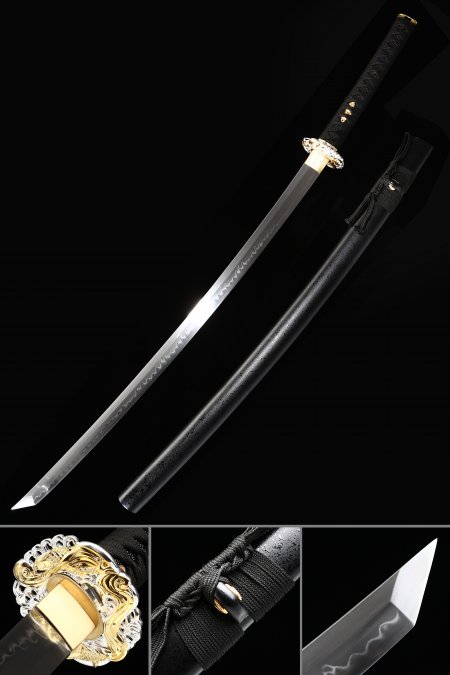
20% OFFjapanese katana
209.00 USD
259.00 USD
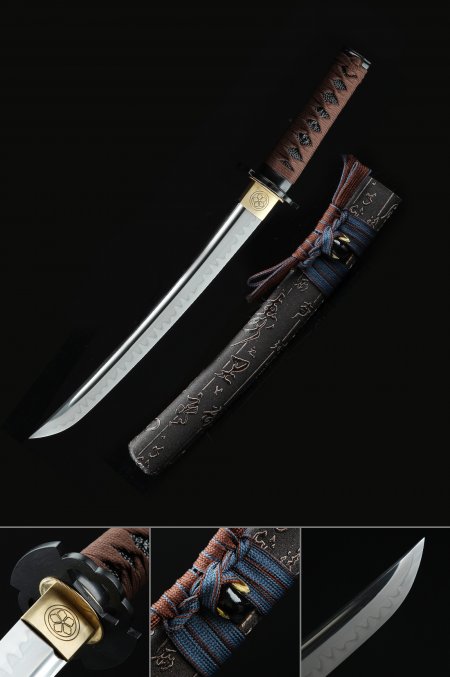
15% OFFtanto sword
179.00 USD
209.00 USD
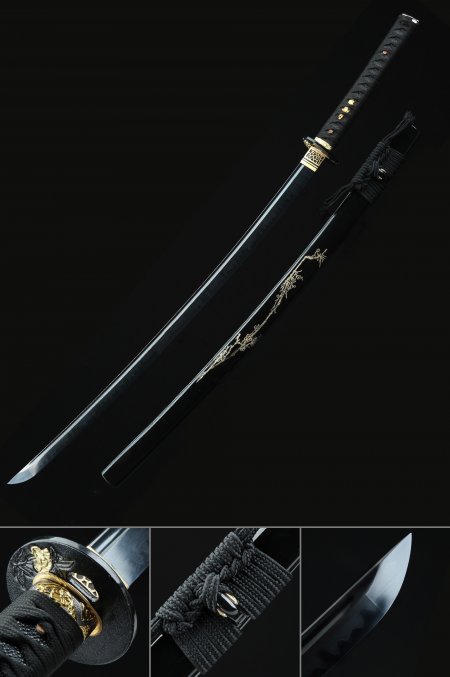
15% OFFblack katana
199.00 USD
229.00 USD
20% OFFblack katana
209.00 USD
259.00 USD
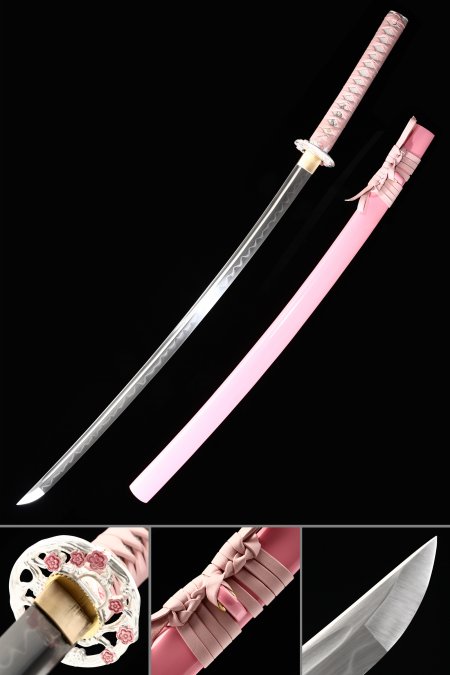
15% OFFpink katana
189.00 USD
219.00 USD
20% OFFblue katana
209.00 USD
259.00 USD
15% OFFtanto sword
149.00 USD
179.00 USD
20% OFFshirasaya katana
209.00 USD
259.00 USD
20% OFFshirasaya wakizashi
219.00 USD
269.00 USD
20% OFFshirasaya wakizashi
179.00 USD
219.00 USD
15% OFFred katana
199.00 USD
229.00 USD
20% OFF
259.00 USD
329.00 USD
20% OFFjapanese katana
209.00 USD
259.00 USD
15% OFFtanto sword
179.00 USD
209.00 USD
15% OFFblack katana
199.00 USD
229.00 USD
20% OFFblack katana
209.00 USD
259.00 USD
15% OFFpink katana
189.00 USD
219.00 USD
20% OFFblue katana
209.00 USD
259.00 USD
15% OFFtanto sword
149.00 USD
179.00 USD
20% OFFshirasaya katana
209.00 USD
259.00 USD
20% OFFshirasaya wakizashi
219.00 USD
269.00 USD
20% OFFshirasaya wakizashi
179.00 USD
219.00 USD
15% OFFred katana
199.00 USD
229.00 USD

Explore Our Collections