How does T10 steel compare to 1045 carbon steel in these katanas?
Updated Mar 2026
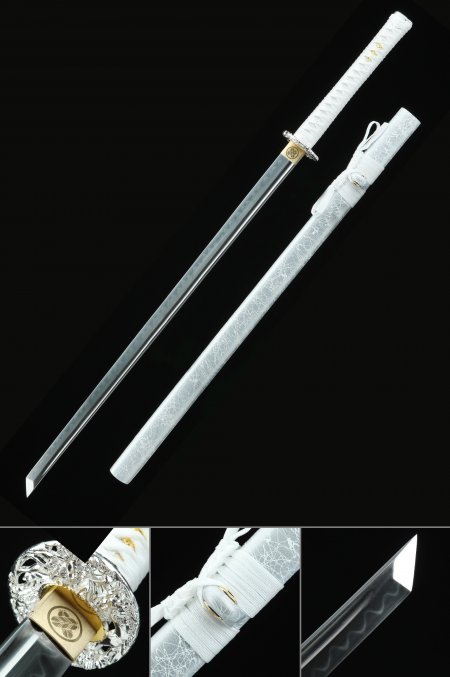
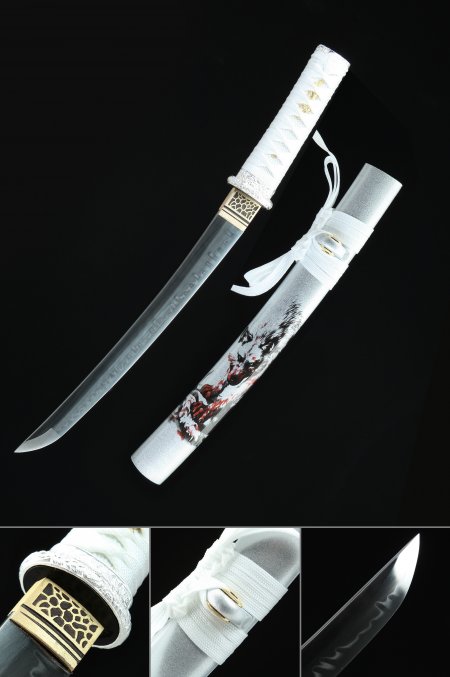
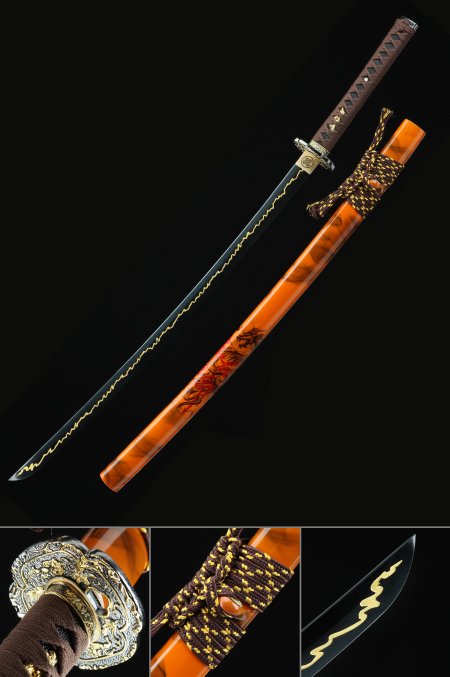
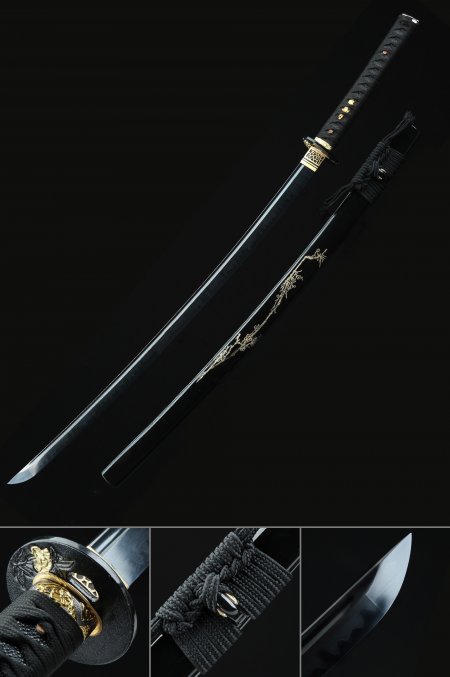
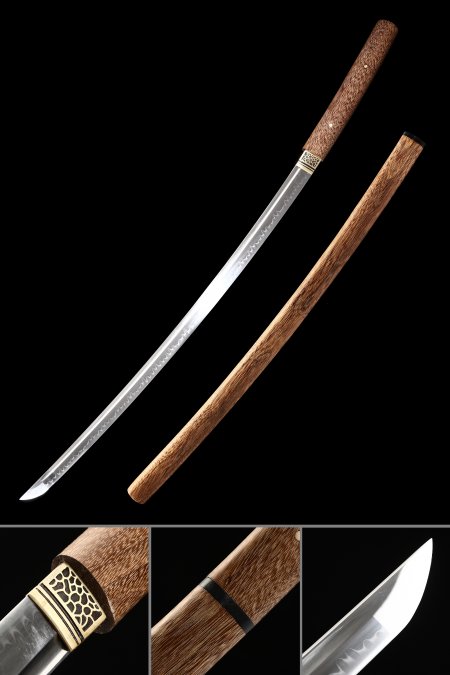
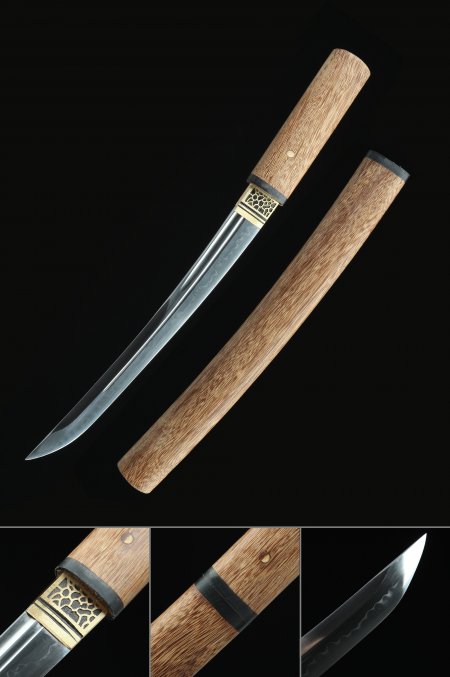
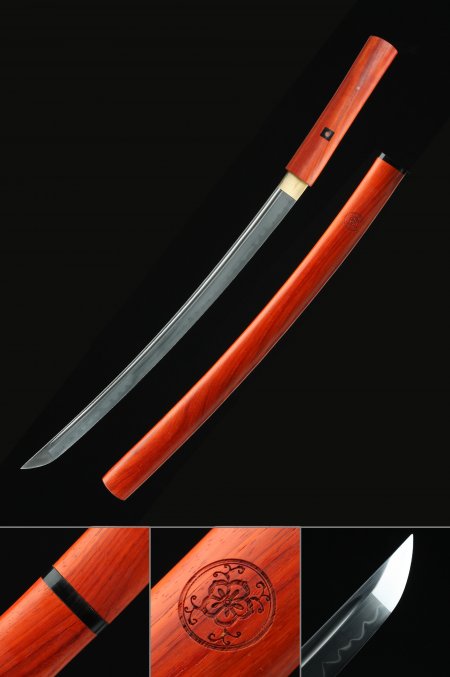
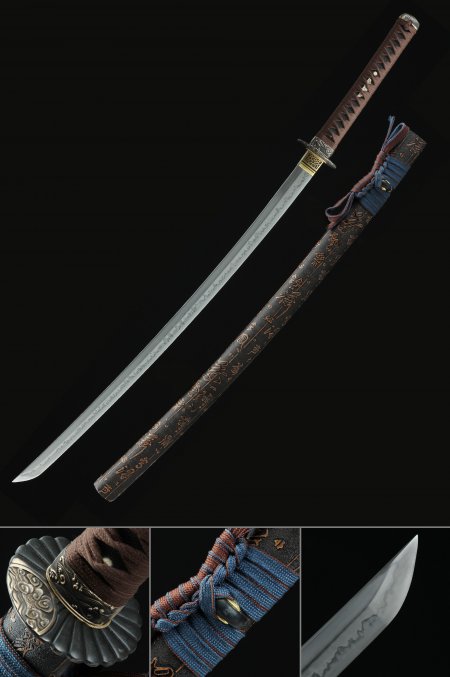
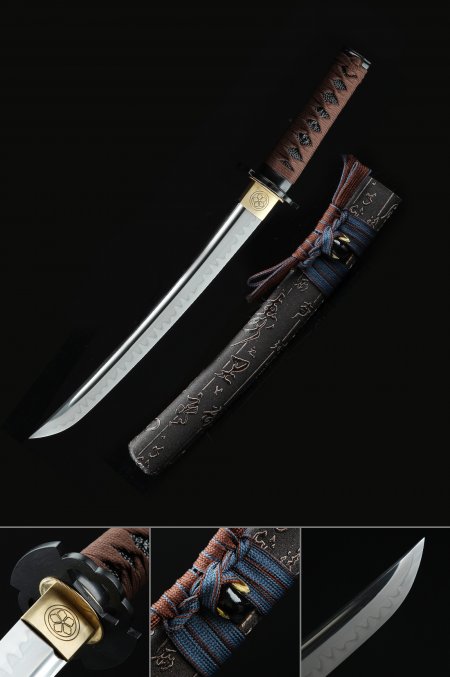
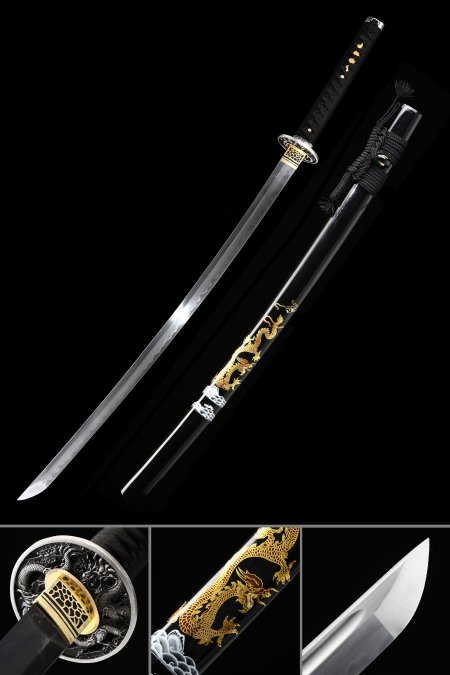
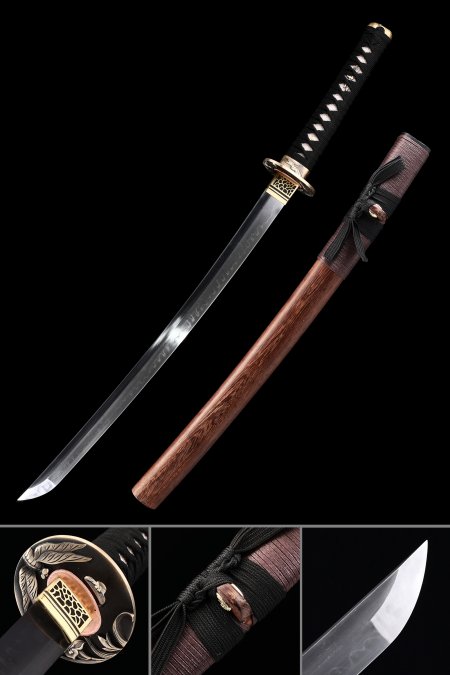
T10 tool steel and 1045 carbon steel represent different points on the performance-versus-accessibility spectrum. T10 contains approximately 1.0% carbon along with a small amount of tungsten, which improves wear resistance and allows a skilled smith to produce a genuine hamon — the wavy temper line along the edge — through clay tempering. That visible hamon is a marker of traditional differential hardening and is highly prized by collectors who appreciate authentic Japanese forging aesthetics. By contrast, 1045 carbon steel sits at roughly 0.45% carbon, making it tougher and more forgiving as a full-tang construction material, with consistent performance across the blade. For pure display value and collector credibility, T10 with a real hamon is the more prestigious choice; for a durable, well-rounded collectible at a more accessible tier, 1045 is entirely appropriate.