What are the parts of a katana?
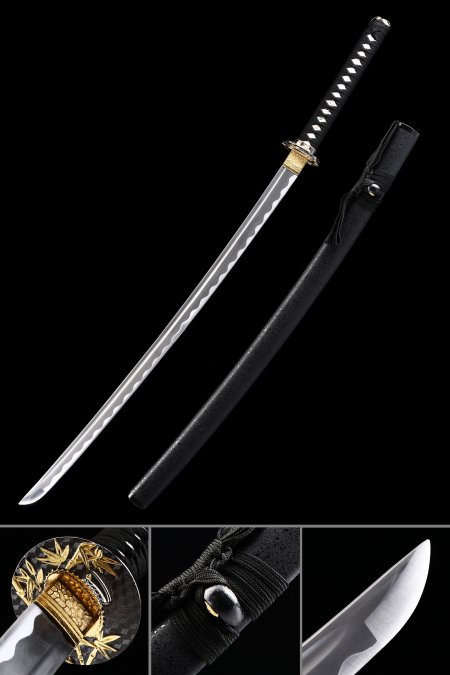
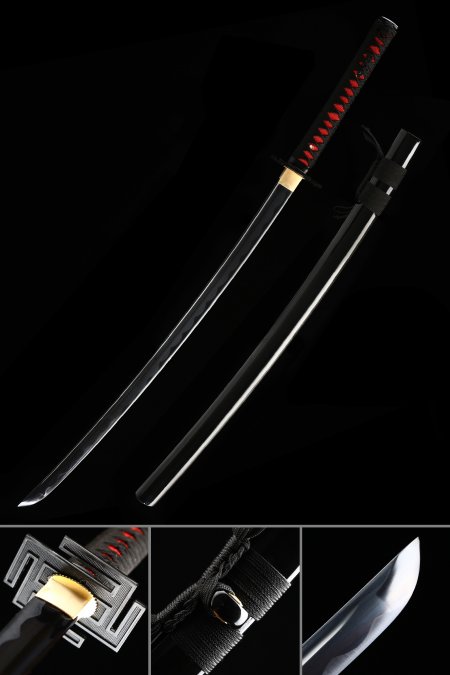
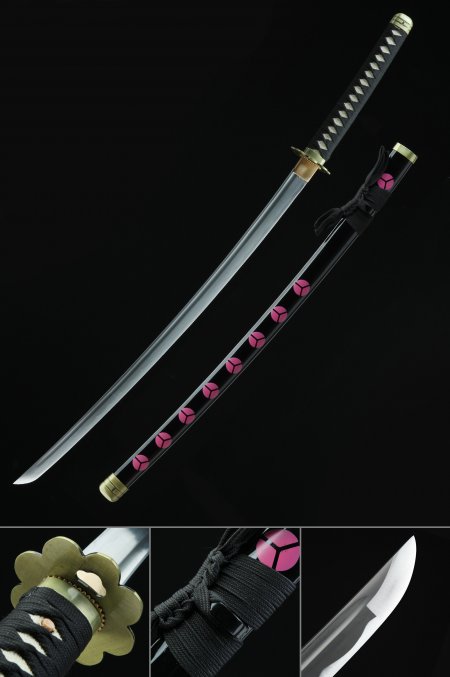
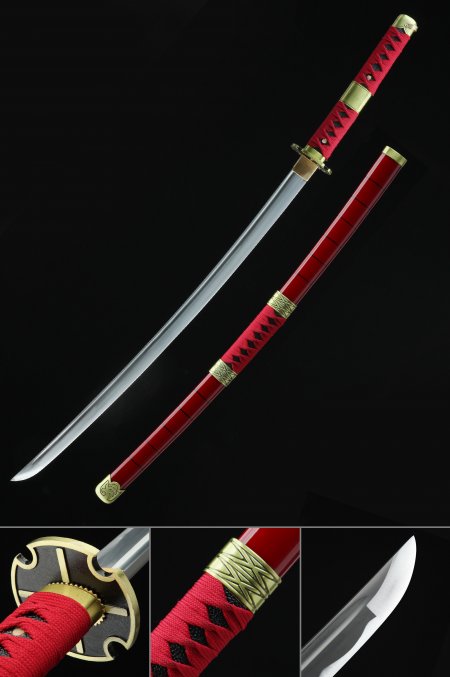
A katana consists of several distinct parts, each serving a specific purpose and contributing to the overall functionality and aesthetics of the sword. Here are the key components of a traditional katana:
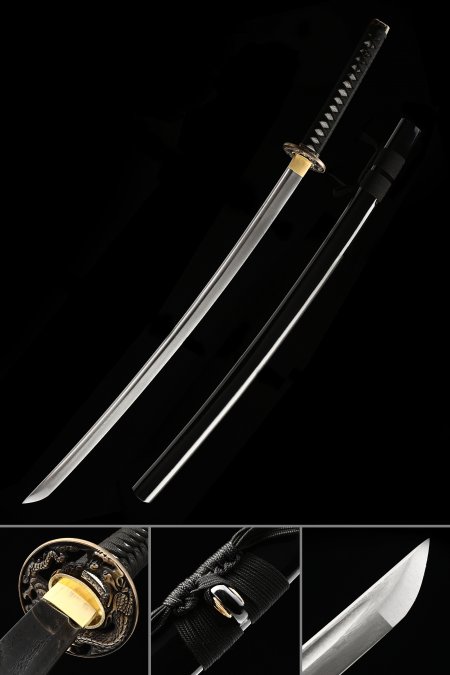
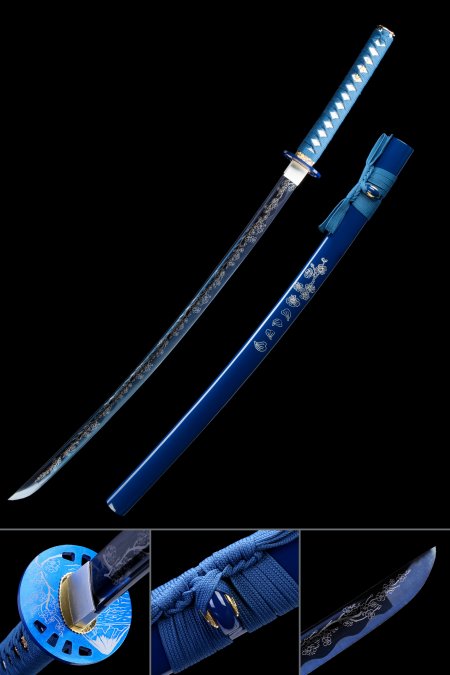
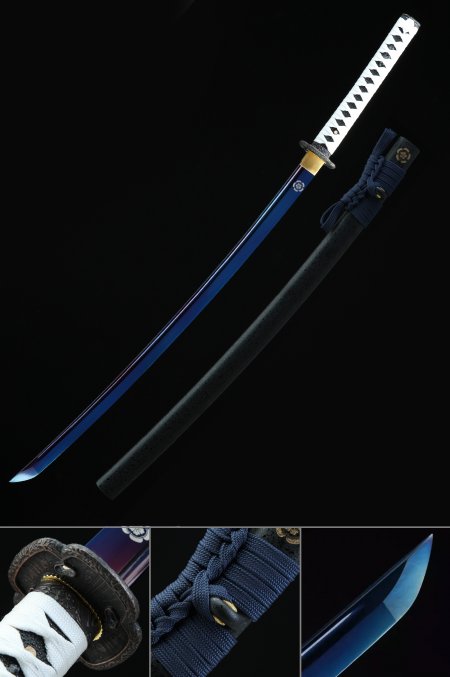
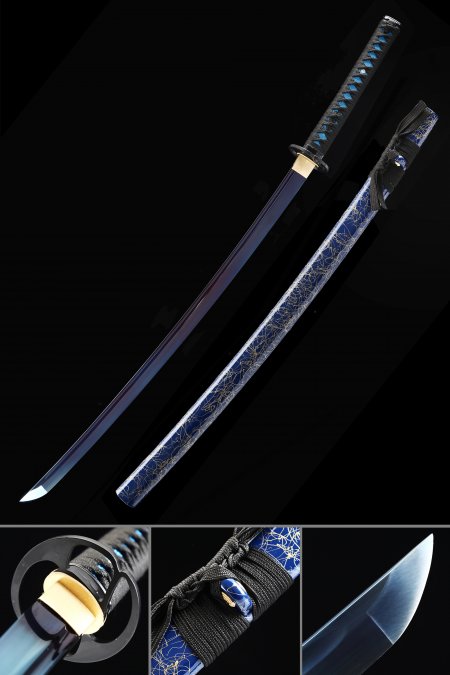
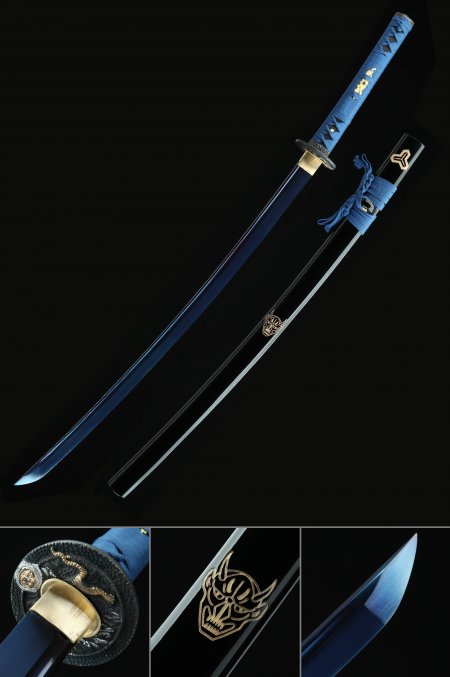
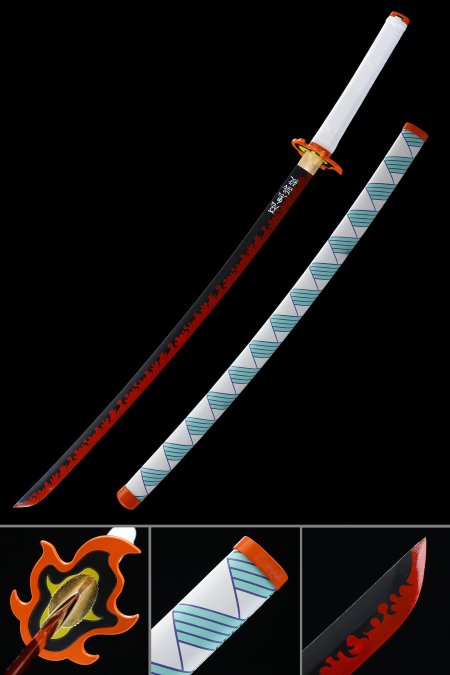
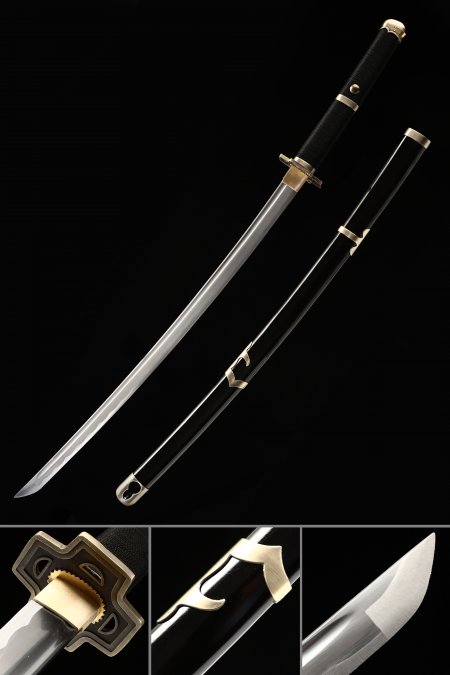
- Blade (Ha): The blade is the main part of the katana, extending from the tip (Kissaki) to the base (Mune-machi). It is a curved, single-edged blade known for its sharpness and cutting ability. The blade is forged from high carbon steel and typically features a visible temper line called the hamon.
- Tang (Nakago): The tang is the part of the blade that extends into the handle. It provides stability and connects the blade to the other components. The tang is often covered by the handle and secured with one or two bamboo pegs called mekugi.
- Handle (Tsuka): The handle, or tsuka, is typically made of wood and wrapped with a grip material such as rayskin (same) and wrapped with a silk or cotton cord called tsuka-ito. The handle provides a comfortable grip and allows for control and maneuverability of the sword.
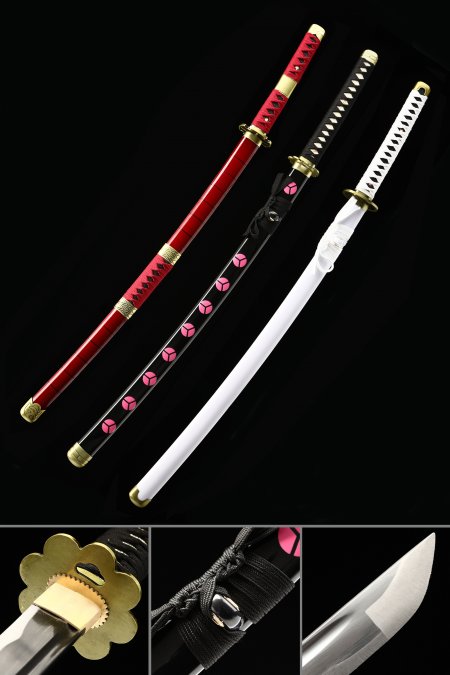
- Guard (Tsuba): The guard, or tsuba, is a metal or sometimes wooden plate situated between the blade and the handle. It serves as a handguard, protecting the hand from sliding onto the blade during combat. Tsuba comes in various shapes, sizes, and designs, often reflecting the personal taste or clan affiliation of the sword's owner.
- Collar (Habaki): The habaki is a metal collar that fits around the base of the blade, near the habaki-machi. It secures the blade in the scabbard (saya) and helps maintain the proper alignment of the sword.
- Pommel (Kashira): The pommel, or kashira, is located at the end of the handle. It provides balance to the sword and helps secure the handle components. The kashira is often made of metal and may be intricately designed or adorned.
- Menuki: Menuki refers to small decorative ornaments or fittings placed on the handle, underneath the wrapping (tsuka-ito). They provide aesthetic appeal and sometimes enhance grip and comfort.
- Scabbard (Saya): The scabbard, or saya, is the protective sheath for the blade. It is traditionally made of wood and lacquered for durability and visual appeal. The saya may also feature a sageo, a cord used to secure the scabbard to the obi (belt) or clothing.
These are the fundamental components of a traditional katana. Each part plays a vital role in the functionality, balance, and aesthetic value of the sword, reflecting the artistry and craftsmanship associated with Japanese sword-making.