What makes a Japanese katana different from other curved swords?
Updated Feb 2026
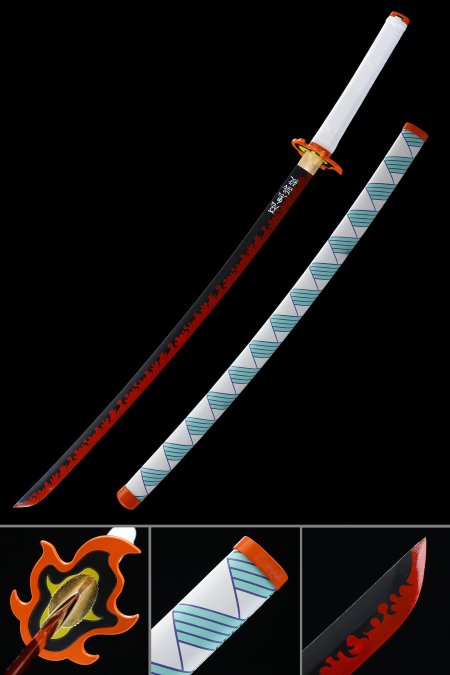
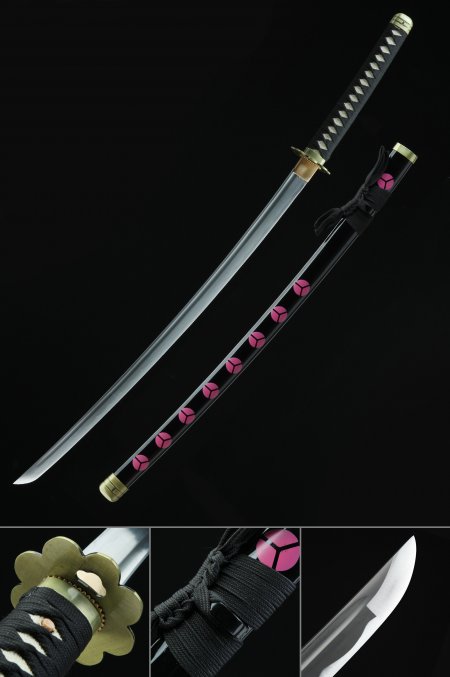
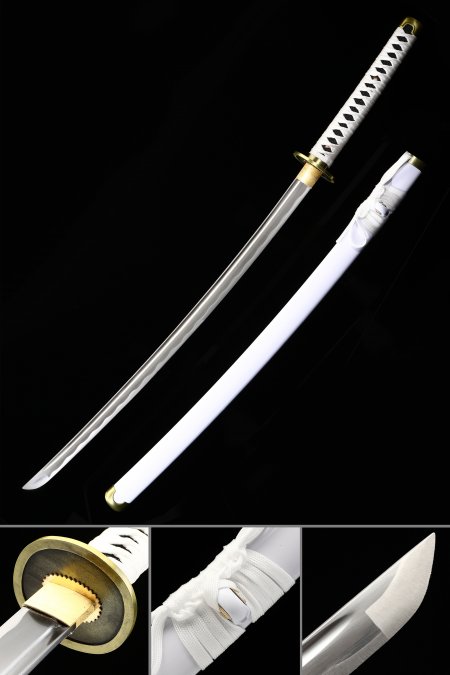
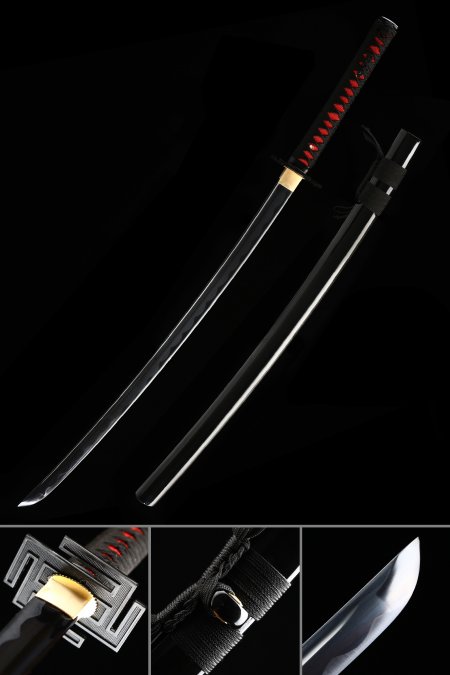
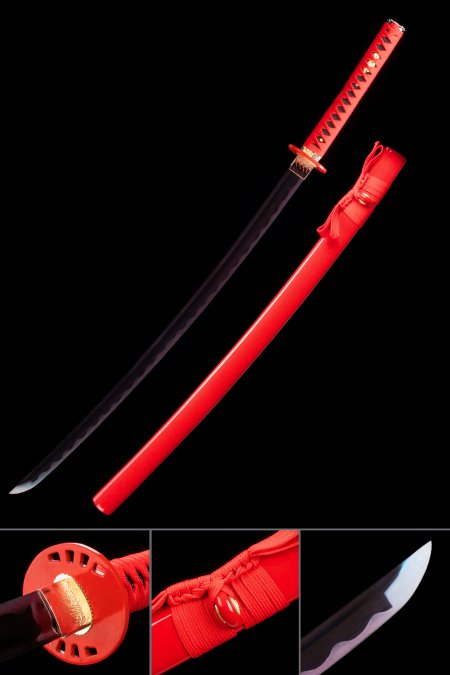
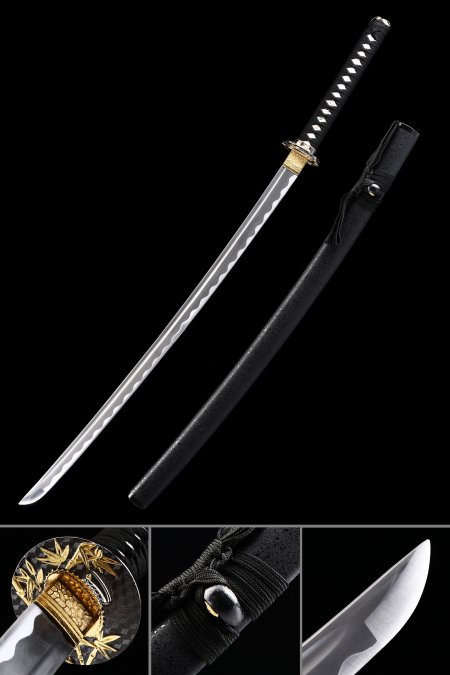
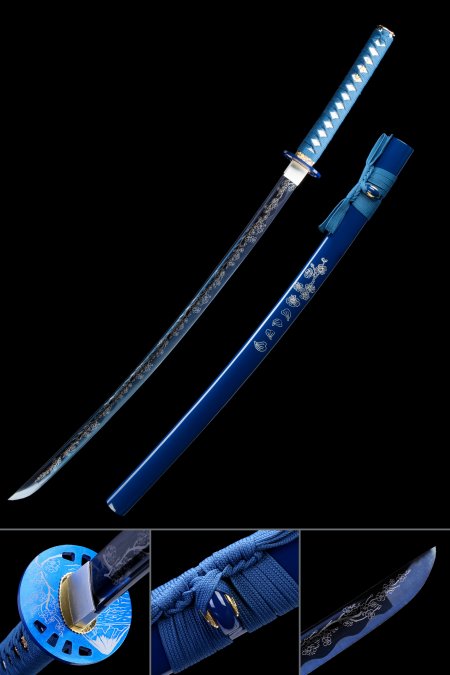
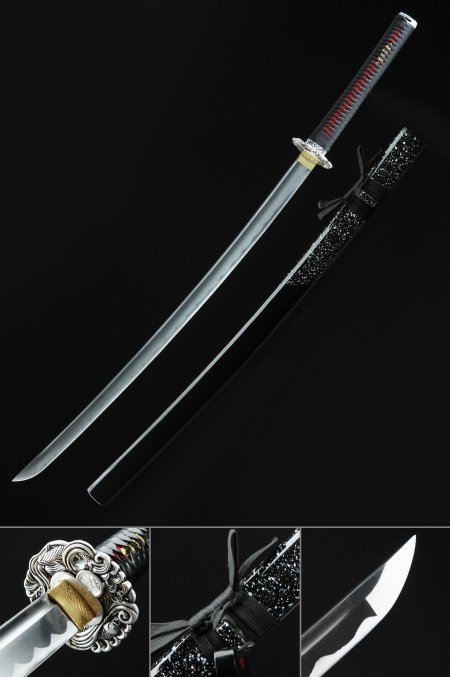
The Japanese katana has several features that distinguish it from curved swords of other traditions. The blade is single-edged with a distinctive curvature (sori) that begins near the handle and arcs gradually toward the tip, producing a geometry optimized for draw-cutting. The forging process traditionally involves differential clay tempering, where the edge and spine are hardened to different degrees, creating the hamon temper line and giving the blade a hard cutting edge backed by a resilient spine. Construction uses a full-tang secured by bamboo mekugi pins inside a two-piece wooden handle wrapped with samegawa (ray skin) and cord. The scabbard (saya) is made from lightweight hardwood with a natural lacquer finish. Taken together, these elements create a blade system where every component — from steel composition to furniture design — reflects a unified design philosophy.