How does Damascus pattern steel differ from folded steel?
Updated Mar 2026
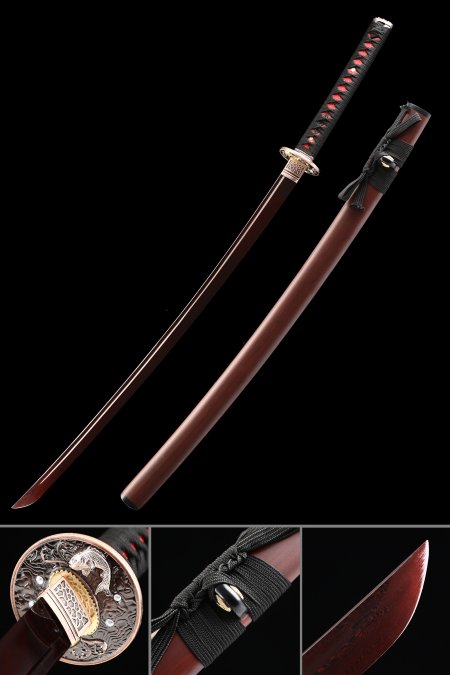
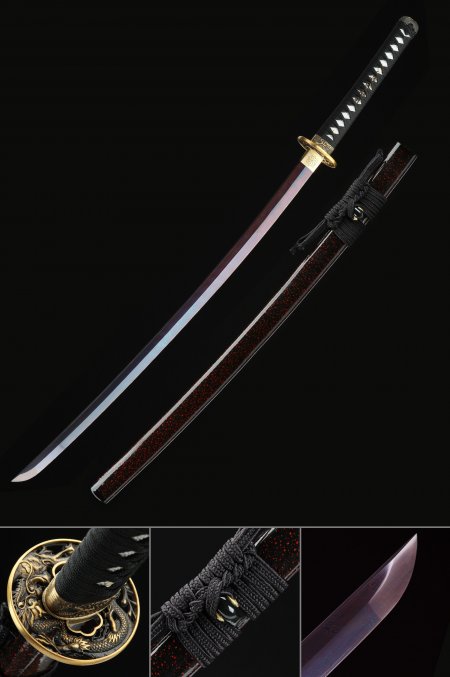
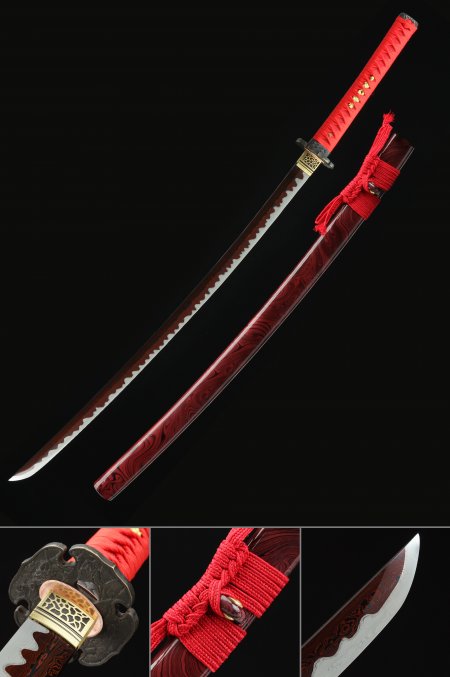
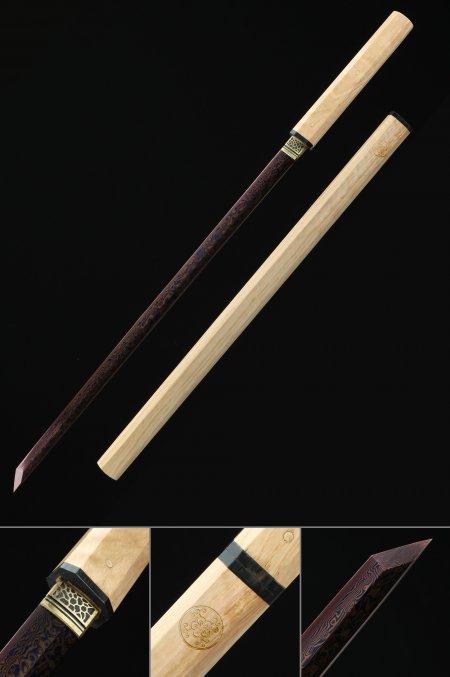
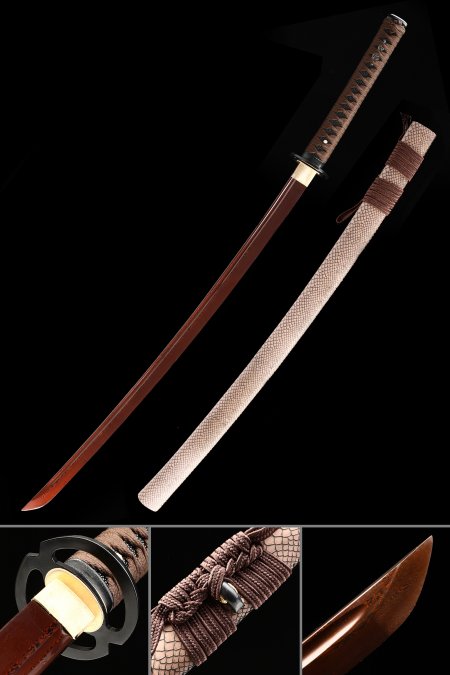
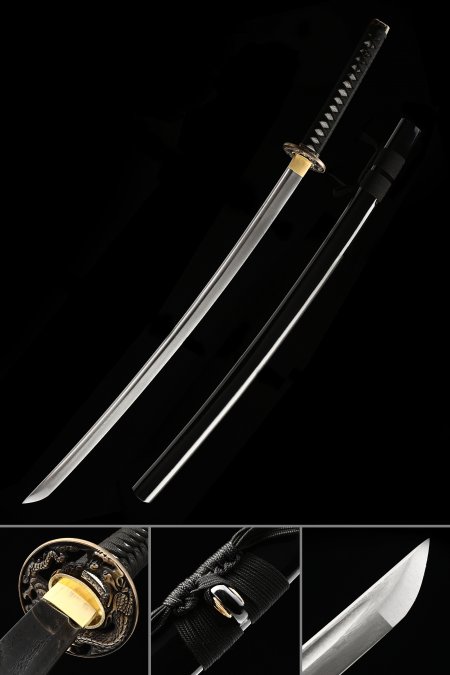
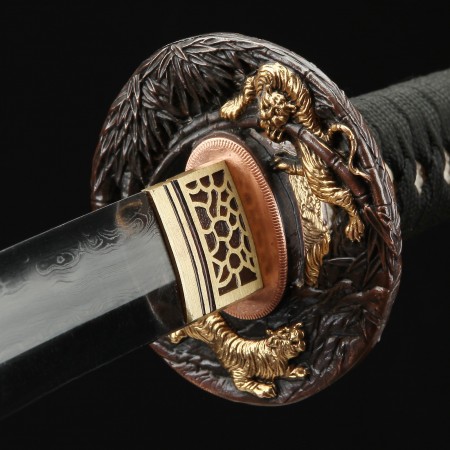
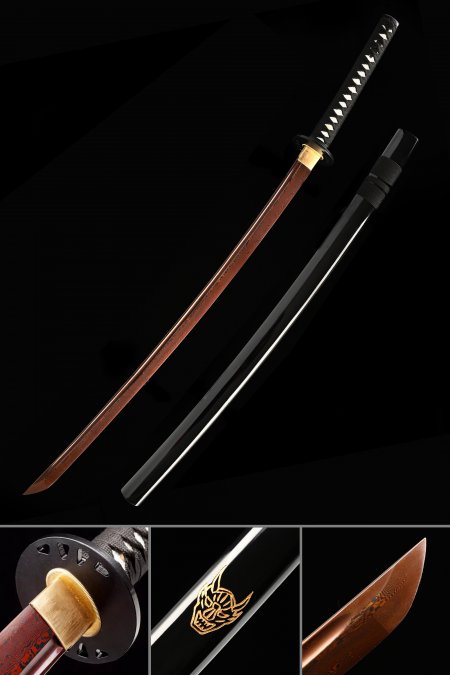
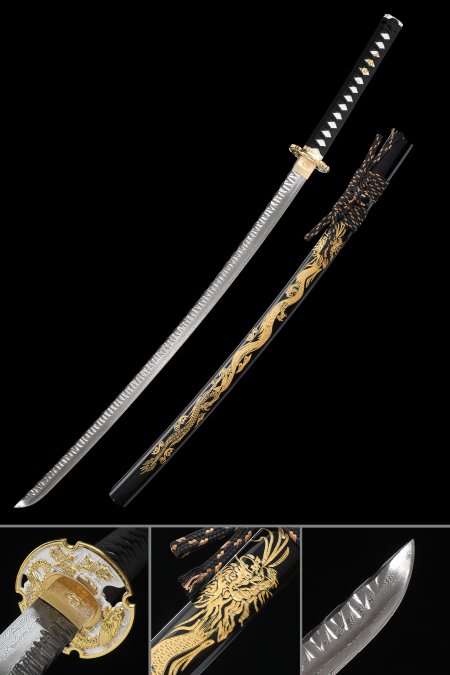
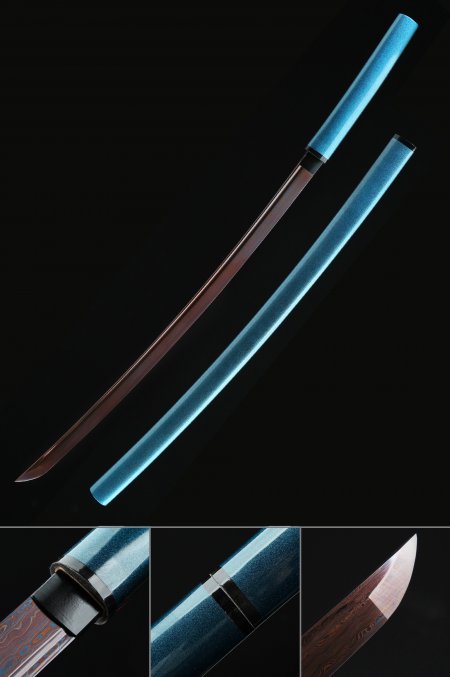
Damascus pattern steel and traditionally folded steel are often discussed together but are technically distinct. Traditional Japanese folded steel - tamahagane-based - was folded to refine carbon distribution and eliminate impurities, producing a blade with a subtle, directional grain. Modern Damascus pattern steel, as seen in several pieces in this collection, is created by forge-welding two or more steel alloys with differing carbon content, then manipulating the billet through twisting and drawing to produce visible layered or flowing surface patterns. The result is a striking aesthetic effect - each blade's pattern is unique - while also producing a blade with differential hardness characteristics suited for collector display. The visual grain on Damascus steel is far more dramatic and immediately readable than the subtle hada of traditionally worked steel.