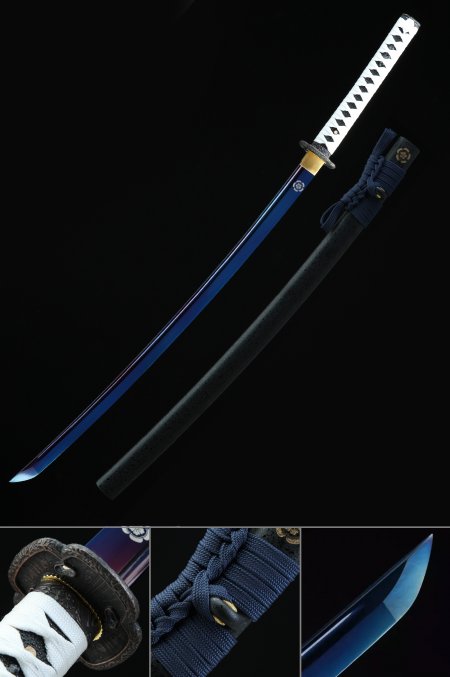
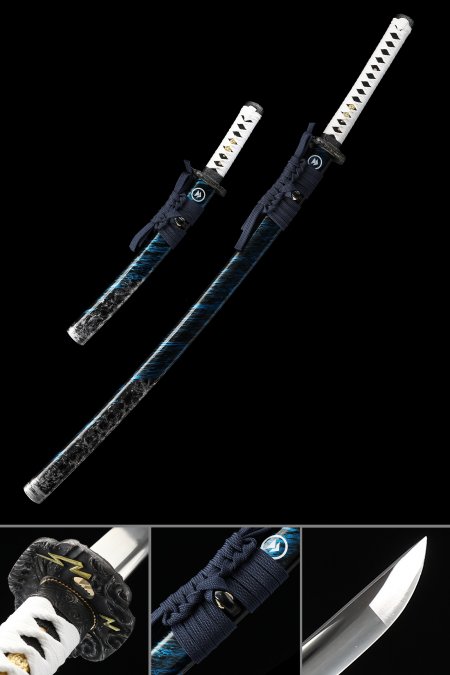
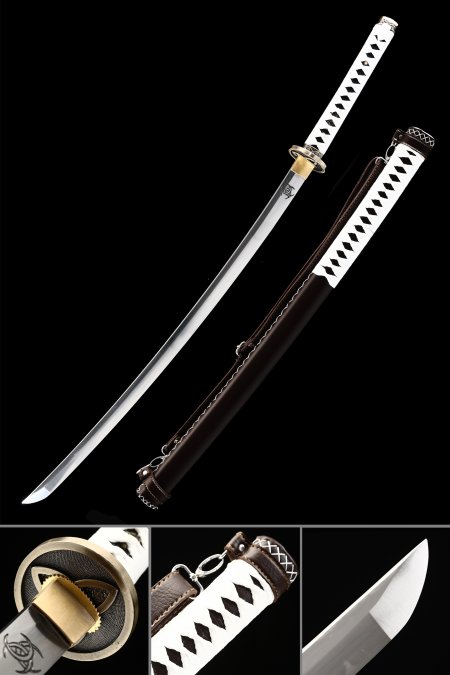
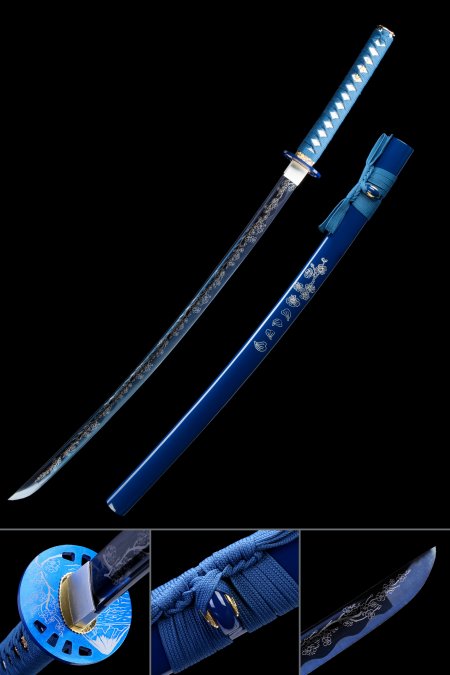
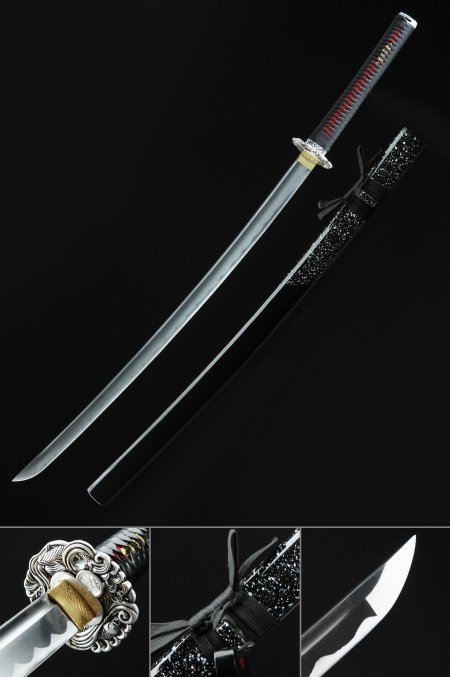
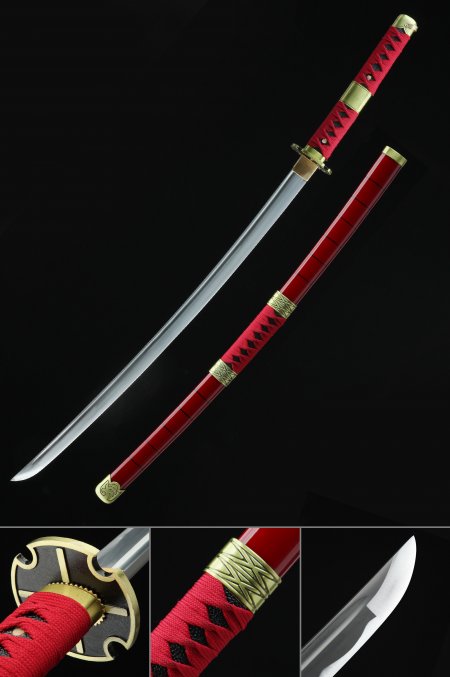
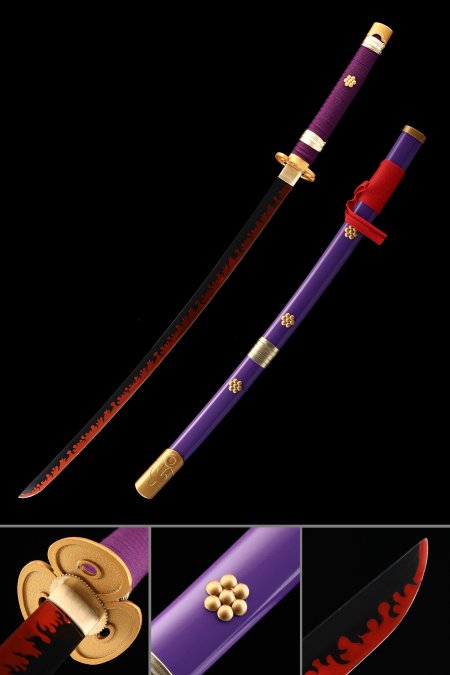
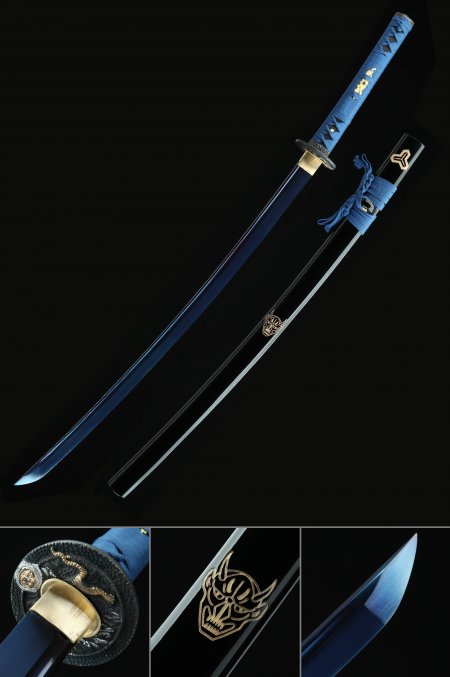
Is a full-tang katana meaningfully different from a partial-tang for display use?
Updated Mar 2026
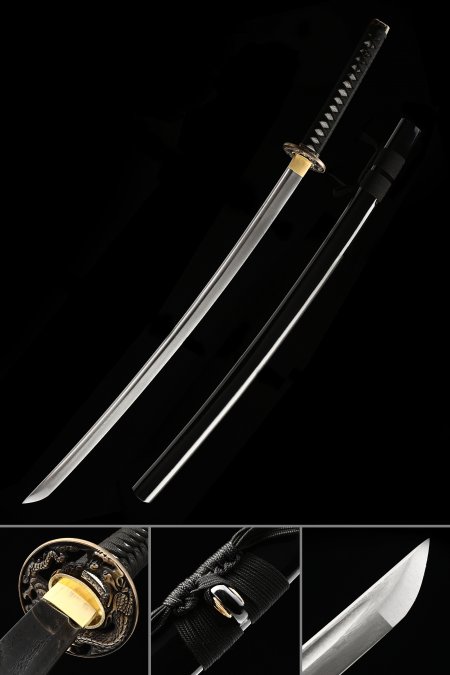
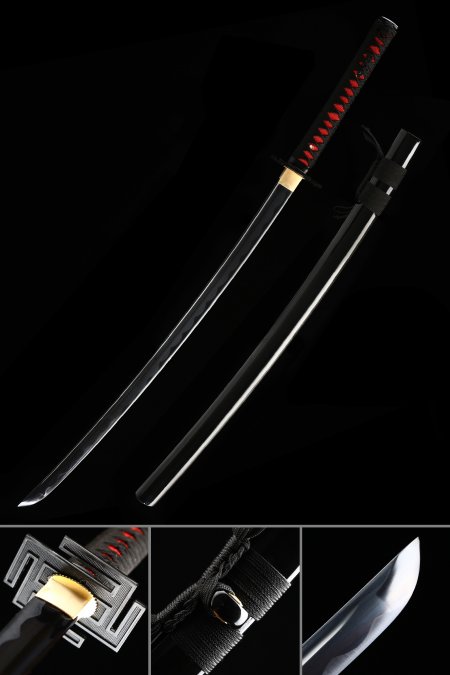
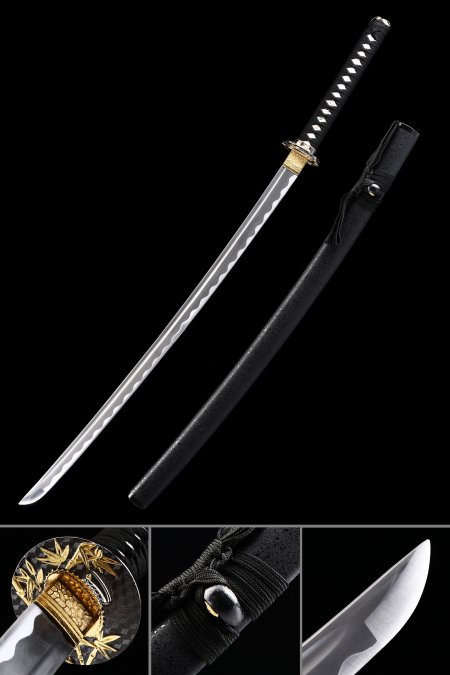
For display and long-term collection purposes, full-tang construction is the benchmark of quality. The tang extends through the entire length of the tsuka (handle), anchored under the ito wrap and secured through the handle core. This means the blade and handle are structurally unified, with no joint or adhesive point that can fail over years of display. Partial or rat-tail tangs, common in lower-cost decorative pieces, are narrowed significantly after the guard and rely on epoxy or pins—fine initially but prone to loosening with temperature fluctuation and humidity changes common to display environments. A full-tang piece will maintain its handle-to-blade alignment indefinitely, which matters greatly when a katana is displayed at eye level as a centerpiece.