Are Damascus steel katana blades all visually unique?
Updated Mar 2026
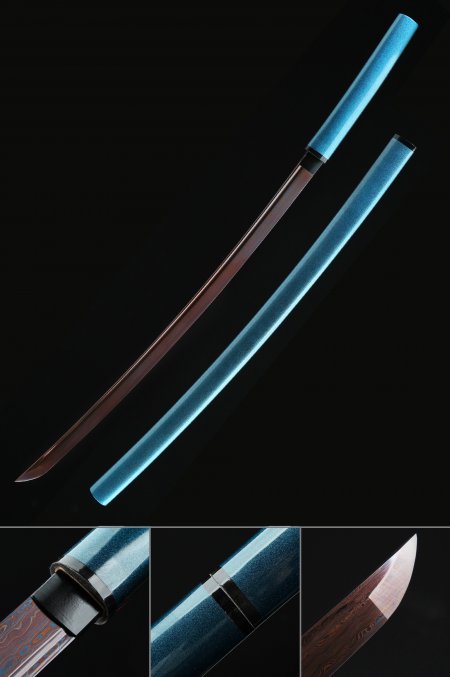
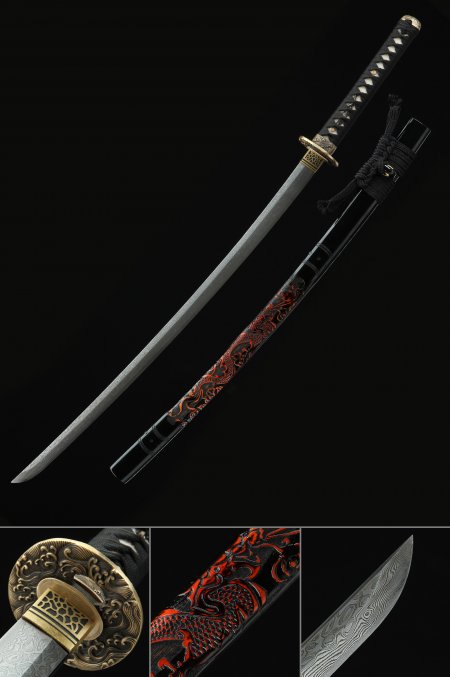
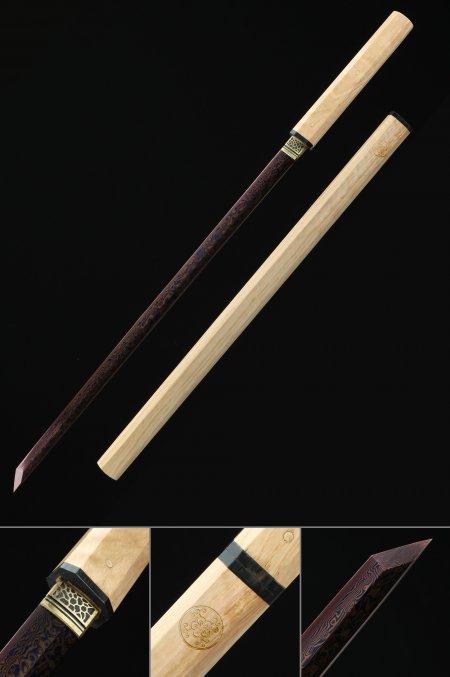
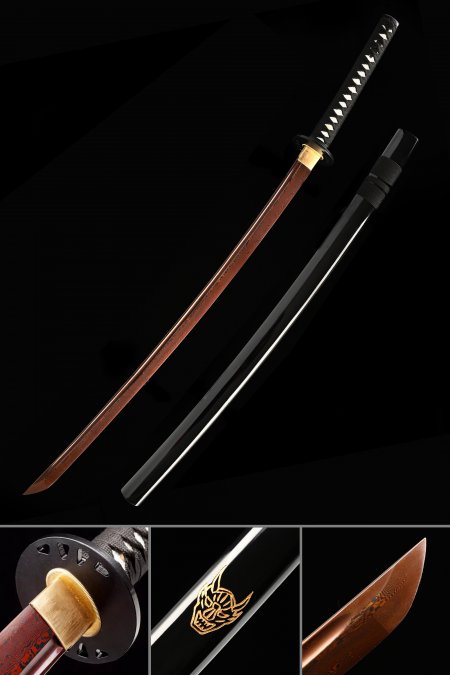
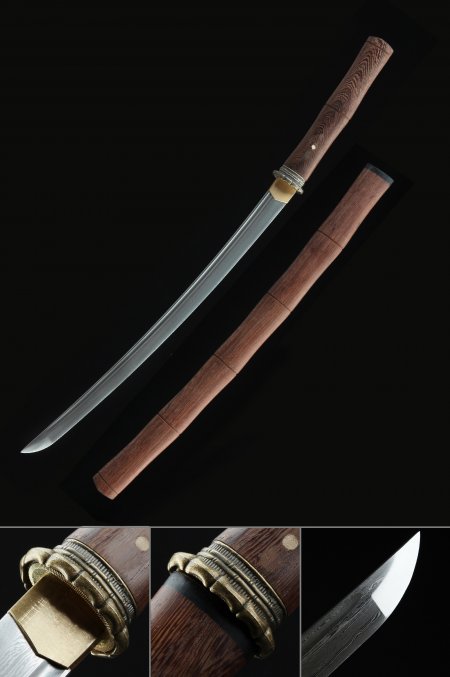
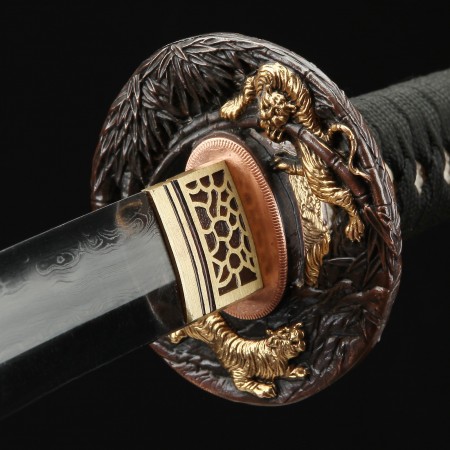
Yes — and this is one of the defining characteristics that makes Damascus steel pieces particularly valued by collectors. Damascus is created by forge-welding alternating layers of high and low carbon steel, then folding and drawing the billet out repeatedly before the final blade shape is ground and etched. The etching step reveals the contrasting carbon content between layers as a flowing, water-like grain pattern on the blade surface. Because the folding process is done by hand and the grain is revealed by acid etching rather than machining, no two blades carry an identical pattern. Collectors who prioritize having a genuinely one-of-a-kind display piece often gravitate toward Damascus for this reason, independent of any other feature.