FAST SHIP
10 Reviews
ON SALE 15% OFF
$159.00$189.00

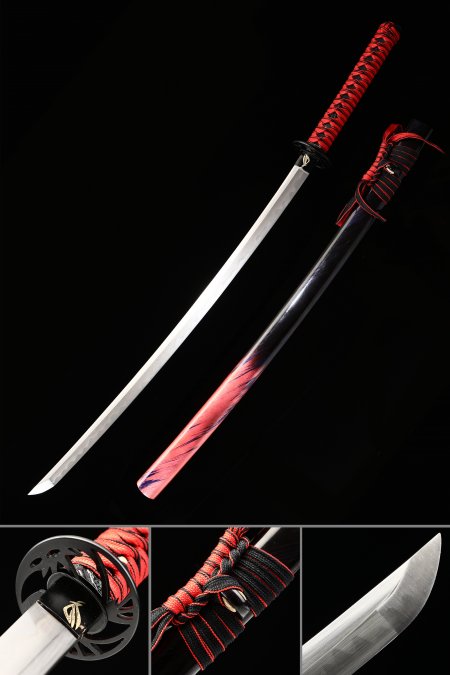
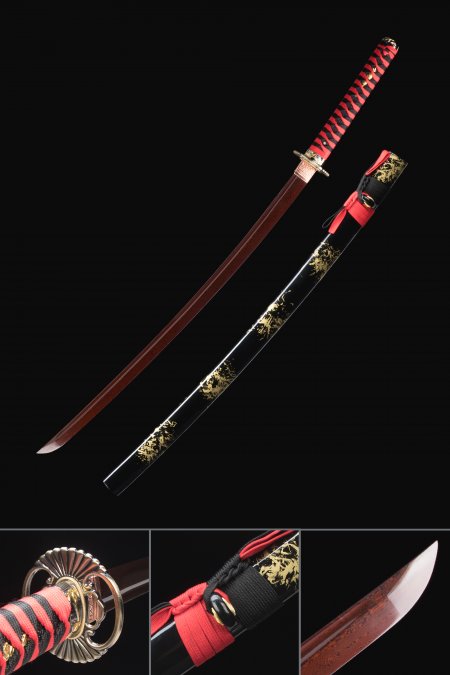
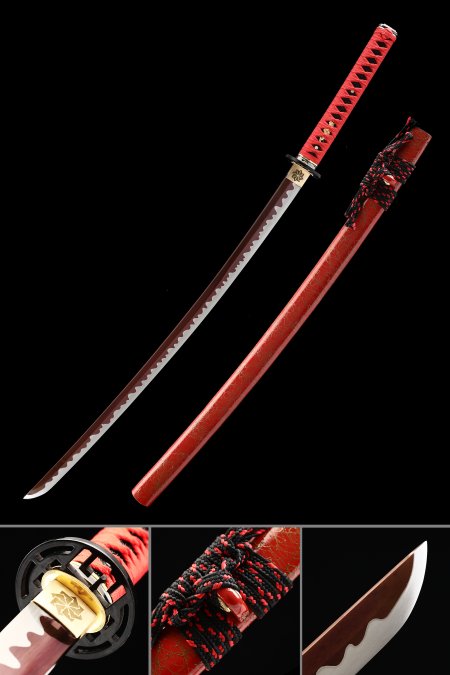
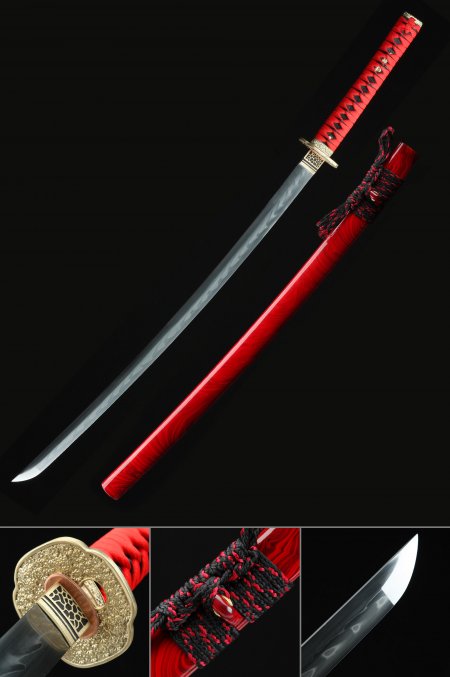
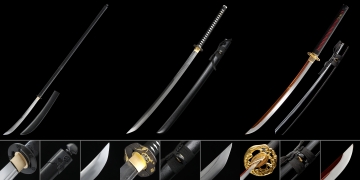
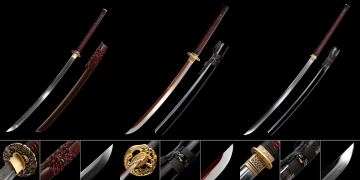
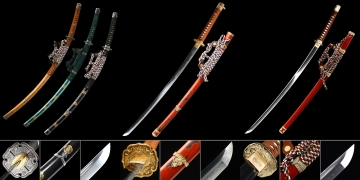
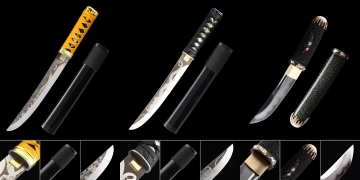
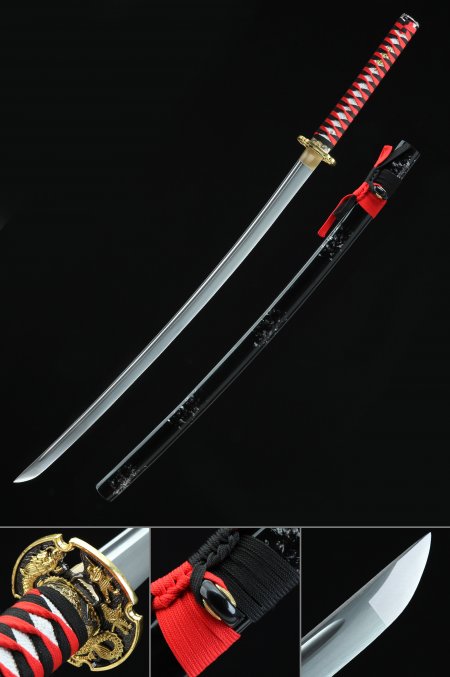
Red and black handle katana pieces bring together bold aesthetic contrast and traditional Japanese sword-making craft in a single collectible form. Each tsuka is wrapped in alternating red-and-black ito over authentic rayskin, paired with ornate tsuba and lacquered saya finishes that make every piece a striking display centerpiece. Enjoy free shipping on your order and hassle-free returns — building your collection should be as rewarding as owning it.
The sword is perfect. It is sharp and designed very well. I love the colors and the dragon design on the handle .
I just would like to know what type of oil i would need to keep up the maintenance on the sword if any one knows?
 |
1045 Carbon Steel Katana with Red and Black Ito Wrap - Dragon Tsuba in Gold Alloy with Black Piano Lacquer Saya |
Got this for my older brother and his face lit up. Definitely want to get more of these.
|
1045 Carbon Steel Katana with Red and Black Ito Wrap - Dragon Tsuba in Gold Alloy with Black Piano Lacquer Saya |
Super dast shipping thank you came just in time for my sons birthday. Great craftsmanship, sword is amazing its never a disappointment when ordering from you guys. Second sword i have ordered for my boys.
|
1045 Carbon Steel Katana with Red and Black Ito Wrap - Dragon Tsuba in Gold Alloy with Black Piano Lacquer Saya |
My husband loved this katana!!! The details were beautiful. Definitely a great add to his collection.
|
1045 Carbon Steel Katana with Red and Black Ito Wrap - Dragon Tsuba in Gold Alloy with Black Piano Lacquer Saya |
It would be a 5 star rating if there was an approximate delivery date on the tracker.
 |
Damascus Steel Red Blade Katana with Gold Foil Black Saya and Red-Black Ito Wrap - Collectible Sword |
A beautiful replica with wonderful detail. Delivery was extremely fast. Worth every penny and more.
|
1045 Carbon Steel Katana with Red and Black Ito Wrap - Dragon Tsuba in Gold Alloy with Black Piano Lacquer Saya |
I bought one for my son’s 18th birthday. He and his friends are into Asian culture, and they were all very impressed by the sword. It is beautifully crafted.
|
1045 Carbon Steel Katana with Red and Black Ito Wrap - Dragon Tsuba in Gold Alloy with Black Piano Lacquer Saya |
Great service today little longer due to customs, tracking wasn't great however my order got to me as expected. Would order again
|
1045 Carbon Steel Katana with Red and Black Ito Wrap - Dragon Tsuba in Gold Alloy with Black Piano Lacquer Saya |