How does clay-tempered 1095 differ from high-manganese steel?
Updated Mar 2026
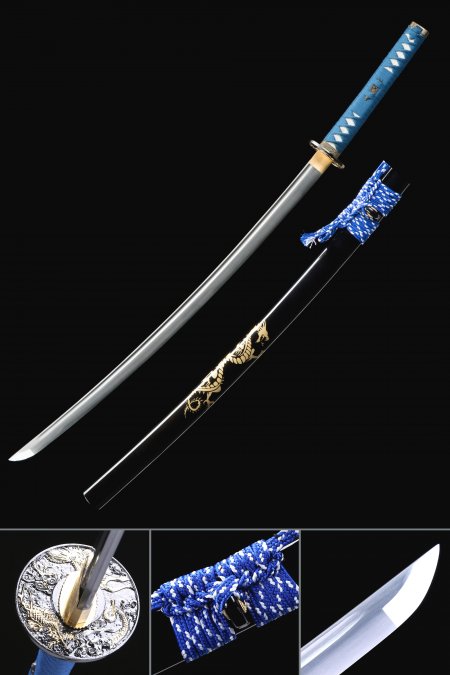
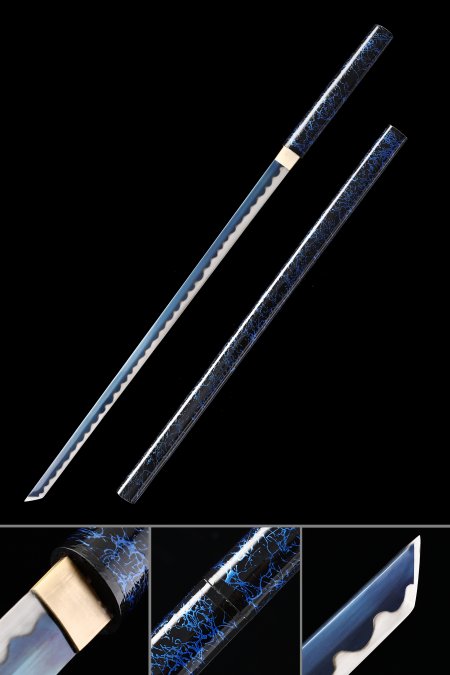
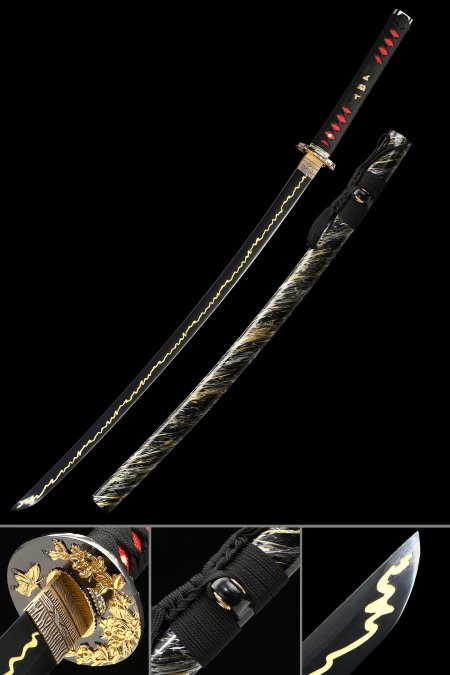
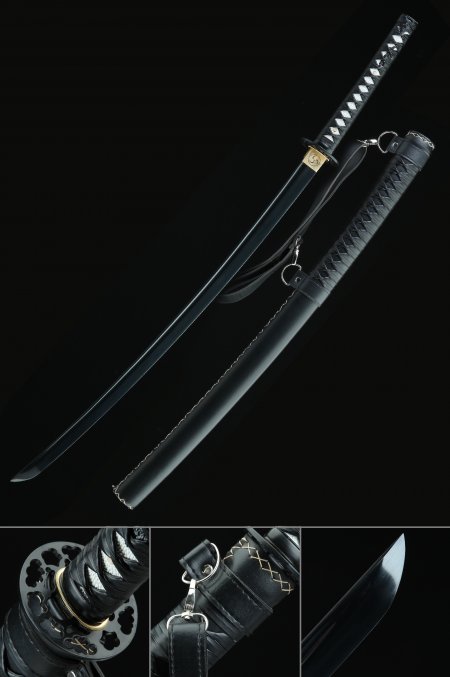
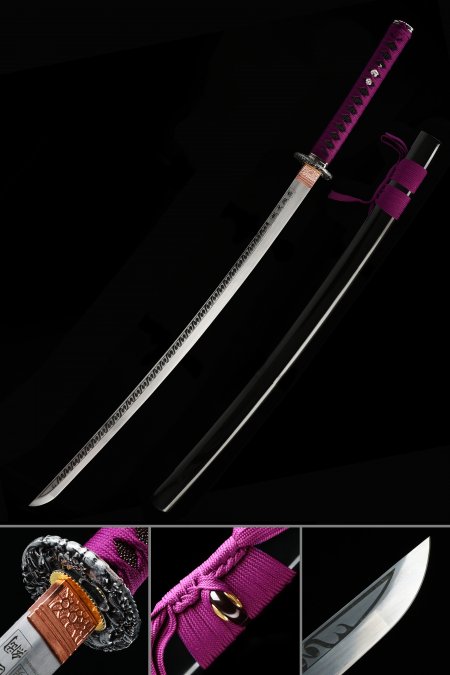
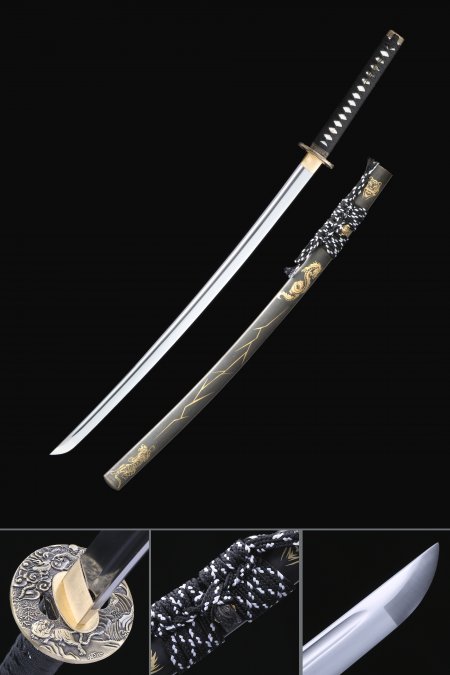
Clay-tempered 1095 high-carbon steel undergoes a two-zone hardening process: a layer of refractory clay is applied to the spine before quenching, causing the edge zone to harden rapidly into a tough martensitic structure while the spine cools more slowly and retains flexibility. The result is a visible, naturally formed hamon line along the edge - a feature that distinguishes hand-forged work from machine-ground production. High-manganese steel, by contrast, achieves its hardness through alloy chemistry rather than differential heat treatment. It is harder across the full cross-section and offers excellent resistance to surface wear and environmental oxidation, making it well-suited for long-term display in varied humidity conditions. For collectors who value traditional forging signatures, clay-tempered 1095 is the more historically resonant choice; for those prioritizing surface durability with minimal maintenance, high-manganese steel is a practical alternative.