How does clay tempering create a hamon on T10 steel tanto?
Updated Mar 2026
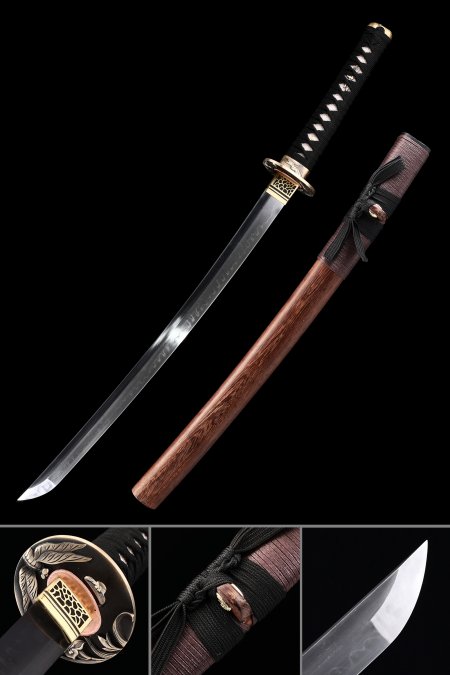
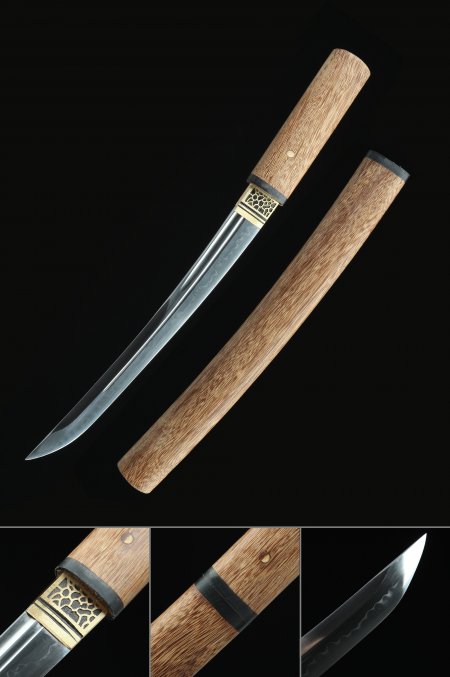
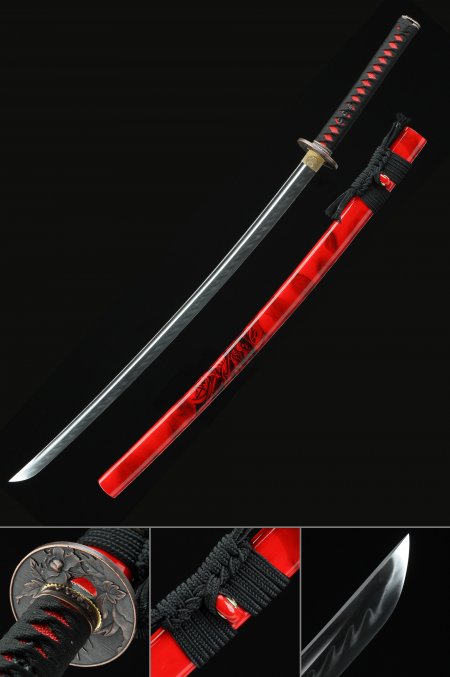
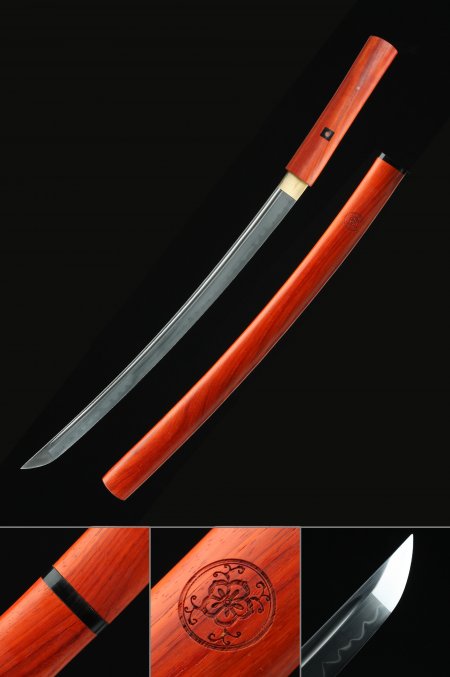
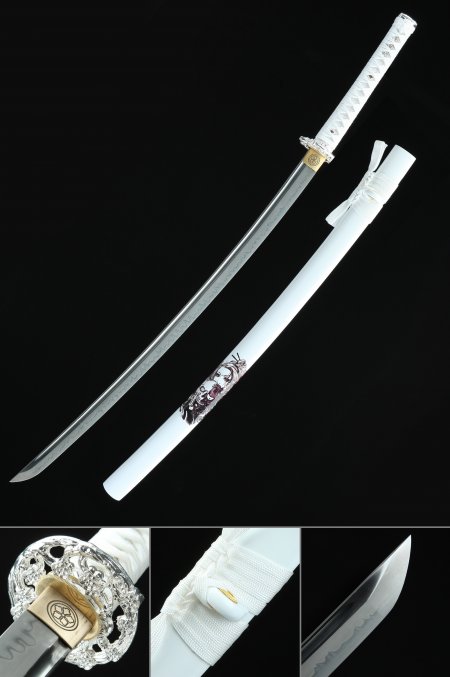
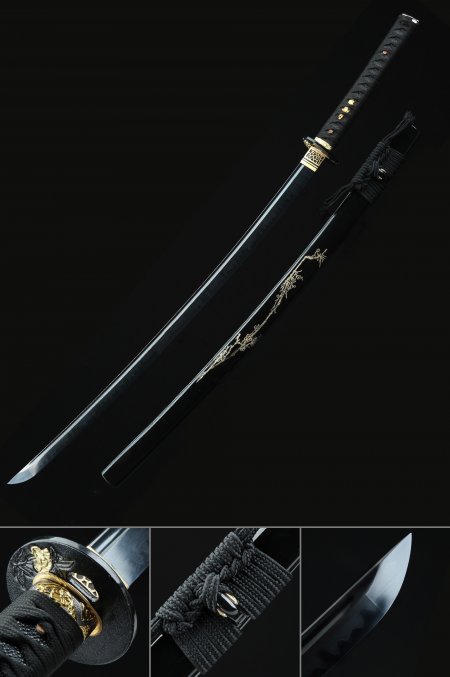
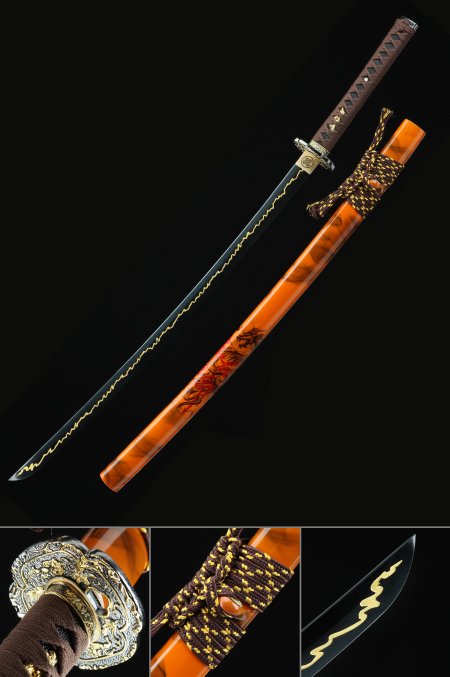
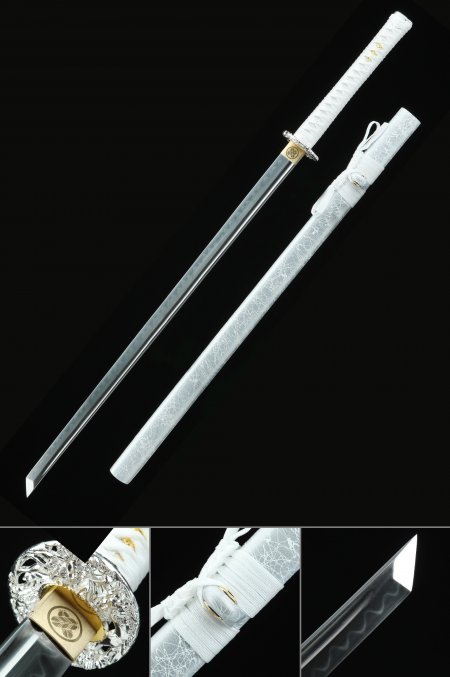
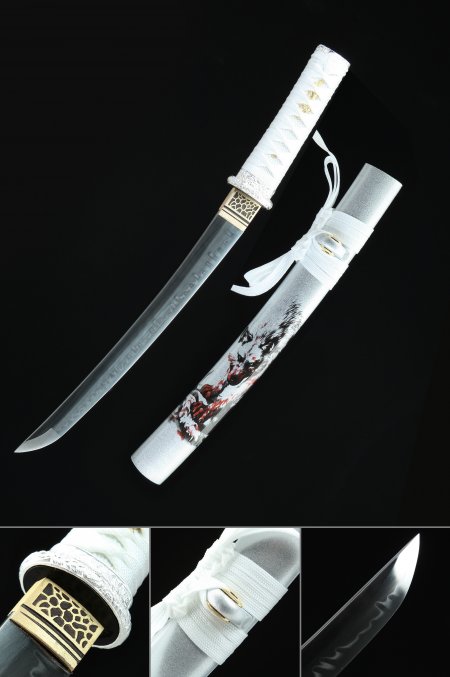
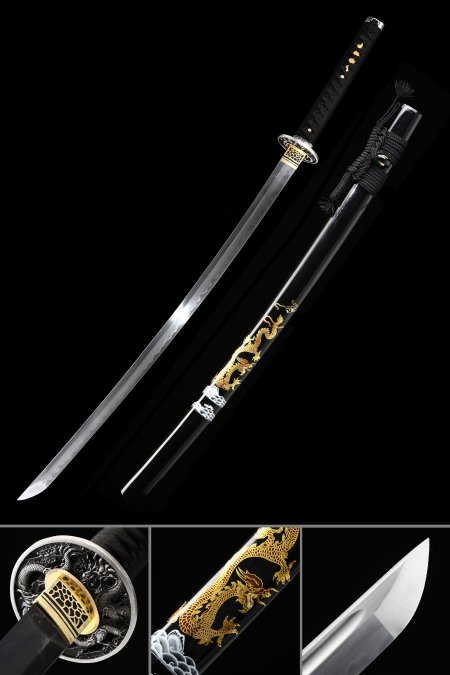
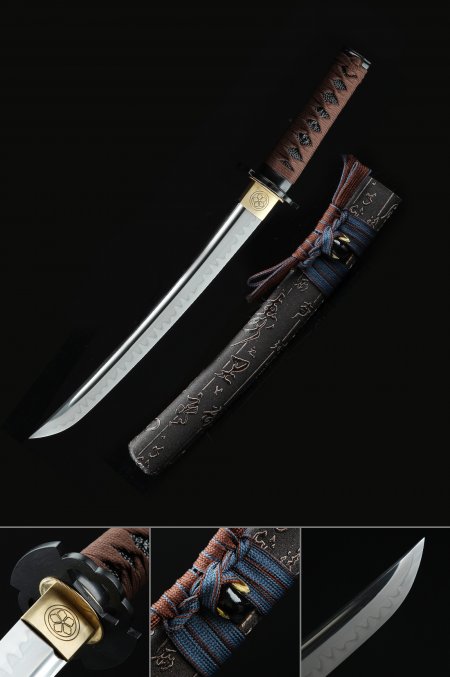
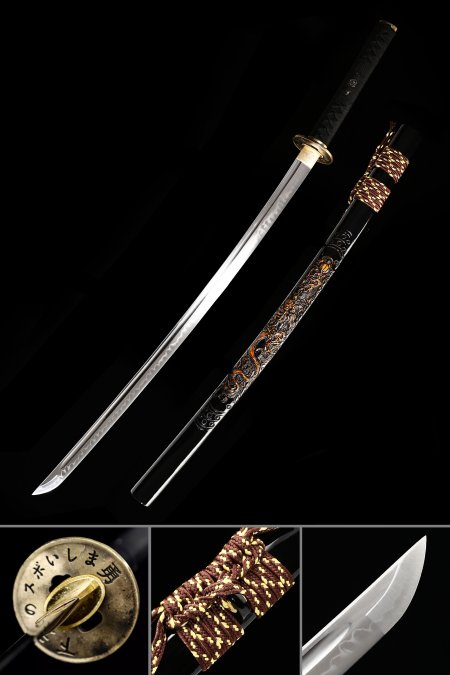
Clay tempering is a traditional Japanese heat-treatment technique applied to high-carbon steels like T10. Before hardening, the smith applies a thick layer of clay slurry along the spine of the blade and a thinner layer near the edge. When the blade is quenched in water, the edge - less insulated by clay - cools rapidly and becomes hard, while the spine cools slowly and stays more flexible. The boundary between these two zones forms the hamon: a visible, undulating temper line running along the blade. On T10 steel, the hamon appears with particular clarity because of the steel's high carbon content, which responds sharply to differential quenching. Each hamon is unique and is considered one of the primary markers of authentic traditional craft in Japanese-style blade making.