Dragon Blade Tanto
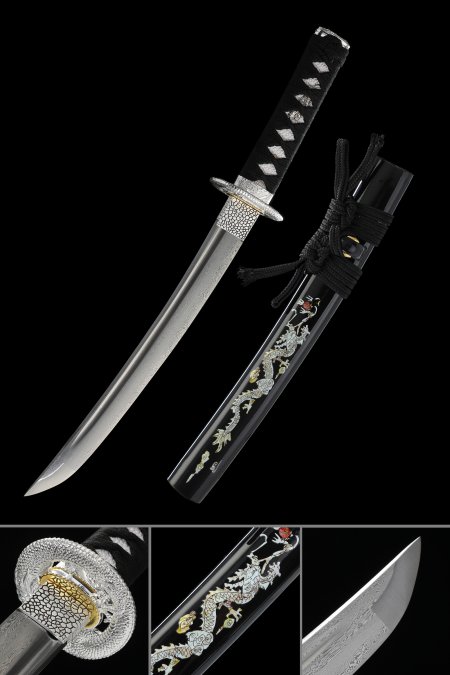
The Dragon Blade Tanto collection brings together meticulously hand-forged tantos crafted from Damascus steel and clay-tempered T10 carbon steel, each finished with layered lacquer saya, ornate tsuba, and cord-wrapped handles that reflect classical Japanese aesthetic tradition. From dragon-engraved blades to gold habaki and floral tsuba, every piece is designed as a refined display collectible for the serious enthusiast. Enjoy free shipping on your order, backed by our hassle-free return policy.
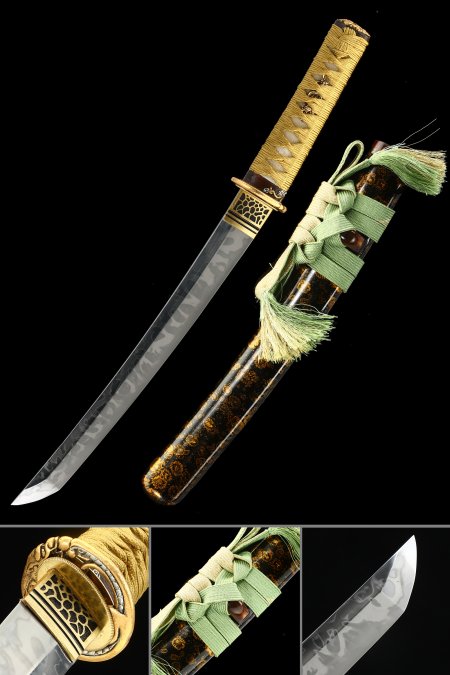
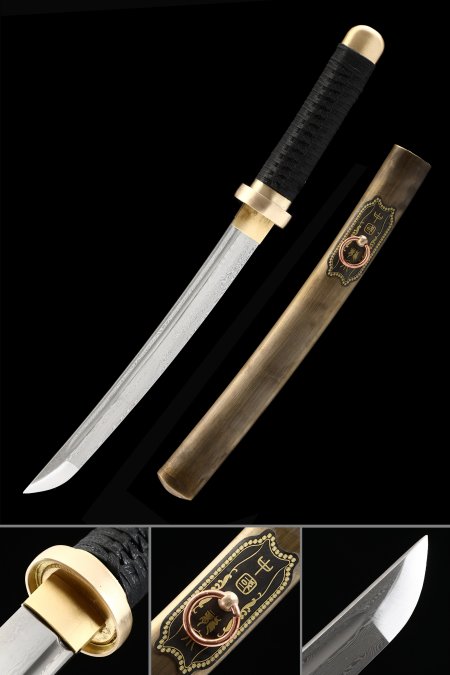
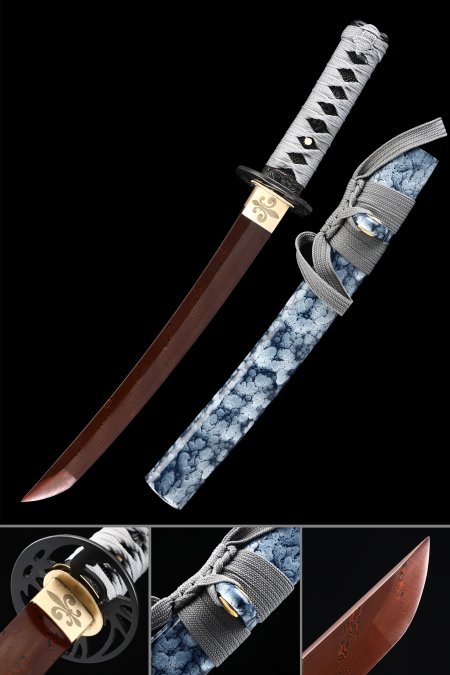
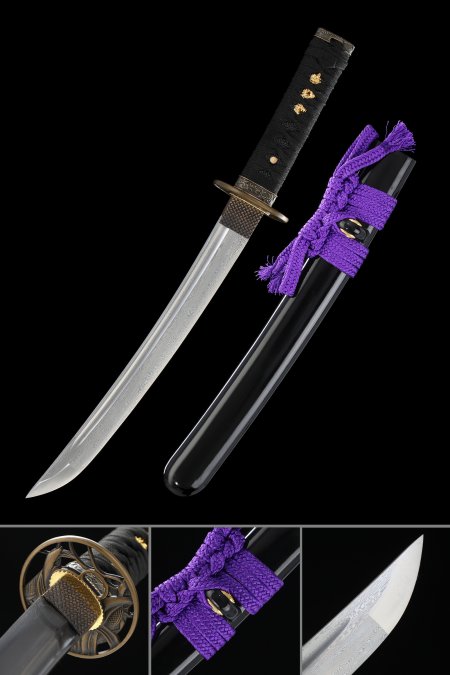
Related Collections
Flower Scabbard Katana30 items
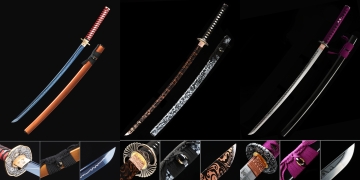
Wave Blade Katana83 items
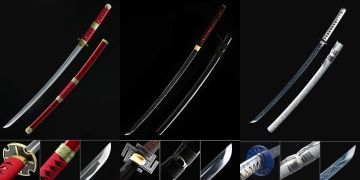
Geometric Tsuba Katana103 items
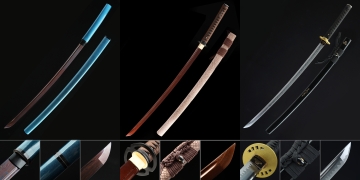
Plain Tsuba Katana89 items
Frequently Asked Questions
What makes Damascus steel tanto blades visually distinctive?
How does clay tempering create a hamon on T10 steel tanto?
How do Dragon Blade Tantos differ from standard tanto collectibles?
What is the best way to maintain a lacquered tanto saya?
Is a Dragon Blade Tanto a suitable gift for a blade collector?
Customer Reviews
Love it. It’s a beautiful work of art proud to have it. Great for my collection.
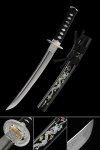 |
Damascus Steel Tanto with Dragon Hand-Painted Black Saya - Silver Alloy Tsuba, Black Cord |
Handmade Japanese Tanto Sword Damascus Steel
Amazing piece to my collection, never had a tatto before , but this one has sparked my frenzy for them , and I shall order all .
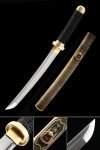 |
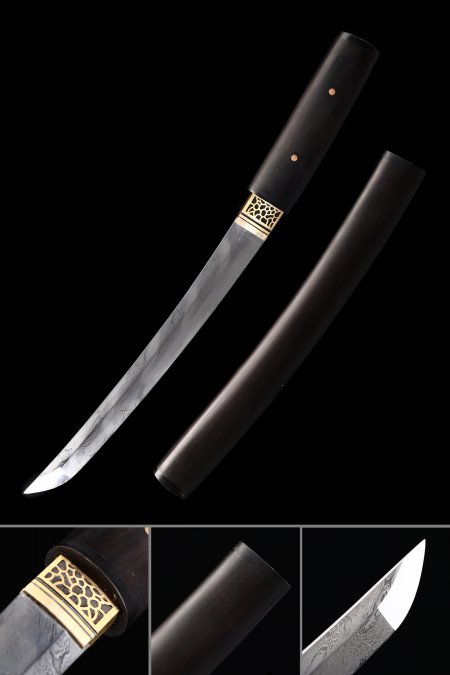
Damascus Steel Tanto with Bronze Saya, Gold Tsuba & Black Cord Handle - Modern Collectible |
The tanto is beautiful. The blade looks awesome. Customer service are great too. My scabbard came damaged so they sent out another scabbard to me without hassle. Would recommend for sure!
 |
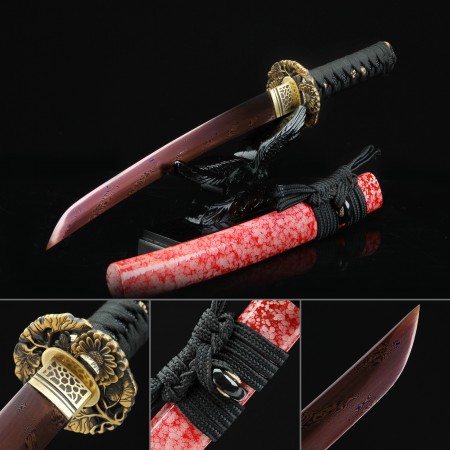
Clay Tempered T10 Steel Tanto with Red Damascus Blade and Floral Gold Tsuba in Red Lacquer Saya |
beautifully crafted. will be buying the matching katana soon
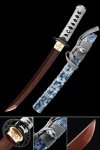 |
Damascus Steel Tanto with Red Blade - Blue Floral Hardwood Saya, White-Black Tsuka |
Was a beautiful blade all-in-all! I got it for my husband for Christmas and he loved it. Told me he liked it more than the katana I got him last year!! Well worth it for sure.
|
Clay Tempered T10 Steel Tanto with Red Damascus Blade and Floral Gold Tsuba in Red Lacquer Saya |
The tantos were acceptable overall. However one was too tight when fitting in the scabbard while the other was too loose. Otherwise, good blades.
|
Damascus Steel Tanto with Red Blade - Blue Floral Hardwood Saya, White-Black Tsuka |
Really nicely made .I will definitely be ordering from yall again in the future
|
Damascus Steel Tanto with Bronze Saya, Gold Tsuba & Black Cord Handle - Modern Collectible |
It was beautiful and my boyfriend loved it. It was exactly as pictured. I will be buying more for sure!
|
Clay Tempered T10 Steel Tanto with Red Damascus Blade and Floral Gold Tsuba in Red Lacquer Saya |