How does T10 clay-tempered steel differ from 1095 in these replicas?
Updated Mar 2026
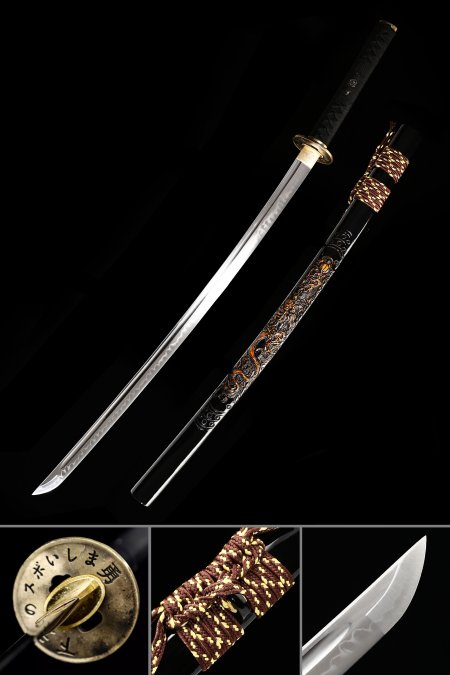
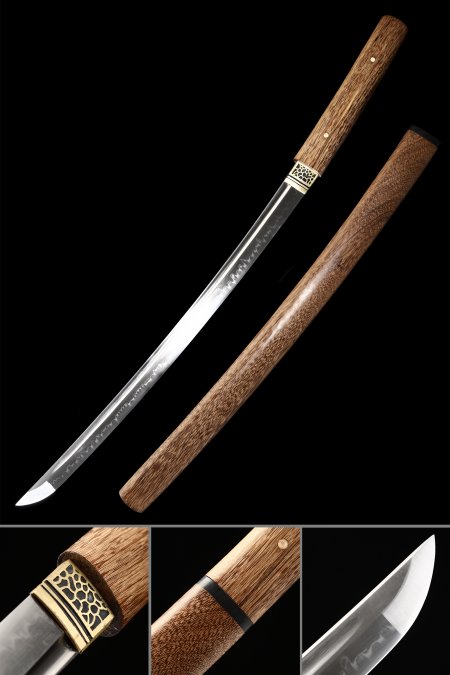
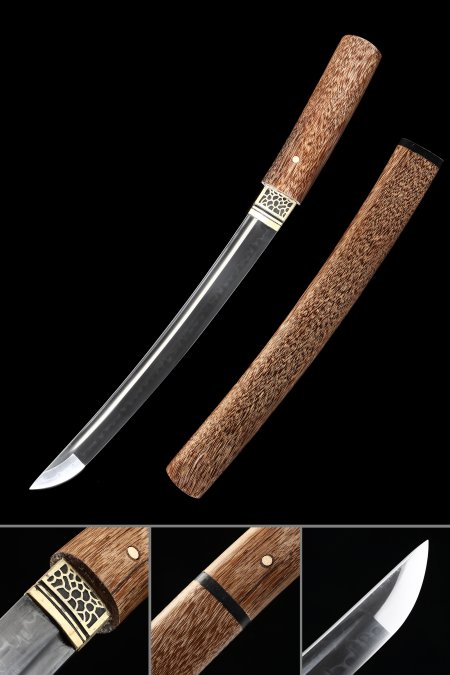
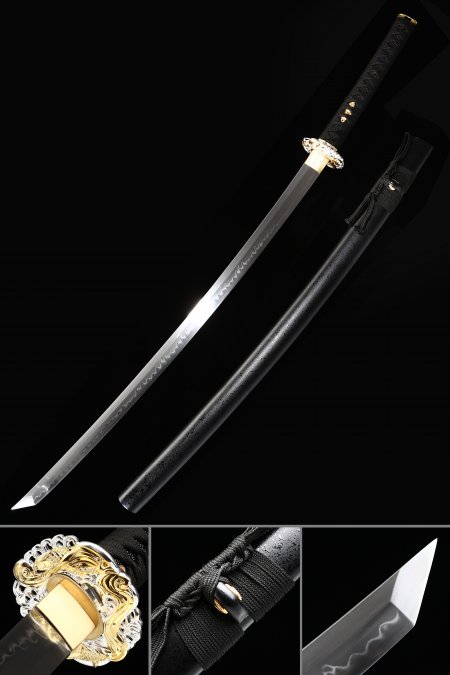
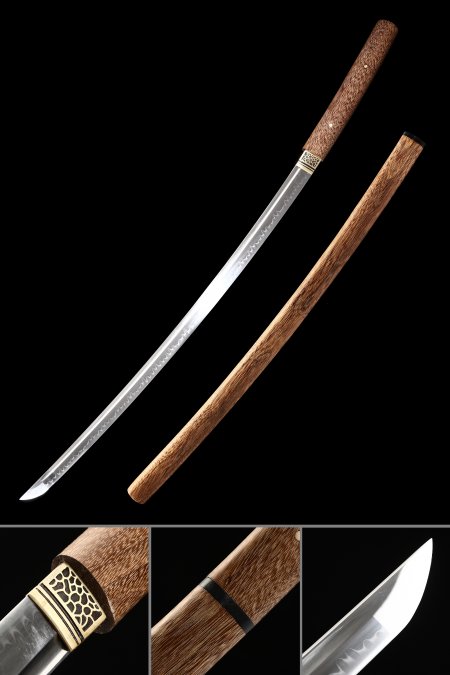
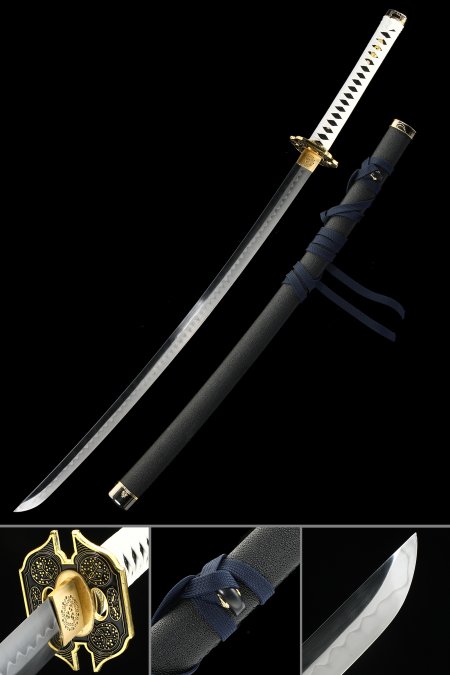
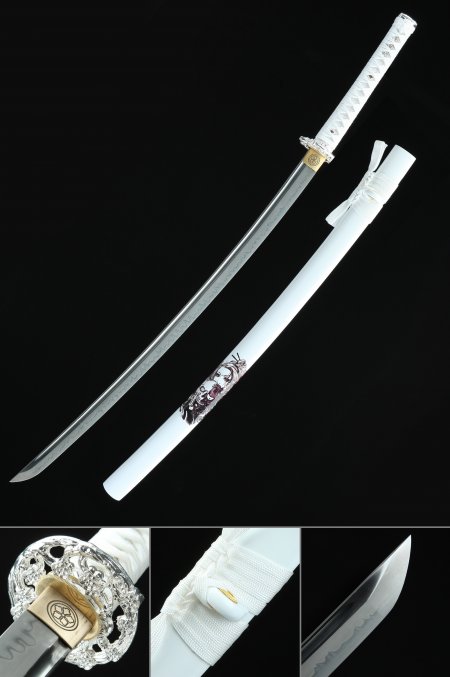
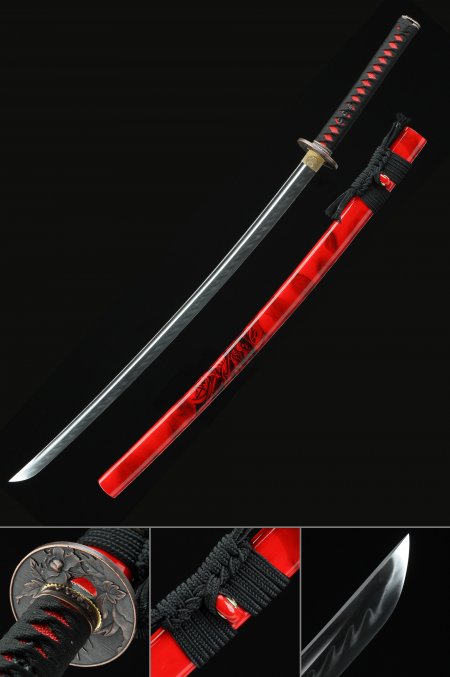
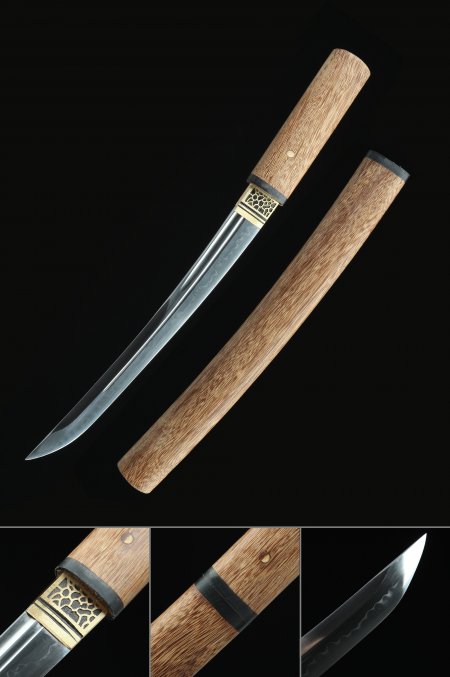
Both T10 and 1095 are high-carbon steels with similar hardness ranges, but they differ in composition and finishing potential. T10 contains a small amount of silicon and tungsten, which improves wear resistance and edge retention. More importantly for collectors, T10 is well-suited to clay tempering — a process where a clay mixture is applied along the spine before quenching, causing the edge and spine to cool at different rates. This creates a visible hamon, the wavy temper line that is one of the most prized visual features in traditional Japanese swordsmithing. A 1095 blade without clay tempering will have a more uniform appearance. If the visual authenticity of the hamon matters to your display, the T10 clay-tempered option is the more historically evocative choice.