What makes Damascus steel's pattern visible on the blade?
Updated Mar 2026
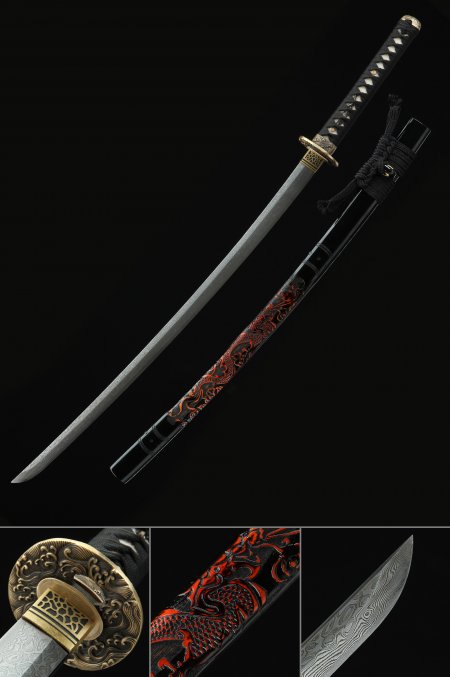
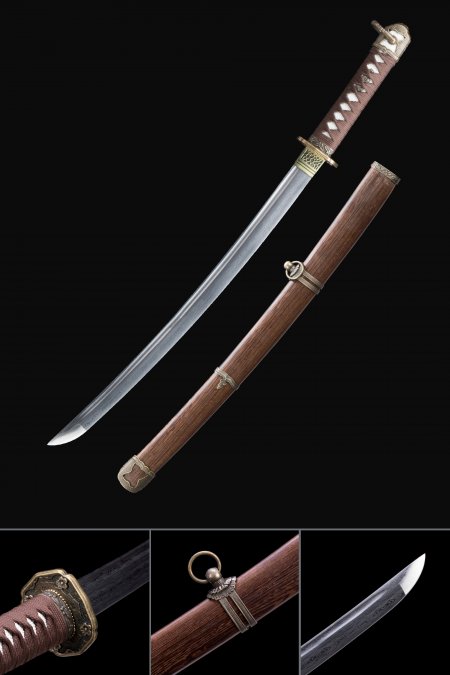
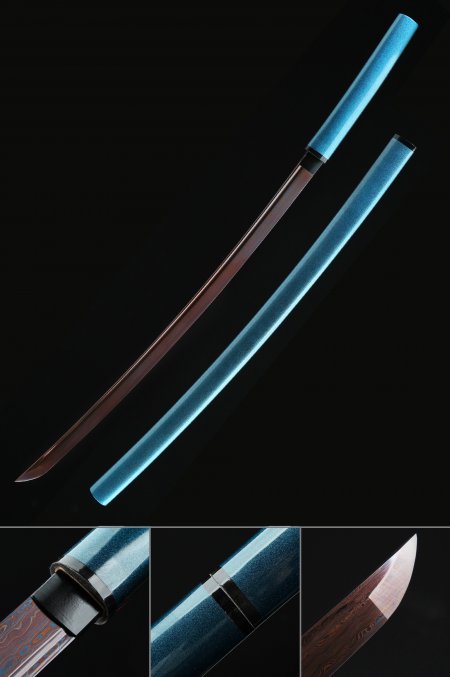
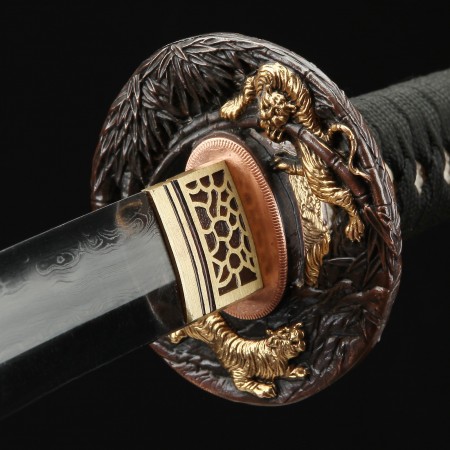
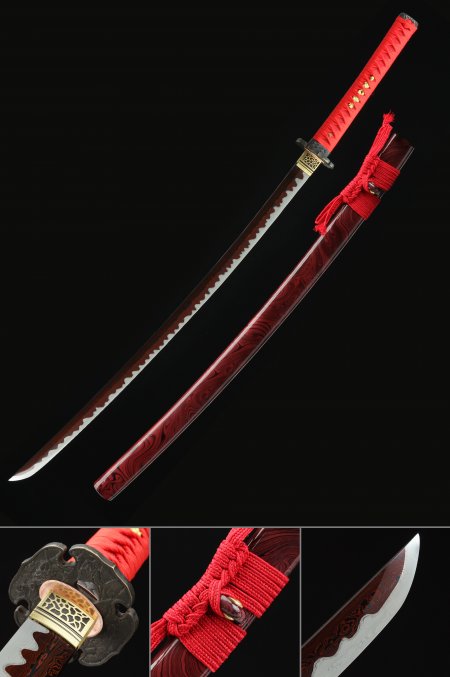
The layered pattern — called hada — is produced during forging when two or more steel compositions are welded together and repeatedly folded. Because the component steels have slightly different carbon content, they respond differently when the finished blade is submerged in an acid etching solution. The higher-carbon layers darken; the lower-carbon layers stay bright. The result is the flowing, wood-grain or water-ripple visual that defines Damascus steel aesthetics. On a well-forged blade, the pattern runs through the full cross-section of the steel, not just across the surface, which means it does not wear away with cleaning or light polishing the way a surface-only treatment would.