How does a ninjato differ from a katana in blade geometry?
Updated Mar 2026
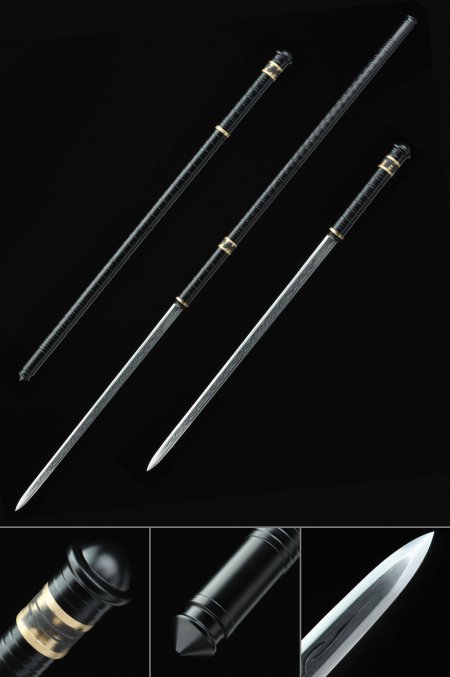
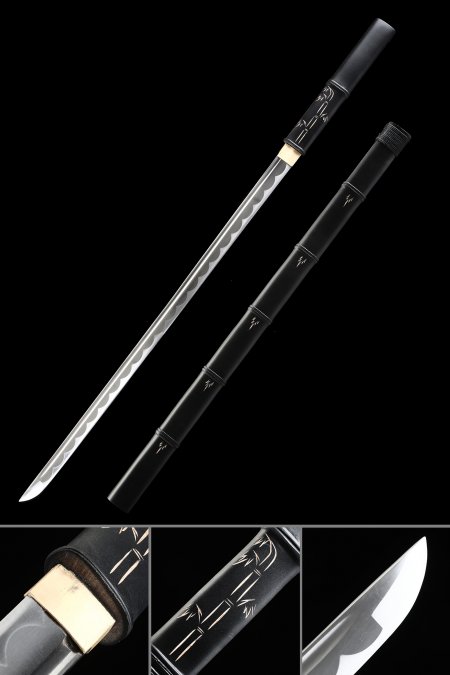
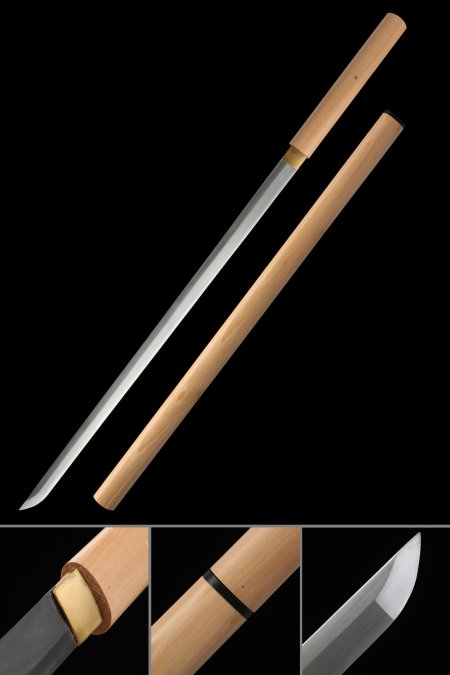
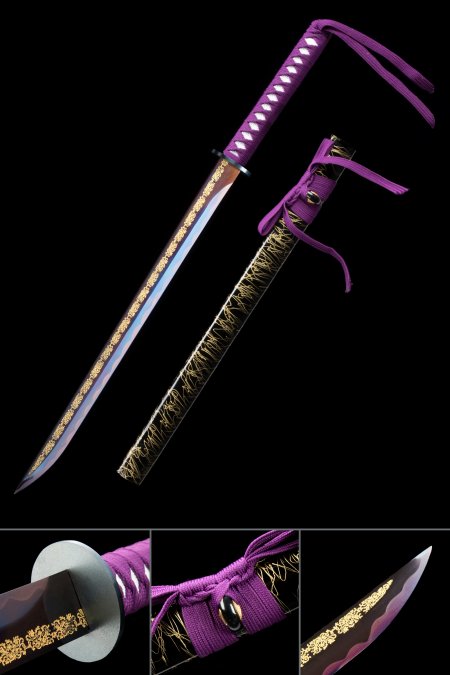
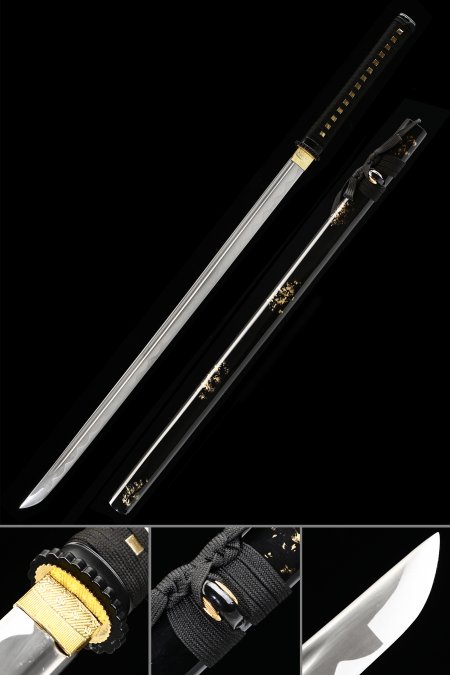
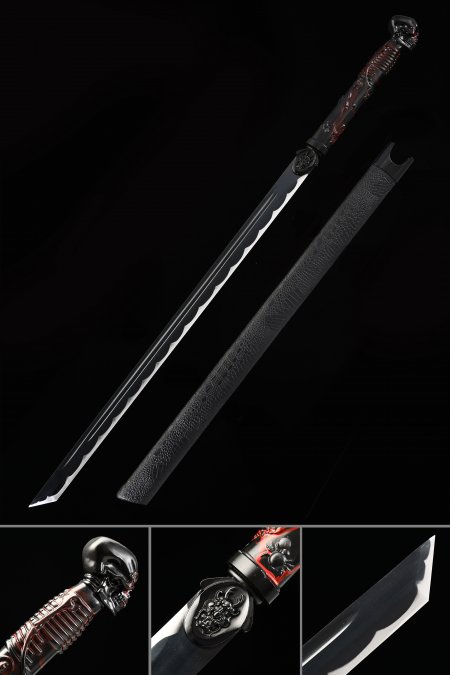
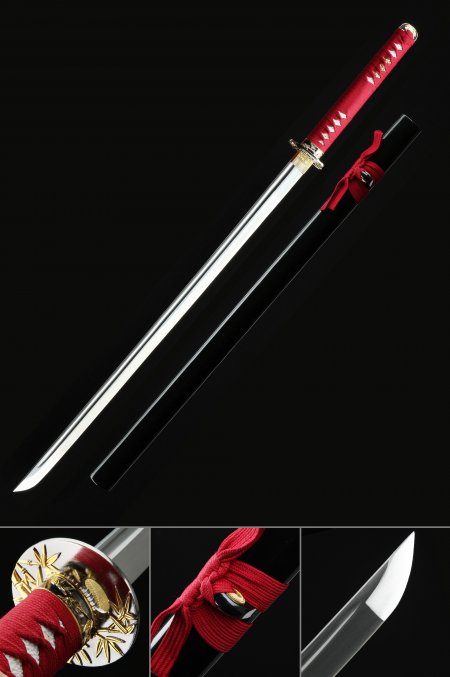
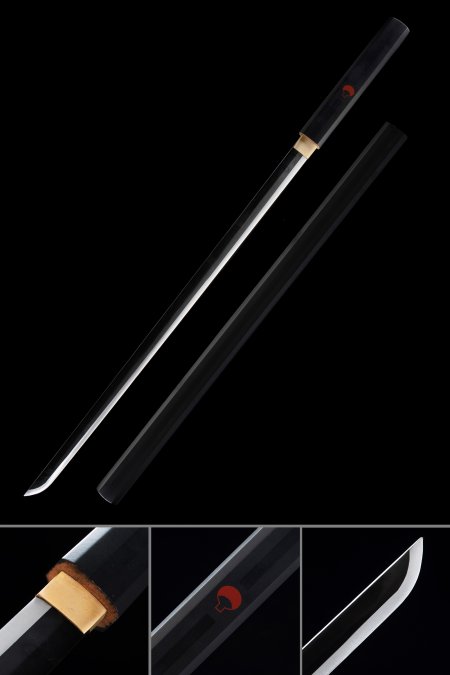
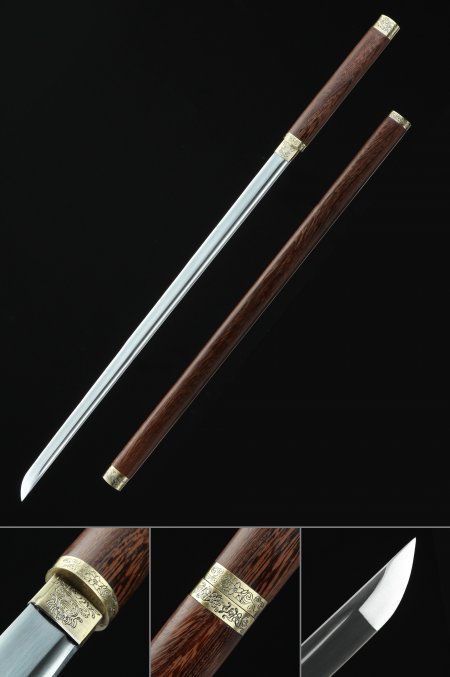
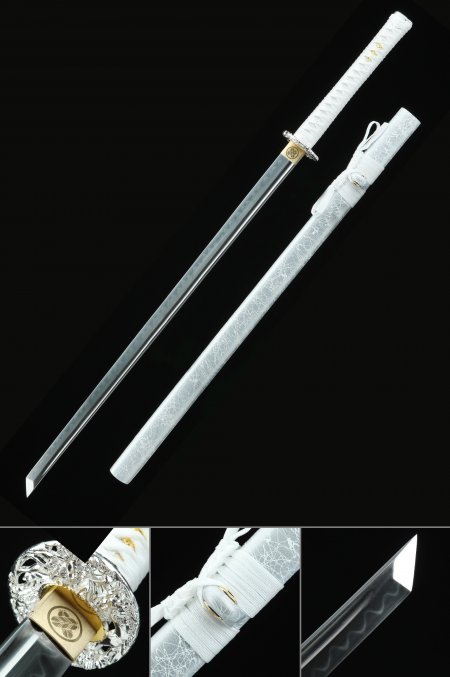
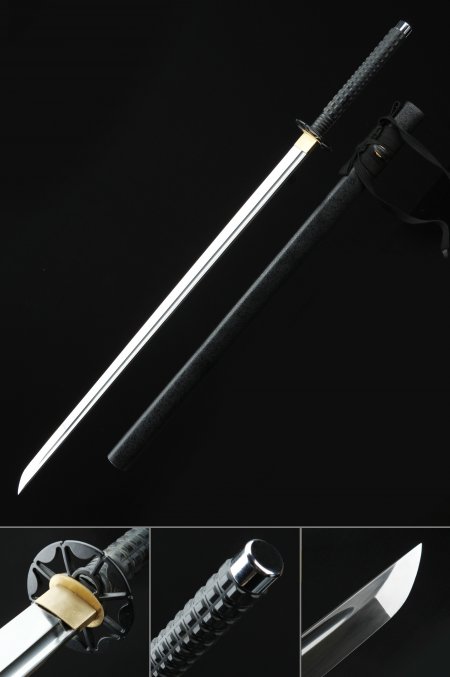
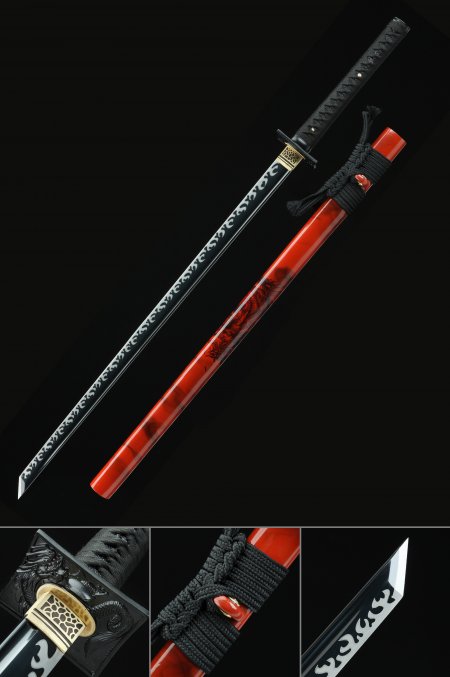
The most immediate difference is curvature. A katana features a pronounced sori — an intentional arc ground into the blade during the forging and shaping process — that gives it its iconic silhouette. A ninjato, by contrast, is typically rendered in a chokuto profile: a straight or very slightly curved blade that runs parallel from base to tip. This straight geometry changes the visual weight of the sword entirely, giving it a more austere, architectural presence on a display stand. The ninjato also tends to use a more compact tsuba and a shorter overall form factor. For collectors, the two styles complement each other well — the katana's sweeping curve reads as fluid and dynamic, while the ninjato's straight line reads as precise and geometric.