How should I display multiple tanto in a wall or tabletop case?
Updated Mar 2026
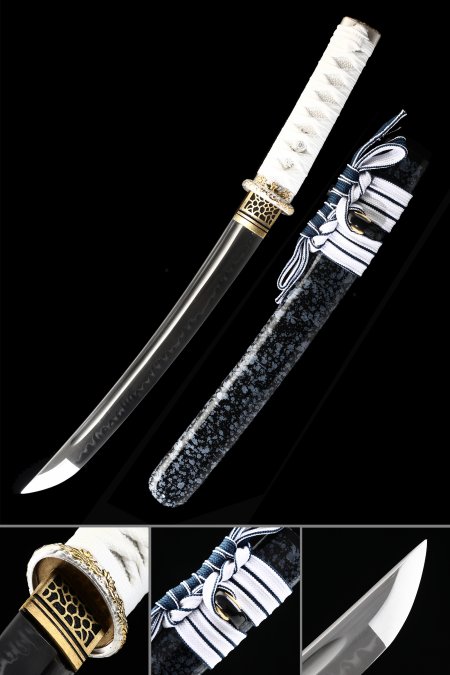
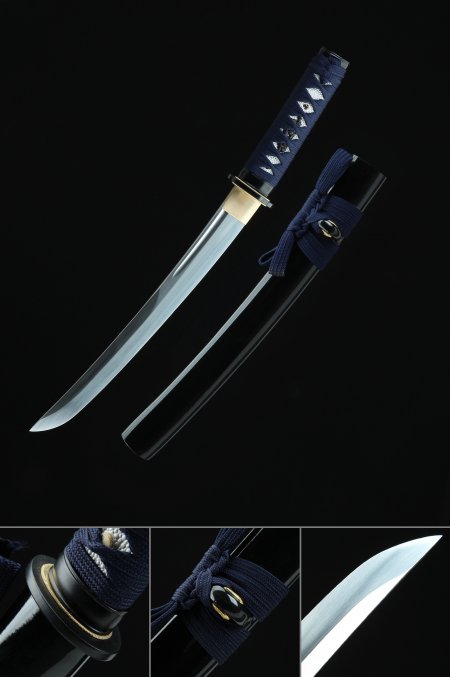
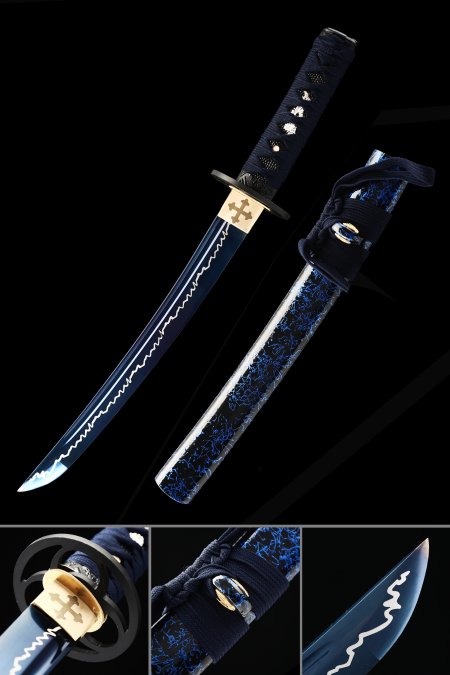
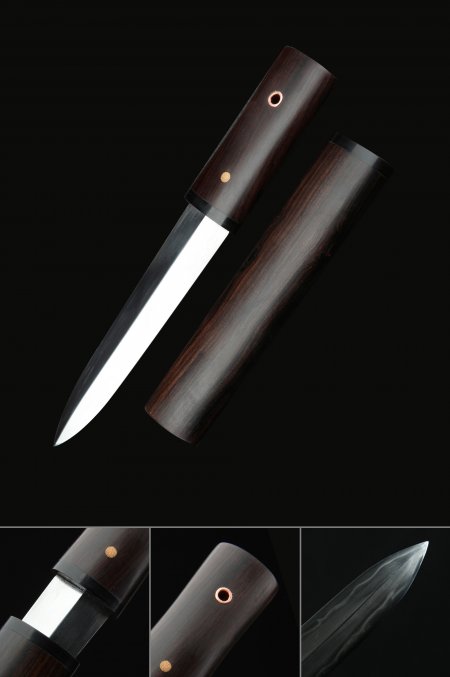
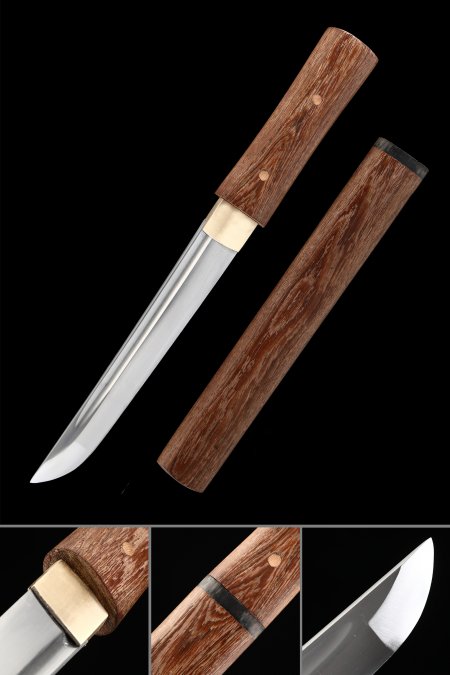
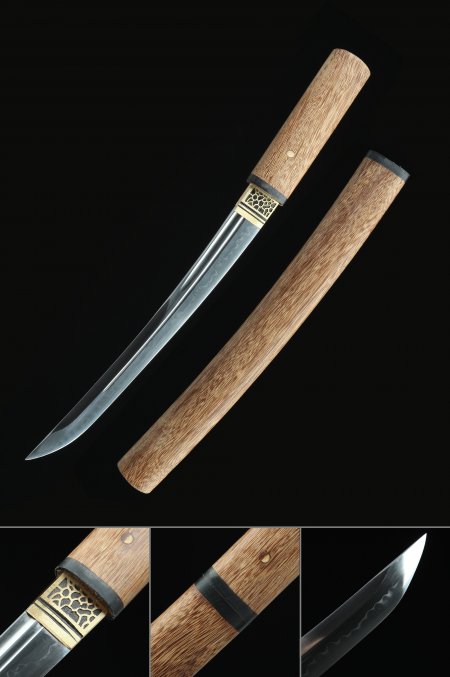
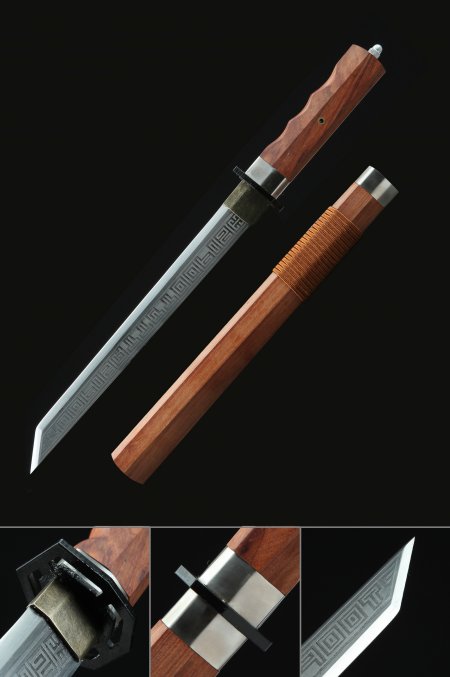
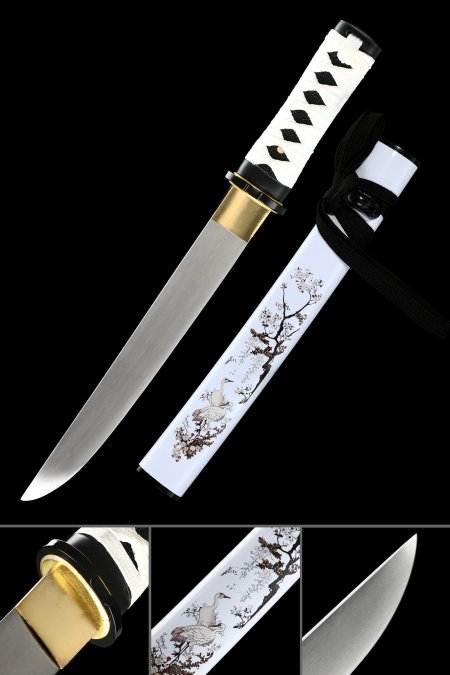
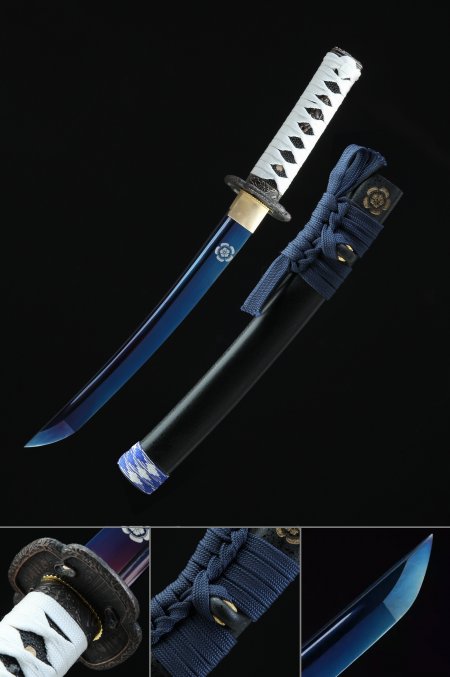
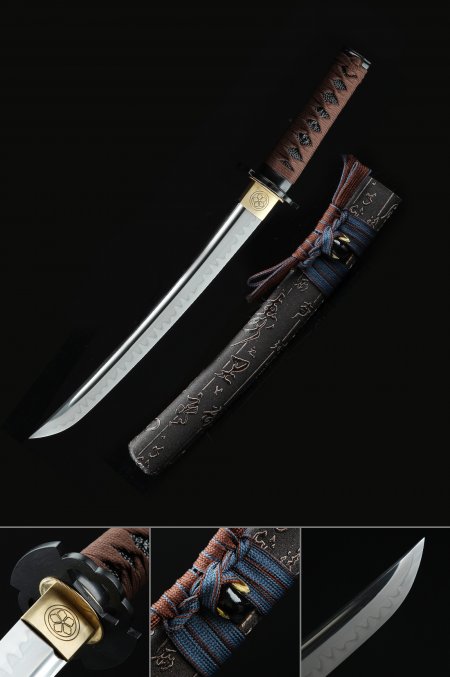
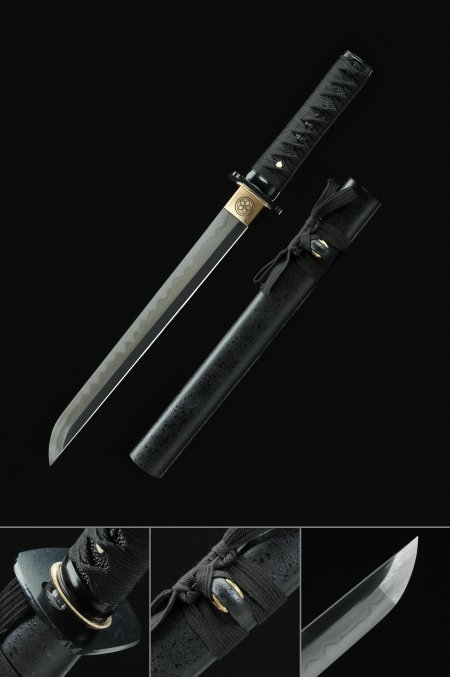
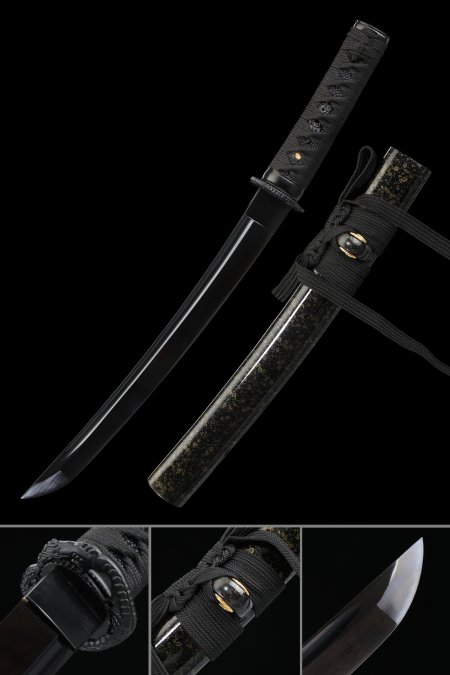
For a grouping of three or more tanto, visual rhythm matters more than strict matching. Alternate saya colors - pairing a black lacquer piece next to a white or rosewood saya - so each blade reads as an individual object rather than a repeating unit. Tsuba shape is a useful secondary organizing principle: round tsuba in the center flanked by irregular or sculpted forms creates a natural focal point. Horizontally mounted tanto on a tiered wall rack should face edge-down in the traditional Japanese orientation for a blade at rest. If using a tabletop stand, tilting each blade at a slightly different angle prevents the display from reading as a flat lineup. Keeping blades in their saya during display also protects the finish from UV exposure and airborne particulates over time.