What makes a black tsuba different from standard iron fittings?

 Updated Mar 2026

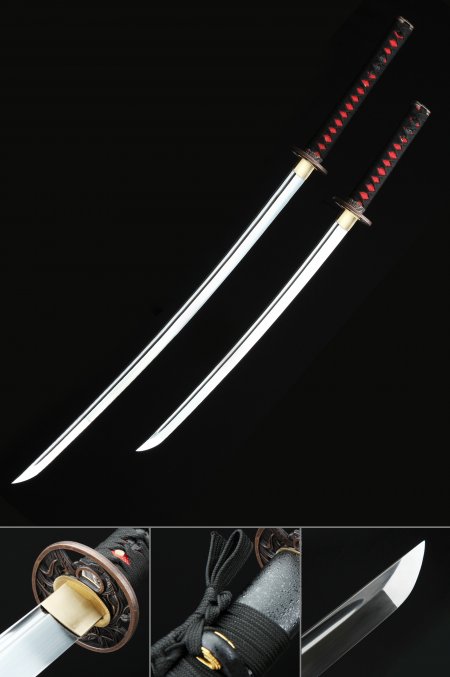
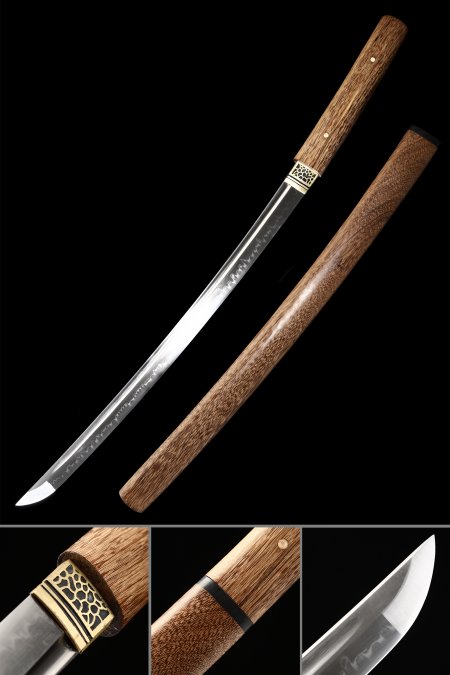
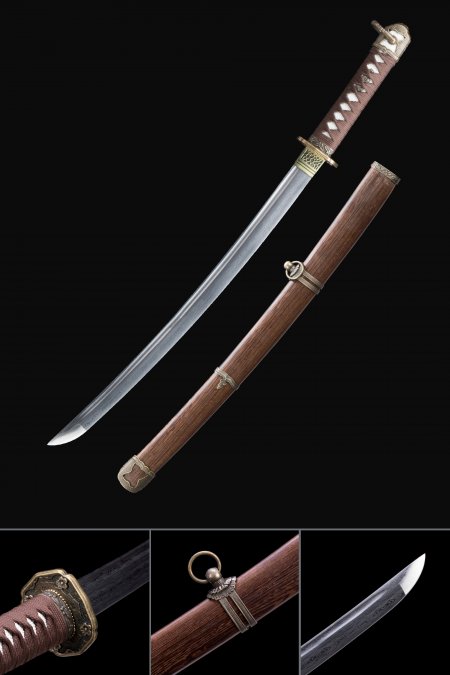
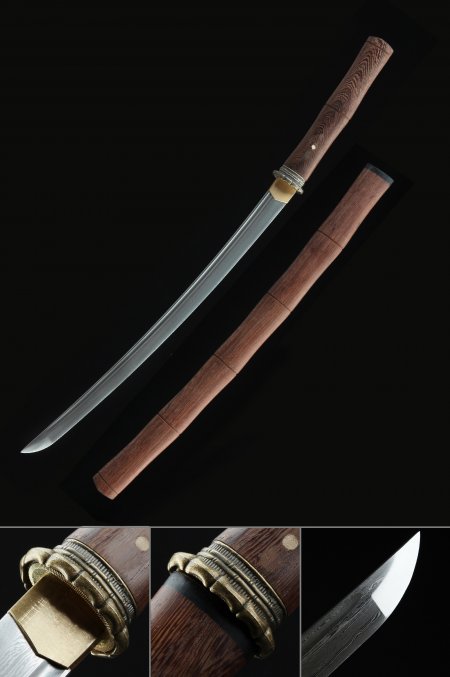
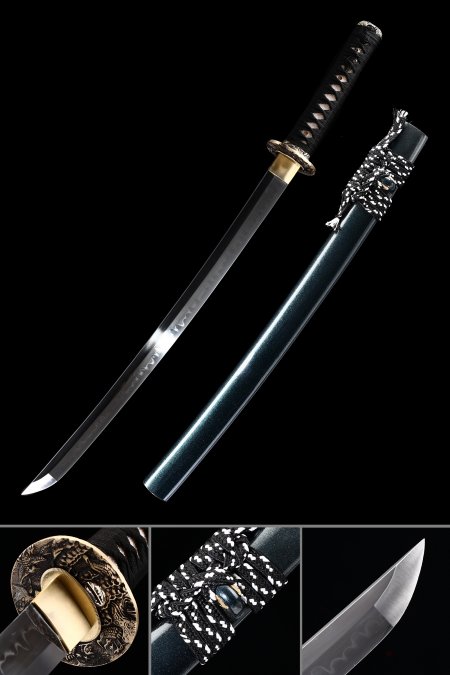
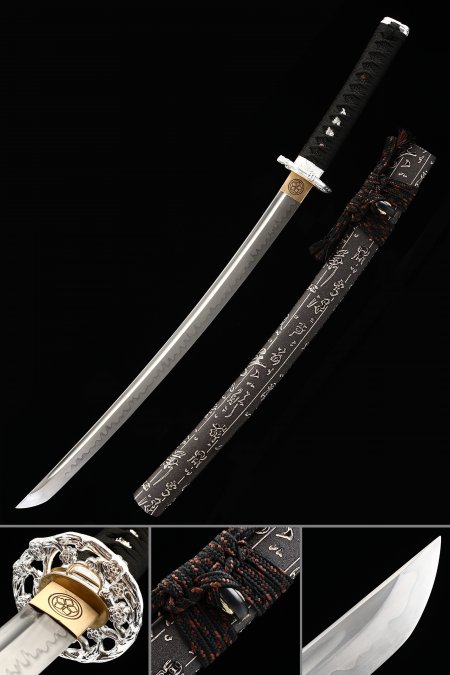
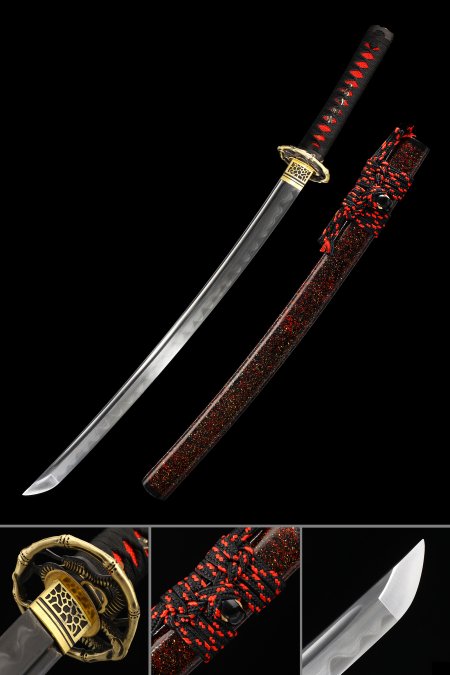
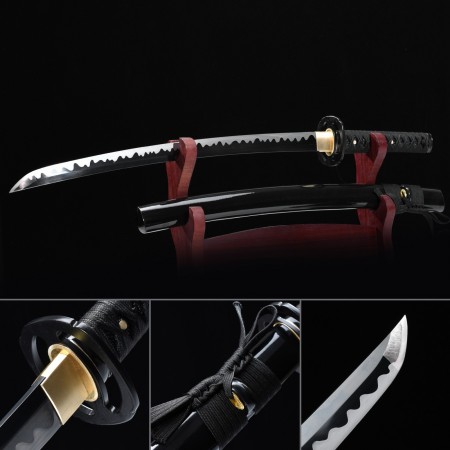
A black tsuba is typically produced through one of two methods: traditional iron oxidation, where the metal develops a dark surface through controlled exposure to heat and moisture, or a modern blackening finish applied over steel or iron. On higher-grade collectible wakizashi, the former method produces a subtly textured, non-uniform darkness that shifts slightly under different lighting conditions — a quality that distinguishes it from a painted or coated surface. The black finish also serves a compositional role, grounding the sword's overall color palette and allowing handle wraps, menuki, and saya lacquer in bolder tones to register more vividly against it.
Popular Products

20% OFFwakizashi sword
219.00 USD
279.00 USD
15% OFFblack wakizashi
189.00 USD
219.00 USD
20% OFFkatana set
249.00 USD
309.00 USD
20% OFFshirasaya wakizashi
179.00 USD
219.00 USD
15% OFFww2 wakizashi
169.00 USD
199.00 USD
15% OFFshort katana
199.00 USD
239.00 USD
15% OFFwakizashi sword
239.00 USD
279.00 USD
15% OFFshirasaya wakizashi
319.00 USD
379.00 USD
20% OFFshort katana
219.00 USD
269.00 USD
20% OFFmodern wakizashi
209.00 USD
259.00 USD
20% OFFjapanese wakizashi
229.00 USD
289.00 USD
15% OFFshort katana
189.00 USD
219.00 USD
20% OFFwakizashi sword
219.00 USD
279.00 USD
15% OFFblack wakizashi
189.00 USD
219.00 USD
20% OFFkatana set
249.00 USD
309.00 USD
20% OFFshirasaya wakizashi
179.00 USD
219.00 USD
15% OFFww2 wakizashi
169.00 USD
199.00 USD
15% OFFshort katana
199.00 USD
239.00 USD
15% OFFwakizashi sword
239.00 USD
279.00 USD
15% OFFshirasaya wakizashi
319.00 USD
379.00 USD
20% OFFshort katana
219.00 USD
269.00 USD
20% OFFmodern wakizashi
209.00 USD
259.00 USD
20% OFFjapanese wakizashi
229.00 USD
289.00 USD
15% OFFshort katana
189.00 USD
219.00 USD

Explore Our Collections