Is Damascus steel on a wakizashi purely decorative or structural?

 Updated Mar 2026

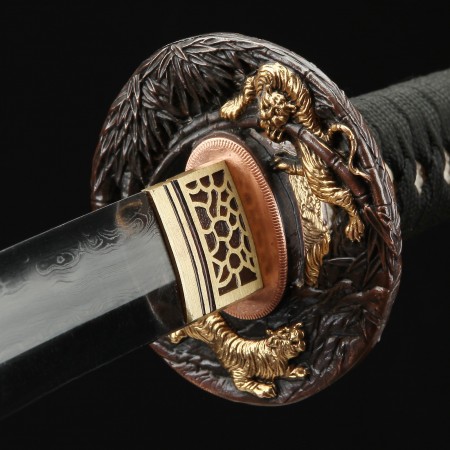
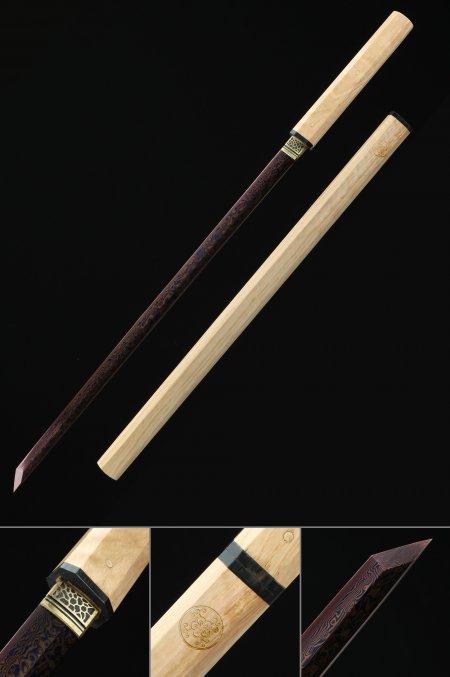
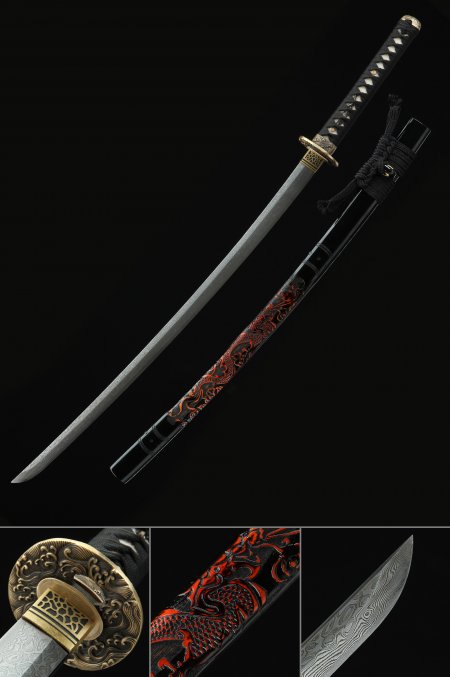
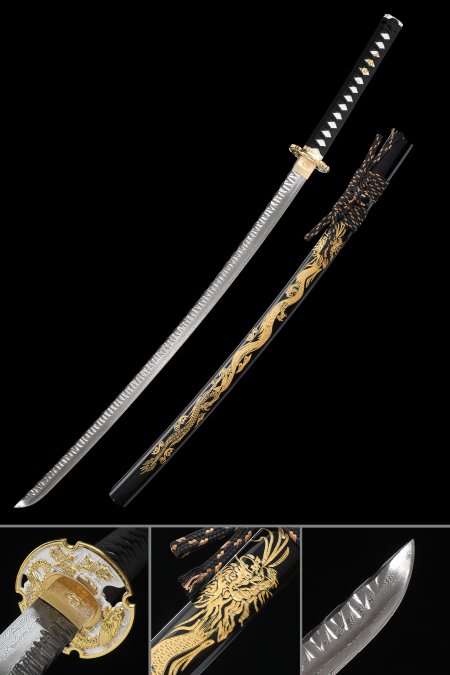
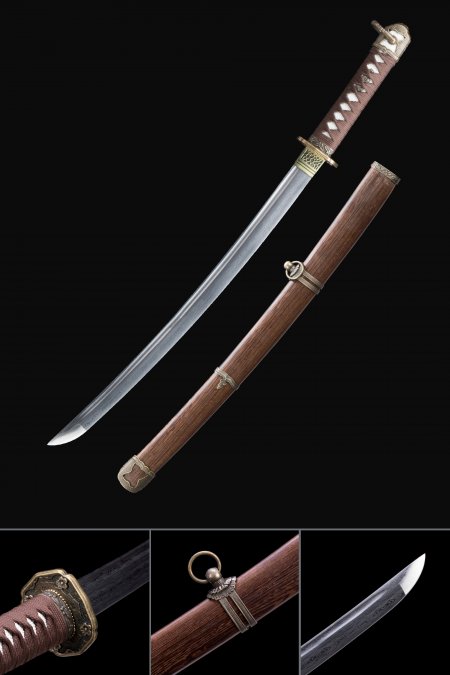
The patterned surface on a Damascus steel wakizashi is the direct result of the construction method: multiple steel billets are forge-welded, folded, and drawn out repeatedly, creating distinct grain lines that become visible after acid etching. This process is genuinely structural — the folding distributes carbon more evenly and refines the grain of the steel — though on a display-grade collectible, the visual impact is often the primary reason collectors choose it. The flowing, watered-silk patterns mean no two blades are identical, which is a significant consideration for collectors who value uniqueness. Paired with a dragon tsuba, the layered surface of a Damascus blade creates a visually cohesive piece where organic patterning in the steel complements the mythological scale motifs in the guard.
Popular Products

15% OFFblack katana
179.00 USD
209.00 USD
20% OFFdamascus katana
619.00 USD
769.00 USD
15% OFFreal katana
649.00 USD
769.00 USD
20% OFFmodern wakizashi
209.00 USD
259.00 USD
15% OFFkatana sword
199.00 USD
229.00 USD
20% OFFsamurai sword
289.00 USD
359.00 USD
15% OFFshikomizue sword
229.00 USD
269.00 USD
20% OFFdamascus katana
309.00 USD
389.00 USD
20% OFFblack katana
159.00 USD
199.00 USD
20% OFFdamascus katana
329.00 USD
409.00 USD
20% OFFdamascus katana
279.00 USD
349.00 USD
15% OFFww2 wakizashi
169.00 USD
199.00 USD
15% OFFblack katana
179.00 USD
209.00 USD
20% OFFdamascus katana
619.00 USD
769.00 USD
15% OFFreal katana
649.00 USD
769.00 USD
20% OFFmodern wakizashi
209.00 USD
259.00 USD
15% OFFkatana sword
199.00 USD
229.00 USD
20% OFFsamurai sword
289.00 USD
359.00 USD
15% OFFshikomizue sword
229.00 USD
269.00 USD
20% OFFdamascus katana
309.00 USD
389.00 USD
20% OFFblack katana
159.00 USD
199.00 USD
20% OFFdamascus katana
329.00 USD
409.00 USD
20% OFFdamascus katana
279.00 USD
349.00 USD
15% OFFww2 wakizashi
169.00 USD
199.00 USD

Explore Our Collections