What does sageo color traditionally signify on a katana?
Updated Mar 2026
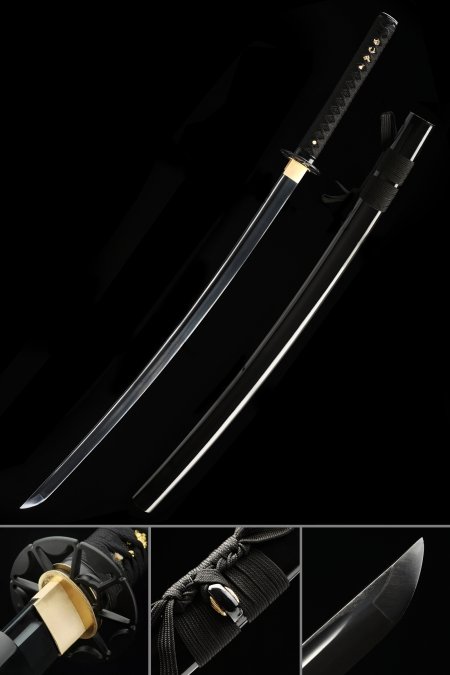
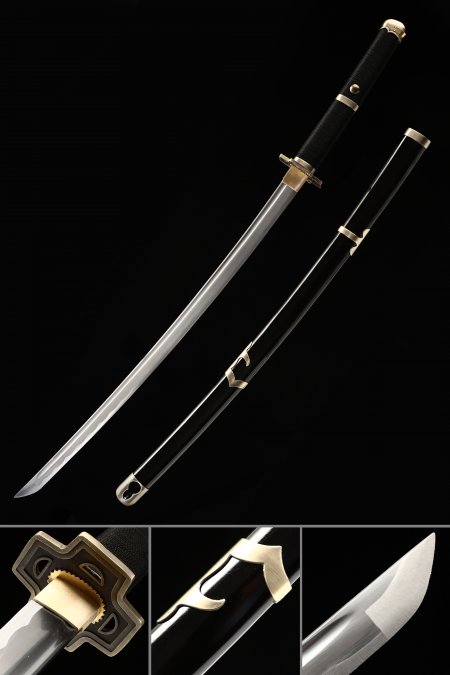
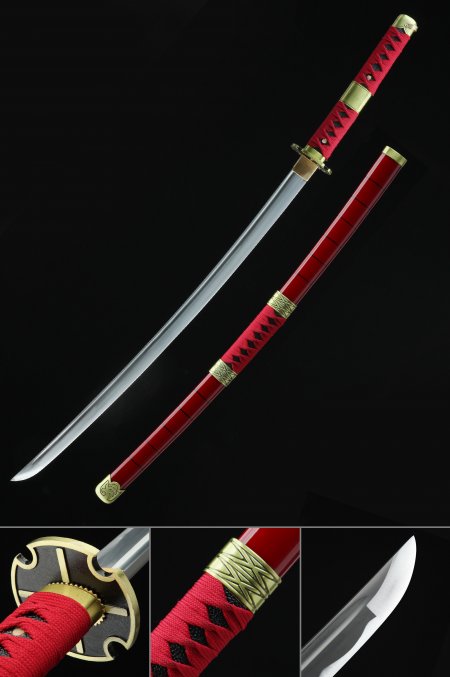
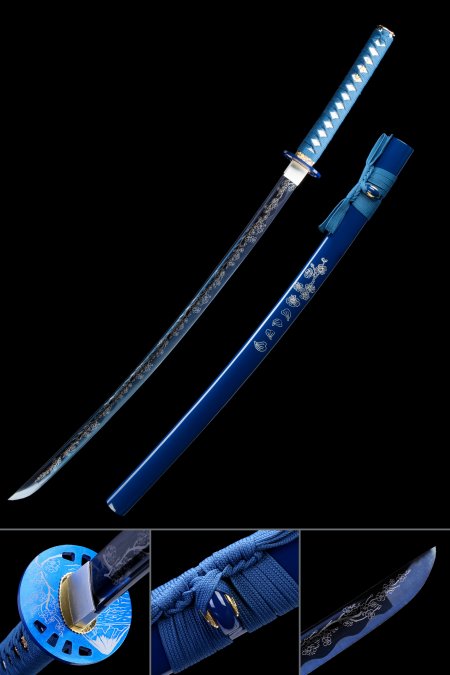
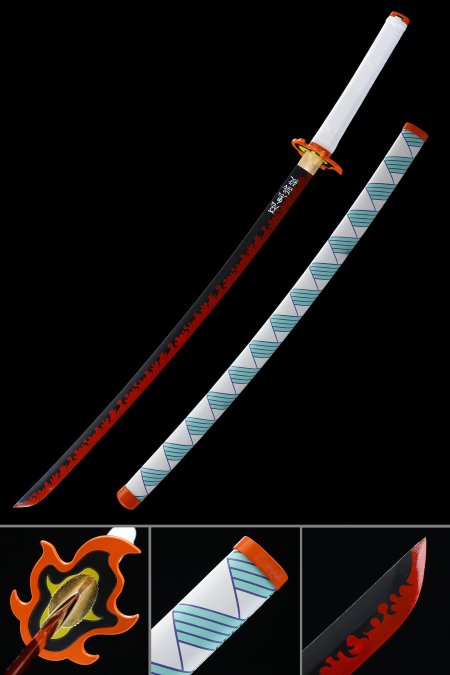
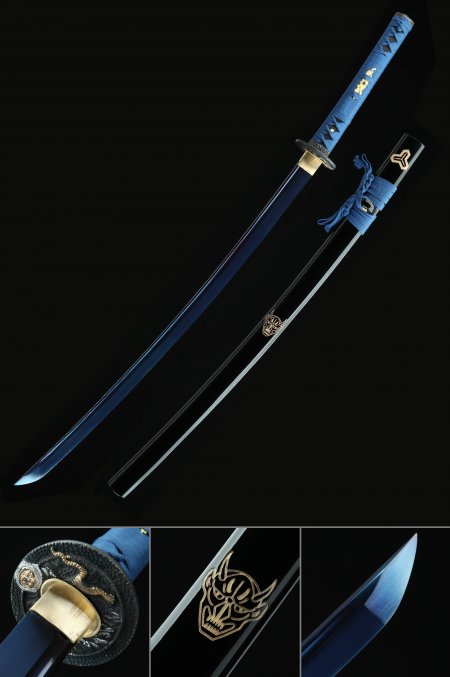
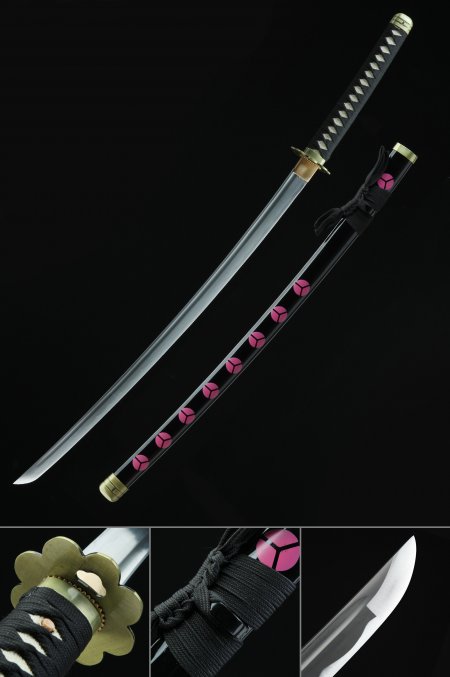
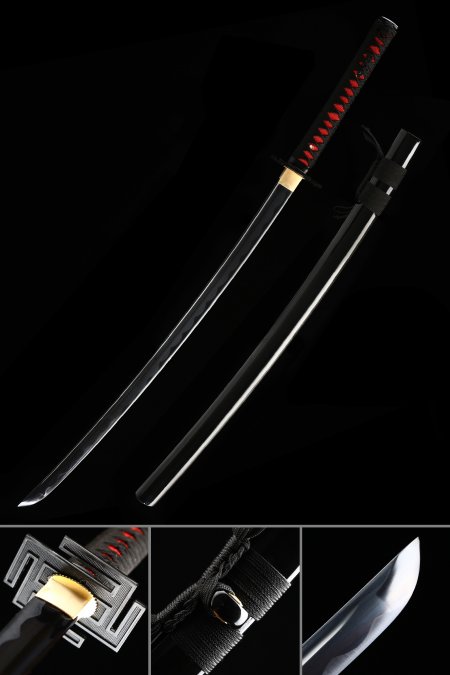
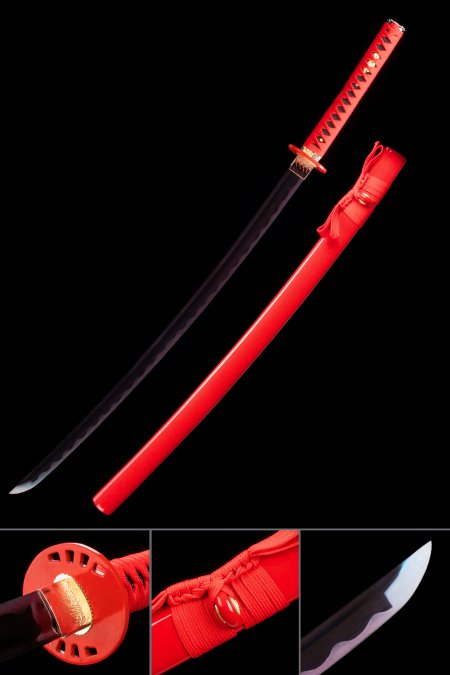
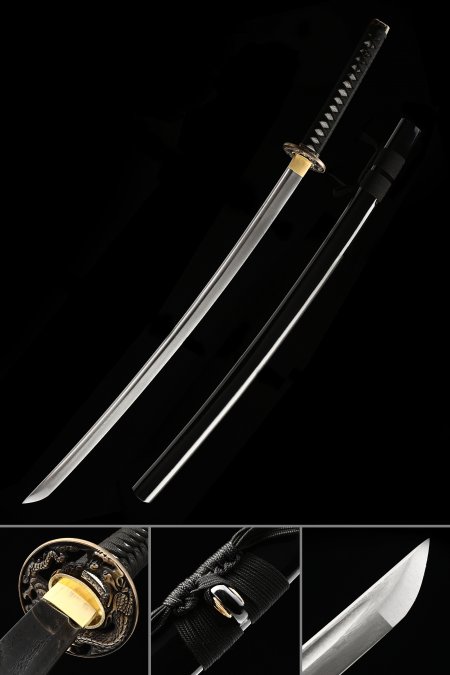
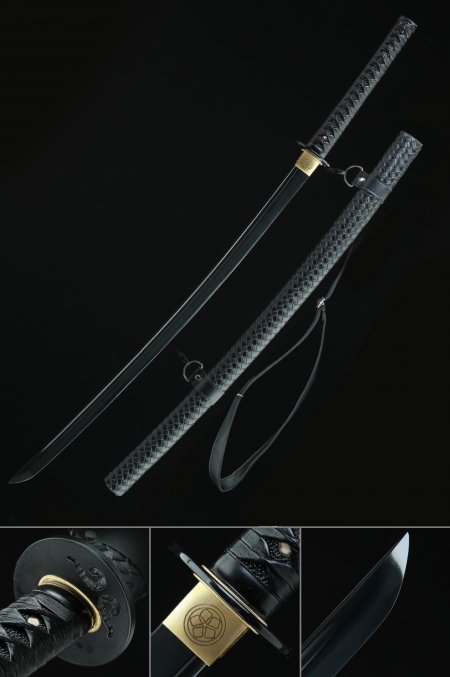
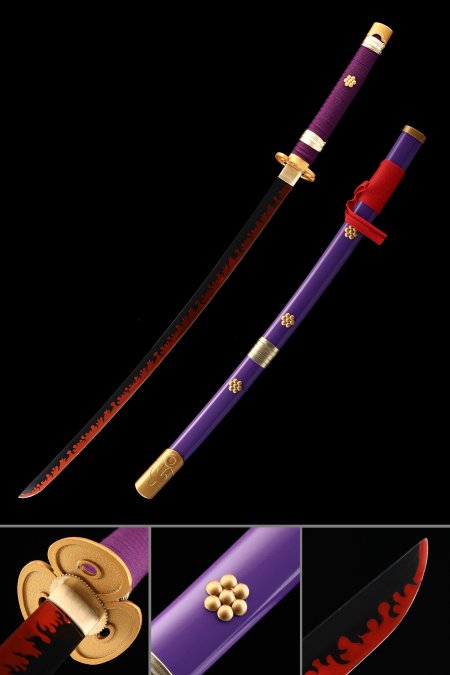
In classical Japanese sword culture, the sageo was never simply decorative — it was a coordinated element of the total koshirae, or sword mounting ensemble. The cord's color was chosen to harmonize with the ito handle wrap, the saya lacquer finish, and sometimes the metal fittings. During the Edo period, certain schools of swordsmanship also had specific conventions for how the sageo was worn and tied, making it a functional accessory as well as an aesthetic one. Orange, as a sageo color, creates a bold contrast against darker lacquered saya and pairs particularly well with gold-toned tsuba, making it a popular choice among collectors who value visual cohesion in their display pieces.