Free Shipping
169.00 USD
ON SALE! 20% OFF
Was: 209.00 USD

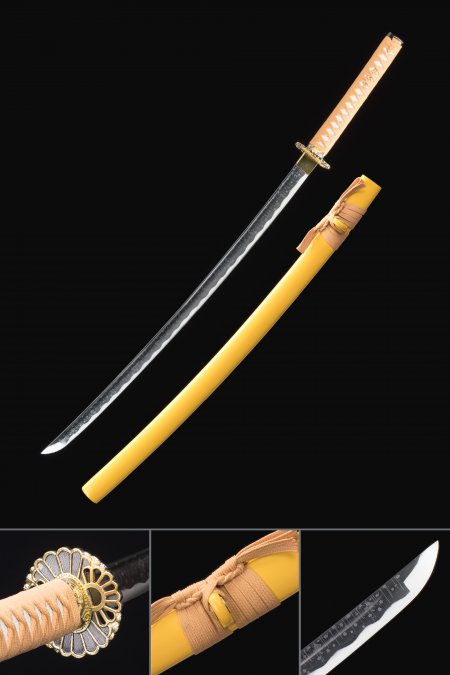
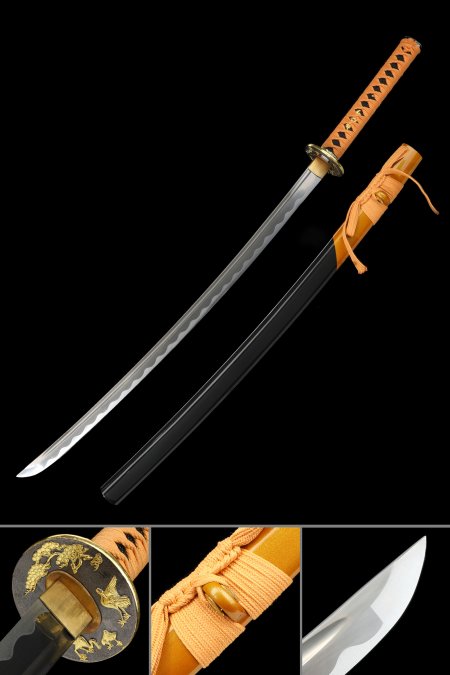
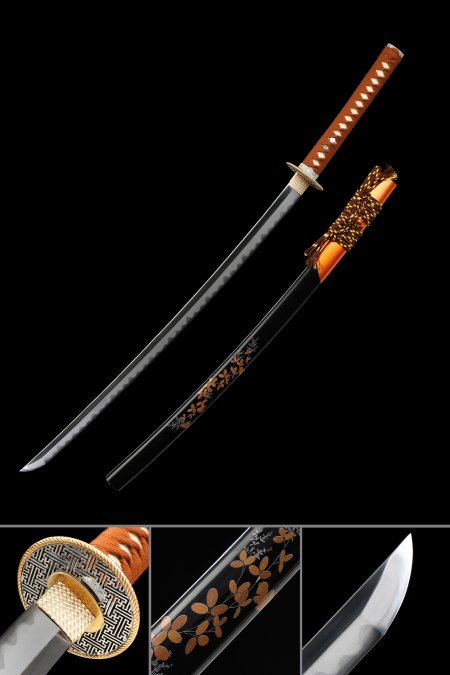
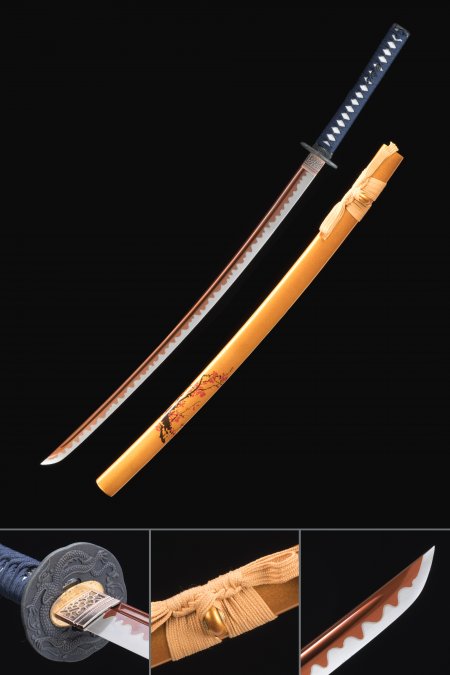
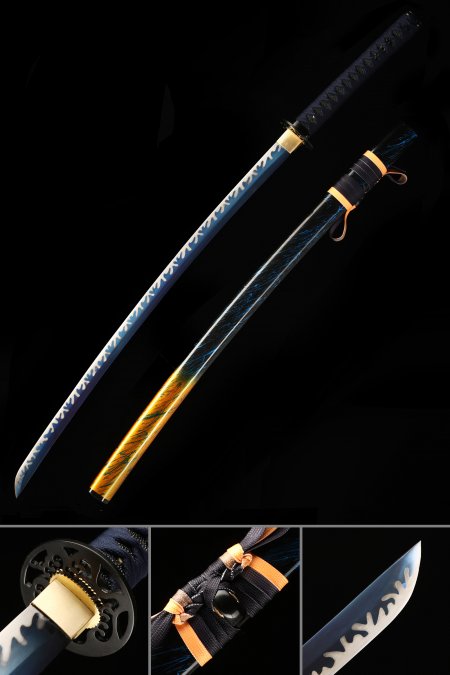
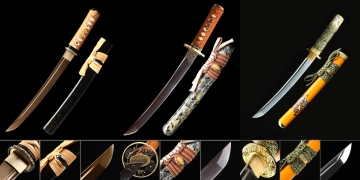
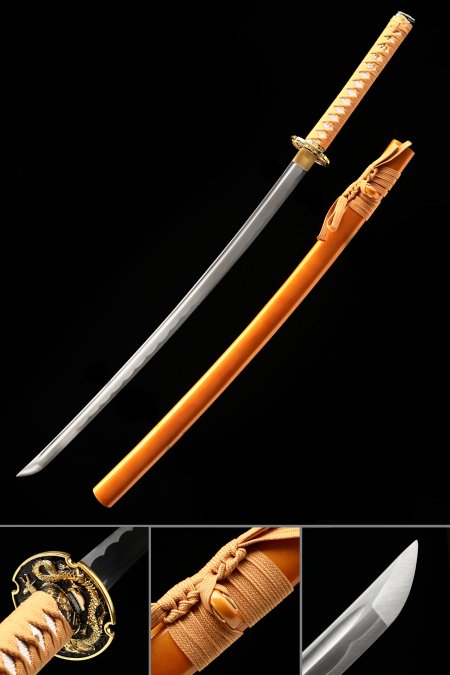
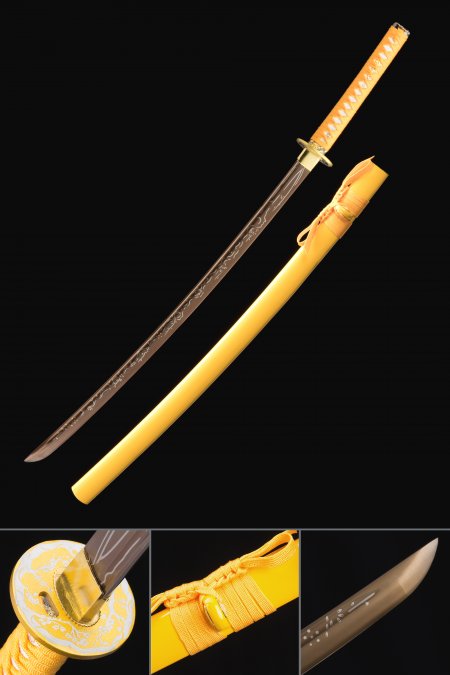
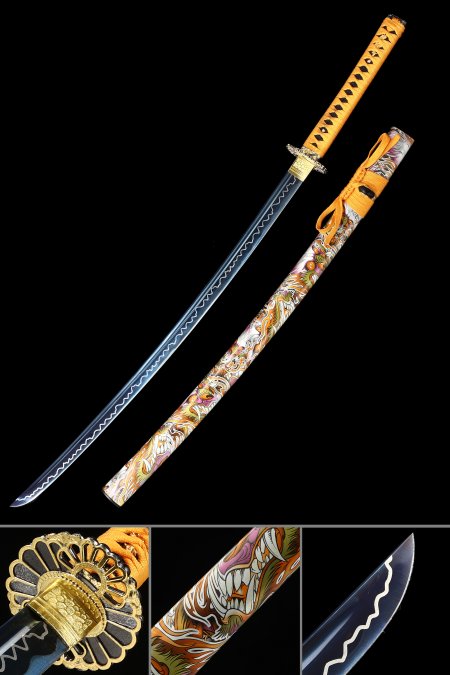
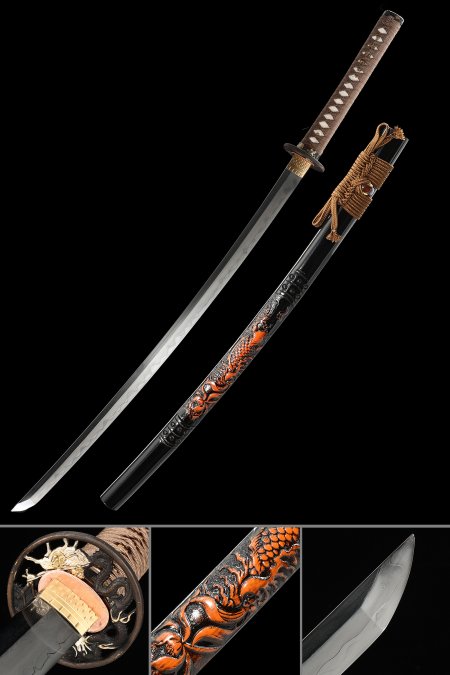
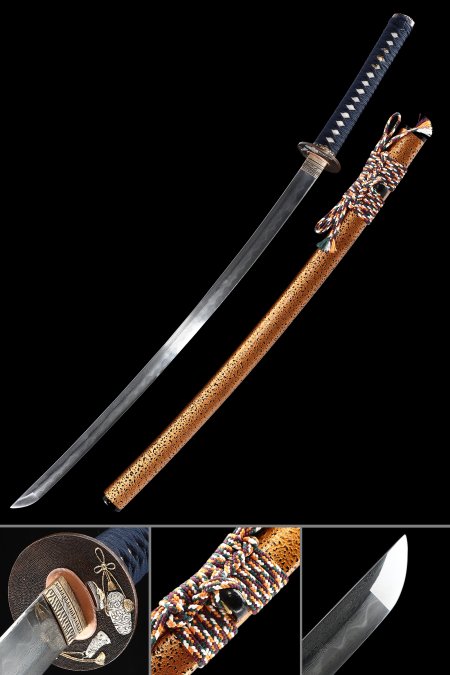
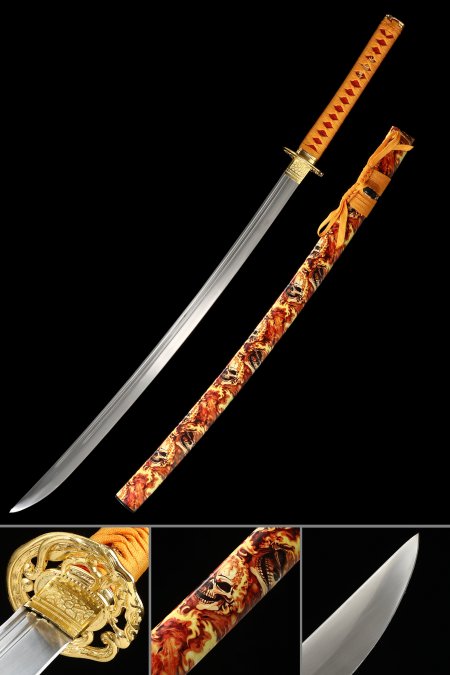
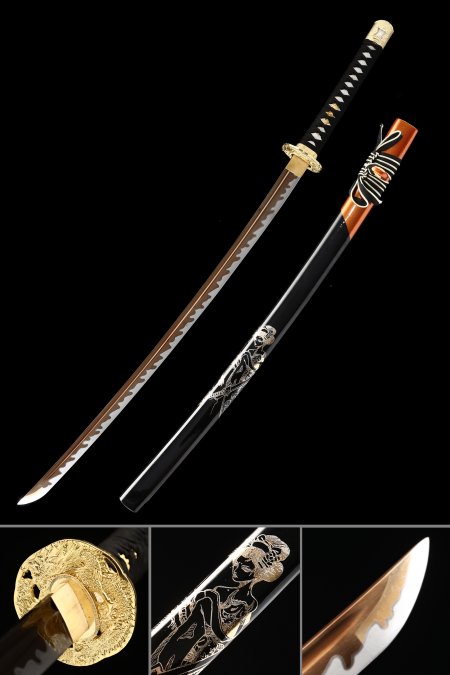
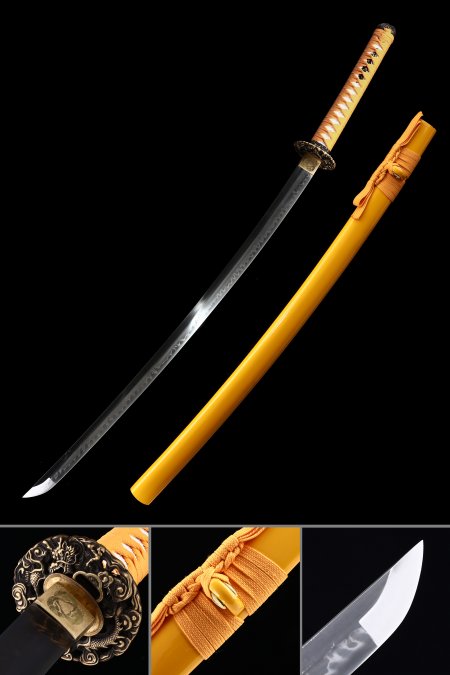
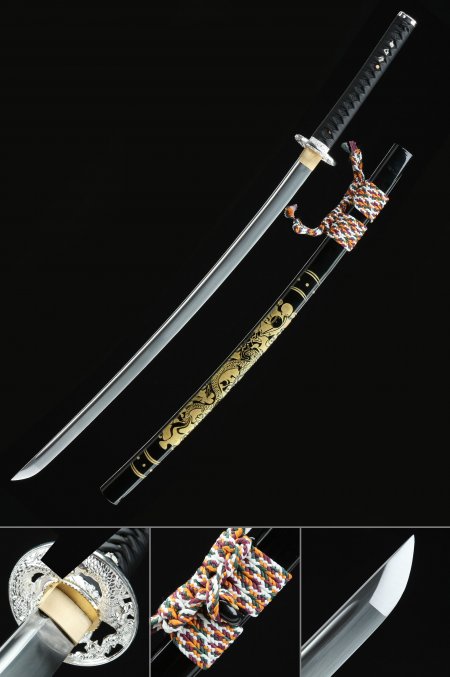
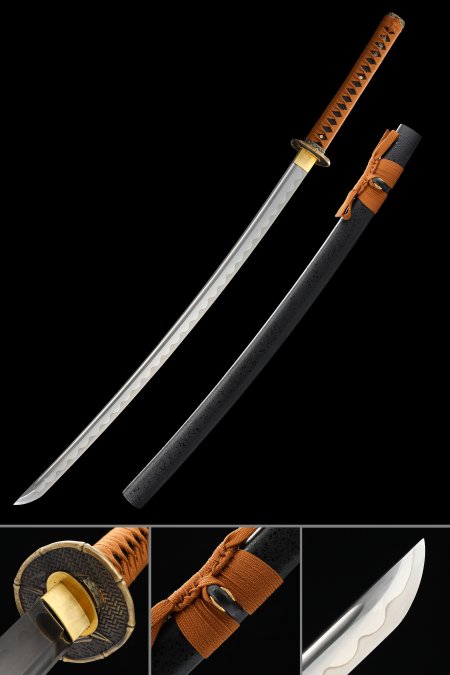
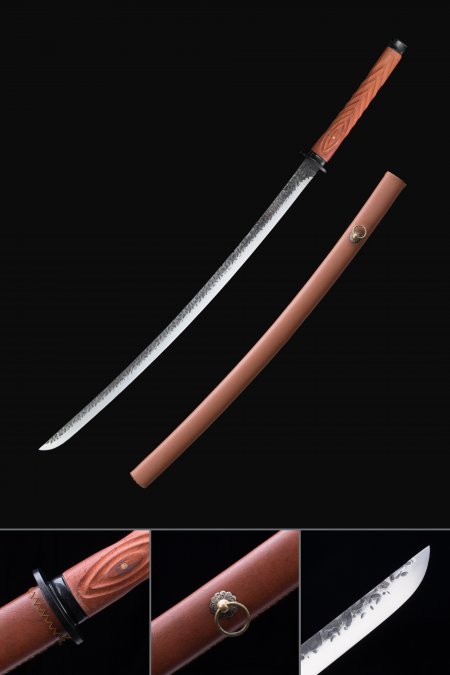
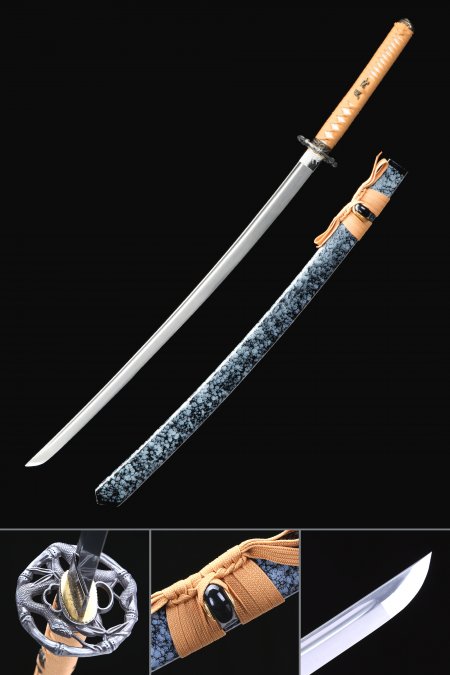
An orange sageo is more than an accent cord — it signals a collector's eye for intentional koshirae design. Every katana in this collection pairs that vivid silk or cotton sageo with hand-selected fittings: dragon tsuba, lacquered saya, and carbon or manganese steel blades finished to display-grade standards. These are purpose-built collectibles crafted for the enthusiast who appreciates both visual impact and authentic construction. Enjoy free standard shipping on your order, plus a straightforward return policy for peace of mind.
Got here very fast (within about 4-5 days). Looks awesome as a centerpiece on my wall. Has a very durable feel to it. Would purchase from here again in the future.
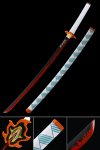 |
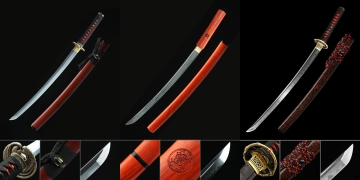
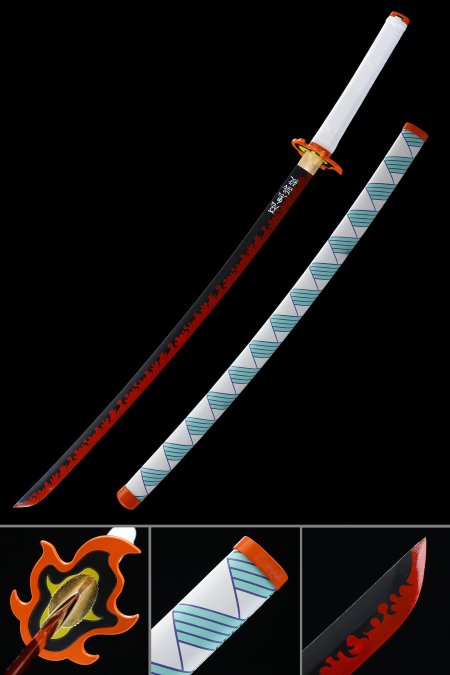
Rengoku Sword - Kimetsu No Yaiba Flame Hashira Nichirin Replica, 1045 Carbon Steel |
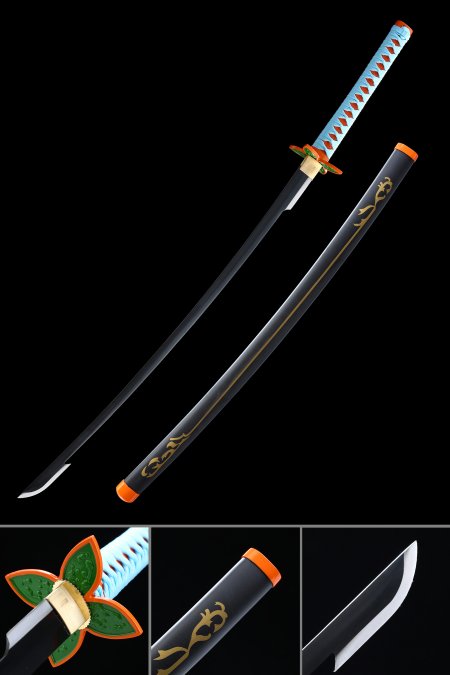
This was a very nice katana, exceeding my expectations based on the cost. It was my daughter's favorite Christmas gift and a great replica of the Shinobu katana from Demon Slayer
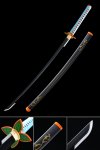 |
Shinobu Sword - Kimetsu No Yaiba Insect Hashira Nichirin Replica, 1045 Carbon Steel, Butterfly Tsuba |
Absolutely beautiful!! I ordered the Shinobu katana for my best friend’s wife as a Christmas gift and it exceeded all my expectations! Will definitely buy from here again!!
|
Shinobu Sword - Kimetsu No Yaiba Insect Hashira Nichirin Replica, 1045 Carbon Steel, Butterfly Tsuba |
Amazing craftsmanship, will buy again from you guys!
|
Rengoku Sword - Kimetsu No Yaiba Flame Hashira Nichirin Replica, 1045 Carbon Steel |
I just got my Rengoku katana and honestly, I love it! It looks amazing — the colors and design are spot-on, and it feels awesome in my hands. I saw some people say their saya (scabbard) was a bit loose, but mine fits perfectly and holds the blade nice and snug.r
It took 27 days to arrive, but I didn’t mind the wait at all. The customer support was amazing ❤️ — super kind and really fast to reply. Every time I messaged them, they answered within just a few hours and kept me updated about my order.r
The paint is a little delicate, so just handle it with care, and there are a few tiny paint imperfections if you look really closely, but nothing major at all. Overall, it’s almost perfect — it looks spectacular, feels great, and I seriously can’t wait to hang it on my wall. It really makes you feel like the flame hashira himself🔥🔥🔥🔥🔥r
I recommend it with my whole heart — it truly makes me want to set my heart ablaze 🔥
|
Rengoku Sword - Kimetsu No Yaiba Flame Hashira Nichirin Replica, 1045 Carbon Steel |
Just got my demon slayer katana and it was just like the picture love planing one buying a other one soon.
|
Rengoku Sword - Kimetsu No Yaiba Flame Hashira Nichirin Replica, 1045 Carbon Steel |
It looks great thank you very much for you hard work on making it
|
Rengoku Sword - Kimetsu No Yaiba Flame Hashira Nichirin Replica, 1045 Carbon Steel |
Sword was a gift and she loves it. It arrived on time with no issues. Will definitely buy from again!
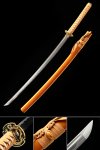 |
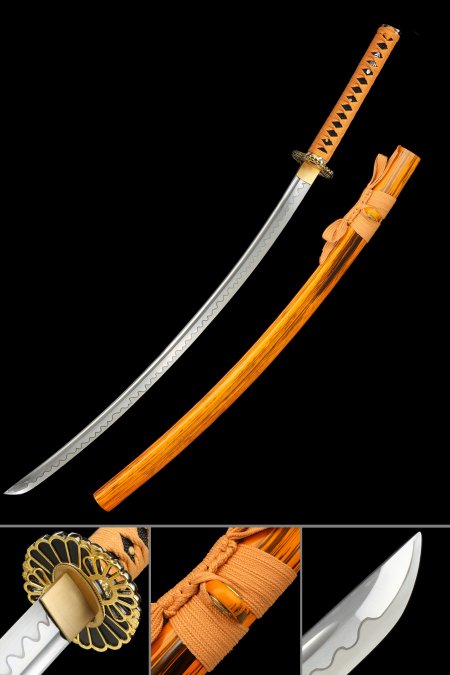
1045 Carbon Steel Japanese Sword with Orange Piano Lacquer Saya and Gold Dragon Tsuba |