What makes black and white saya finishes special in katana collecting?
Updated Mar 2026
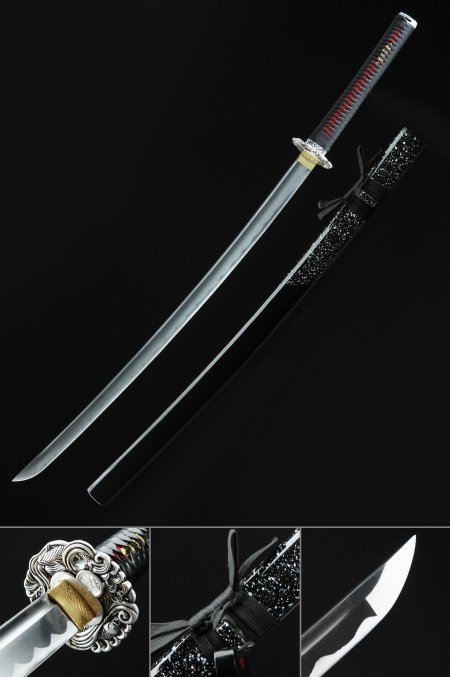
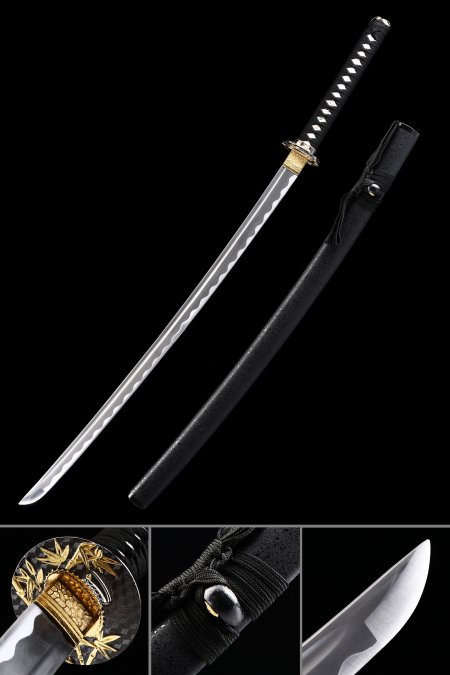
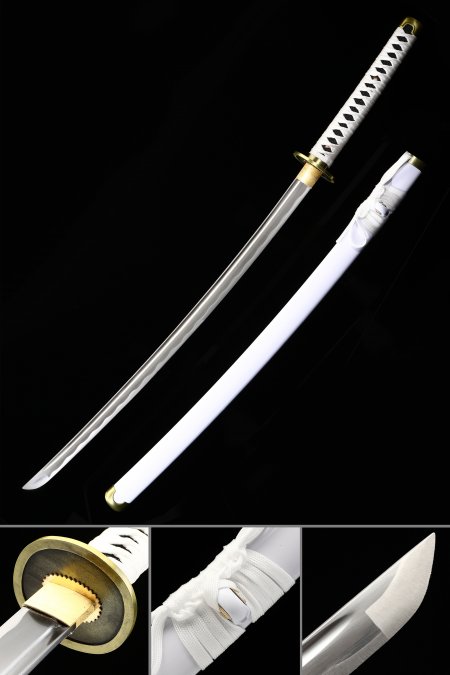
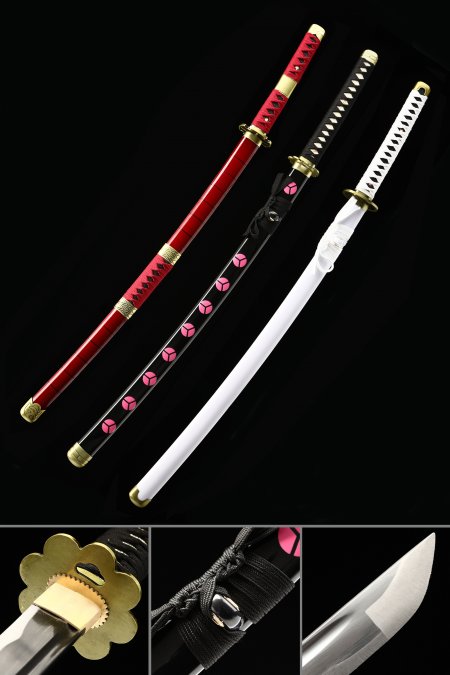
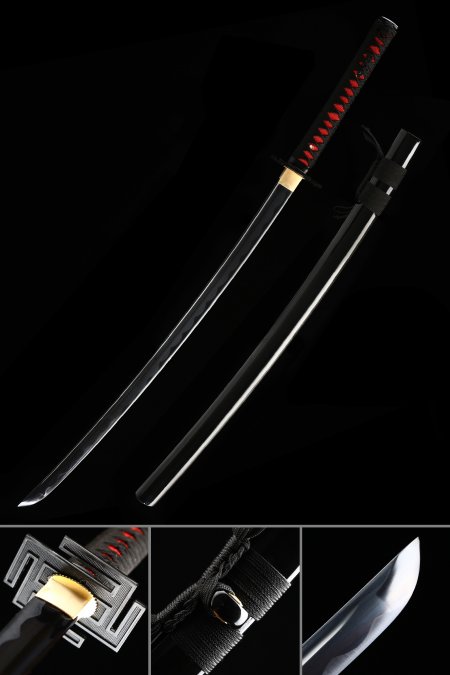
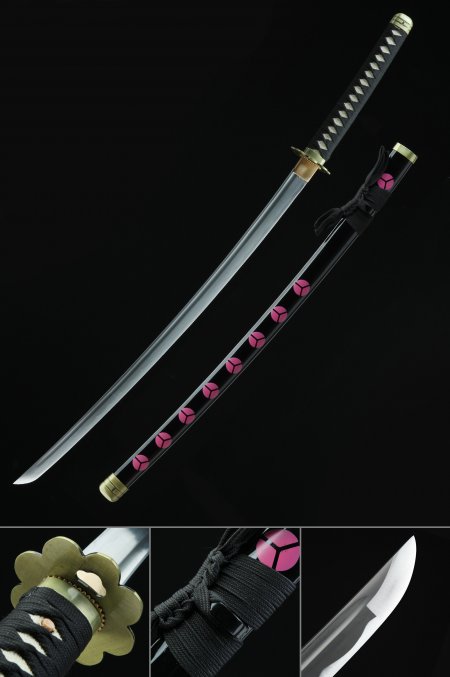
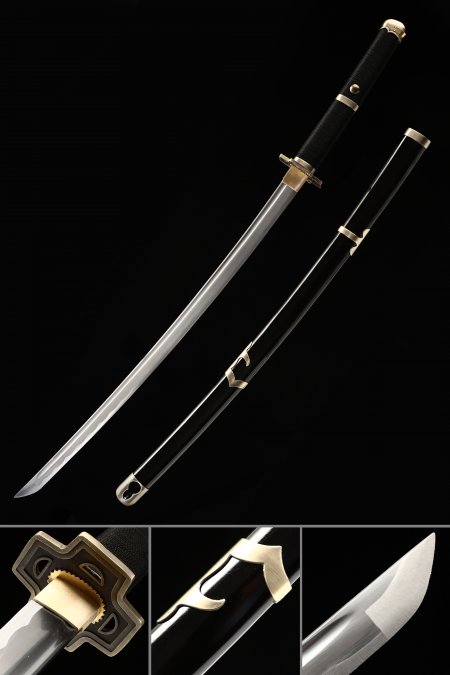
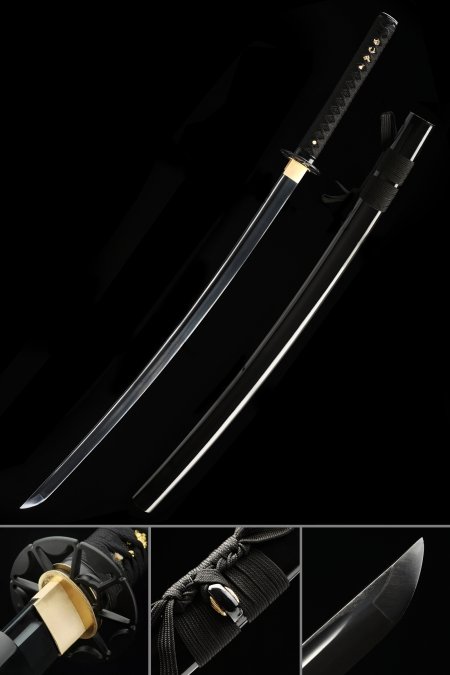
Monochrome saya aesthetics draw from a long tradition in Japanese lacquerwork where restraint and contrast were considered marks of sophistication. Black lacquer - known as roiro-nuri - was historically favored by samurai who valued understated elegance over ornate decoration. In contemporary collecting, black-and-white combinations allow the saya's surface texture to do the visual work: crackle patterns, marble swirls, and striped finishes all read with far more clarity against a high-contrast palette than they would in polychromatic designs. For display collectors, this also means the piece remains visually coherent under different lighting conditions and pairs naturally with a wide range of interior settings.